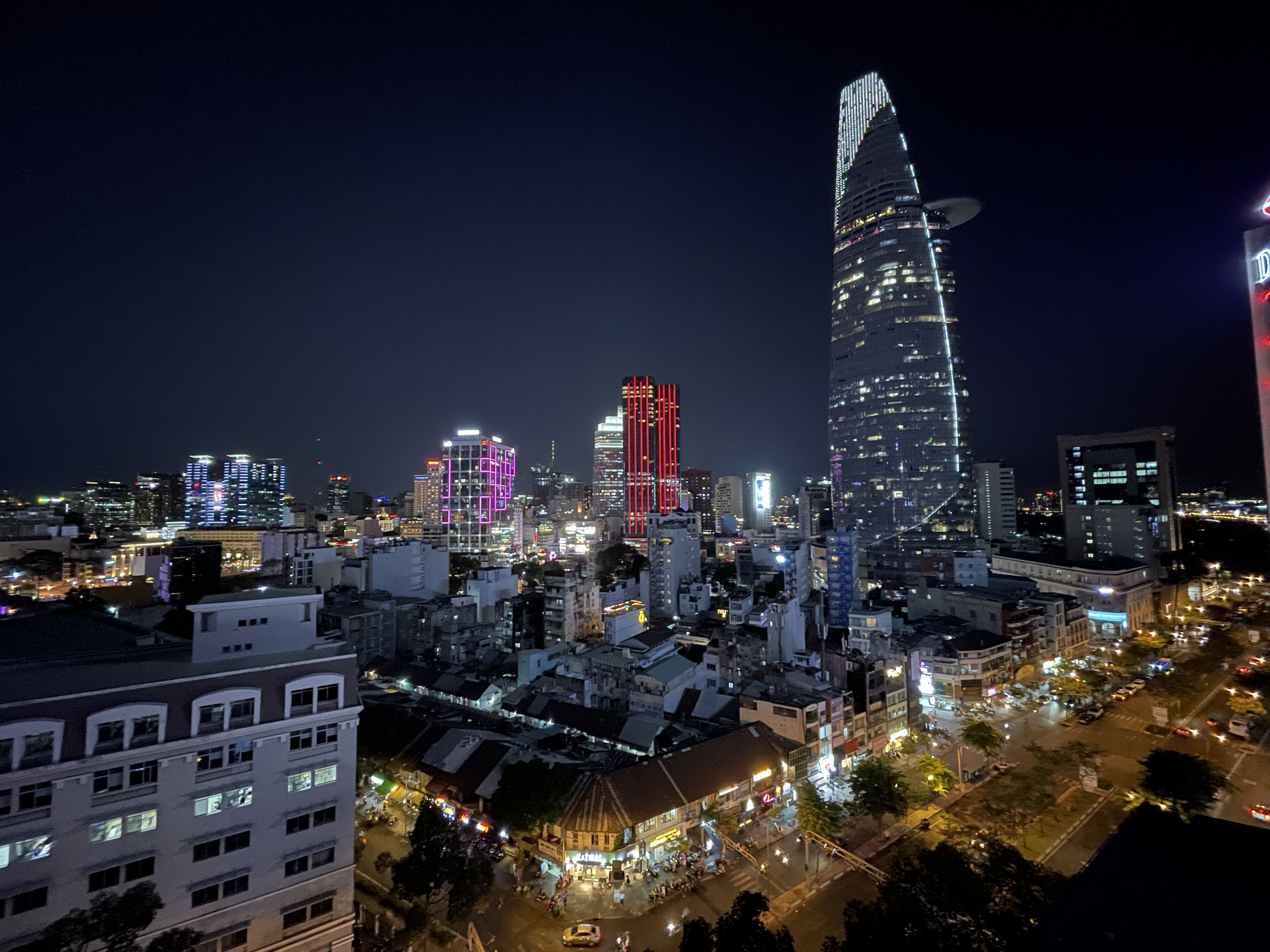
Saigon...Ho Chi Minh City...Saigon...Ho Chi Minh City...
Saigon vs. Ho Chi Minh City…what is the right name? Officially, Ho Chi Minh City but locals, the Saigonese, have never accepted the name honouring the country’s first president. Most continue to refer to their city as Saigon. When Ho Chi Minh declared himself president after defeating the French colonial rule, he wanted to unite the country north to south. While the south shared that desire, they did not believe in Ho Chi Minh’s communist regime. They preferred to align with western ideals. The US feared that if Vietnam fell to communism, it would have a domino effect across Asia and that would not do. So in they jumped (along with other western allies), supporting the South Vietnamese, while the Russians and Chinese banded together with the communist north. Twenty years of fighting against the communist north did not leave the southerners much inclined to accept a name change of their beloved capital. Given all the history, it’s not surprising that there’s a bit of tension between the north and the south just below the surface and it extends from religion to history to language. In spite of all this, the people of the south are every bit as smiling, friendly and peaceful as those in the north – even when they’re stuck in rush hour traffic!
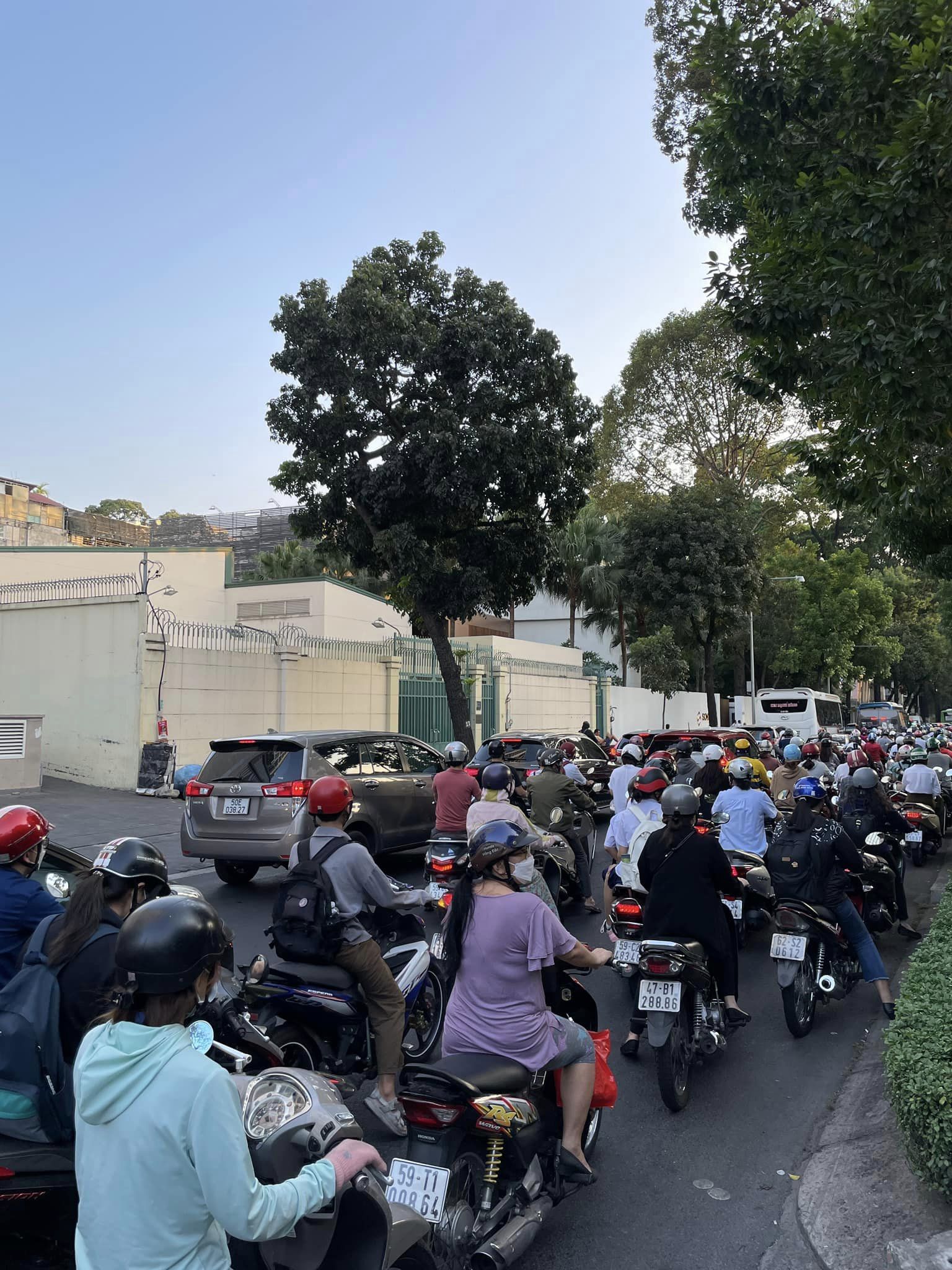
Hanoi traffic was just a warm up for Saigon. Bigger city and more vehicles but here they seem to obey traffic lights and which side of the road you’re supposed to be on, and scooters typically stay in the right lane (unless there’s a turn involved). The rule following only goes so far…when there’s too much traffic, the scooters jump onto the sidewalk and avoid it!
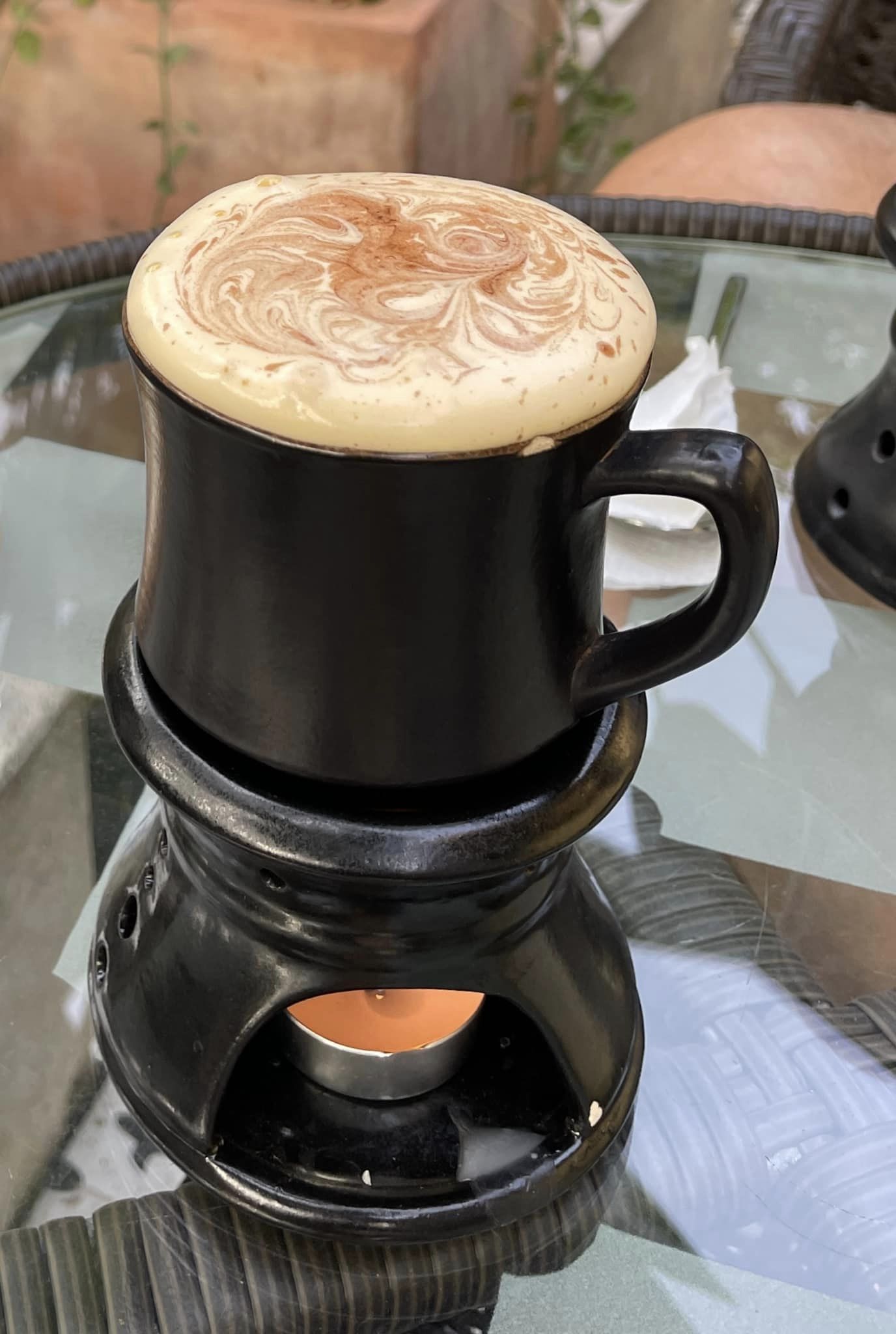
Egg coffee has been fancied up here!
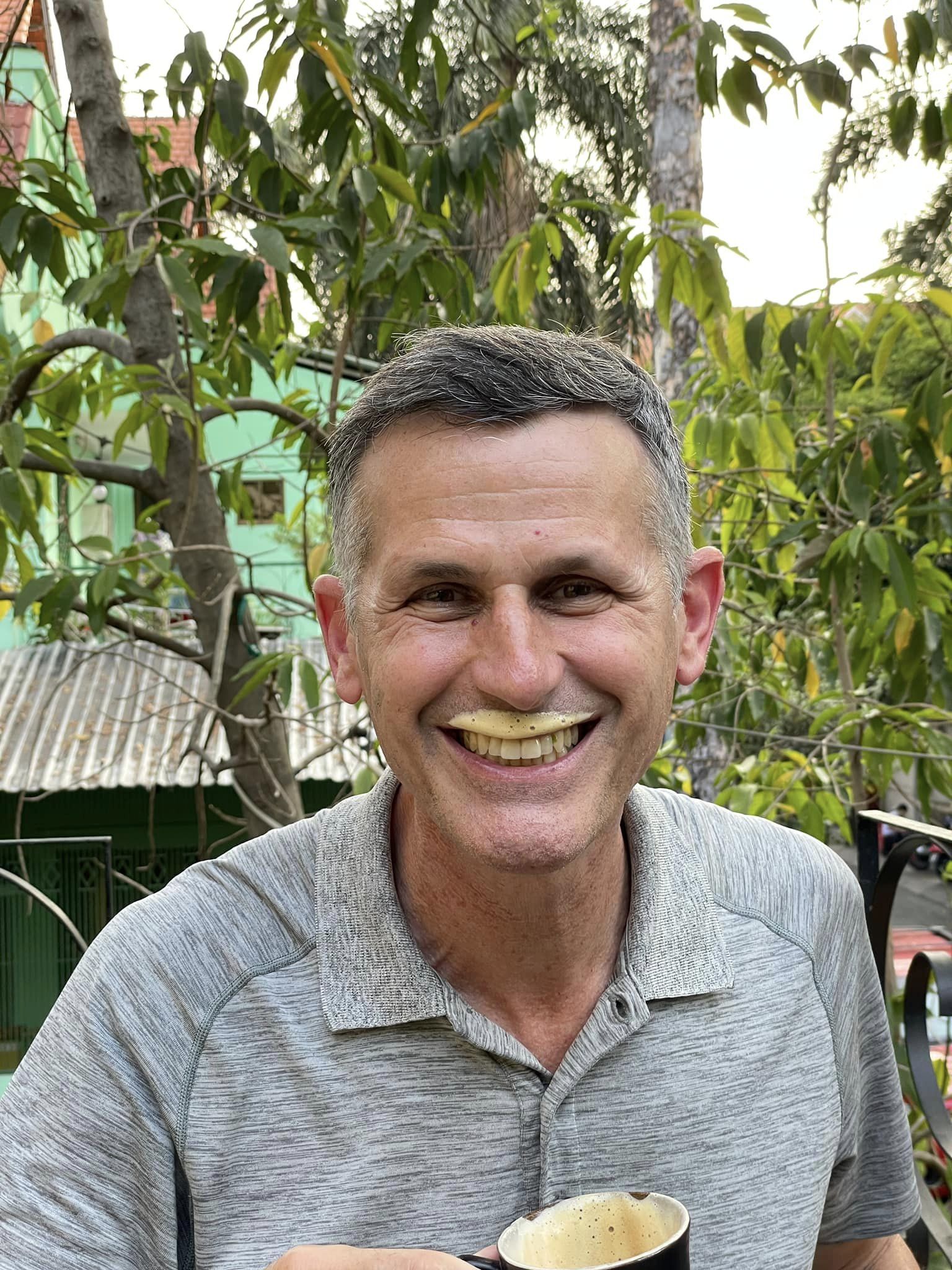
…speaking of fancy…
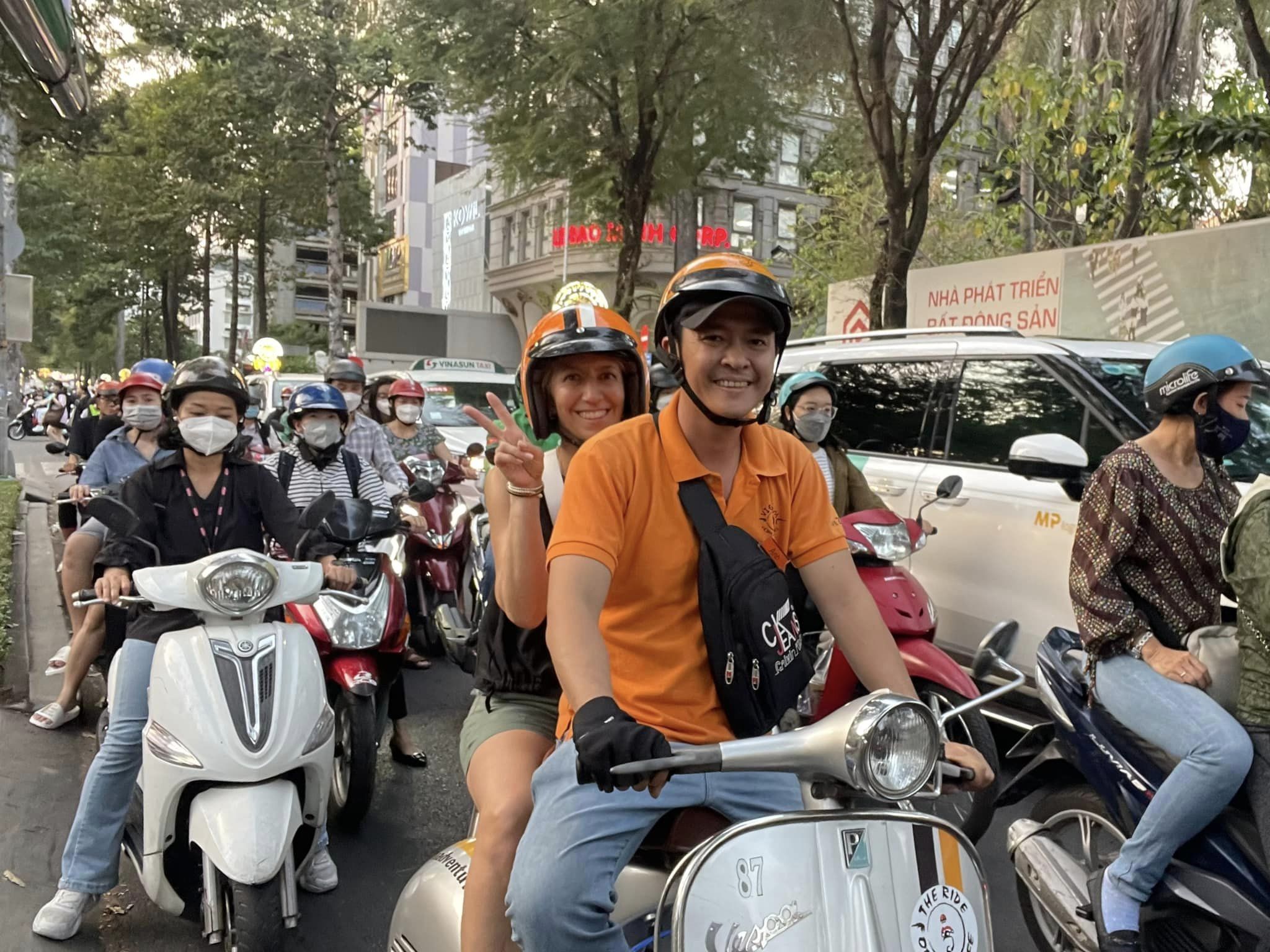
Our first night we did a Vespa food tour. Here’s Ahn and me obeying traffic rules.
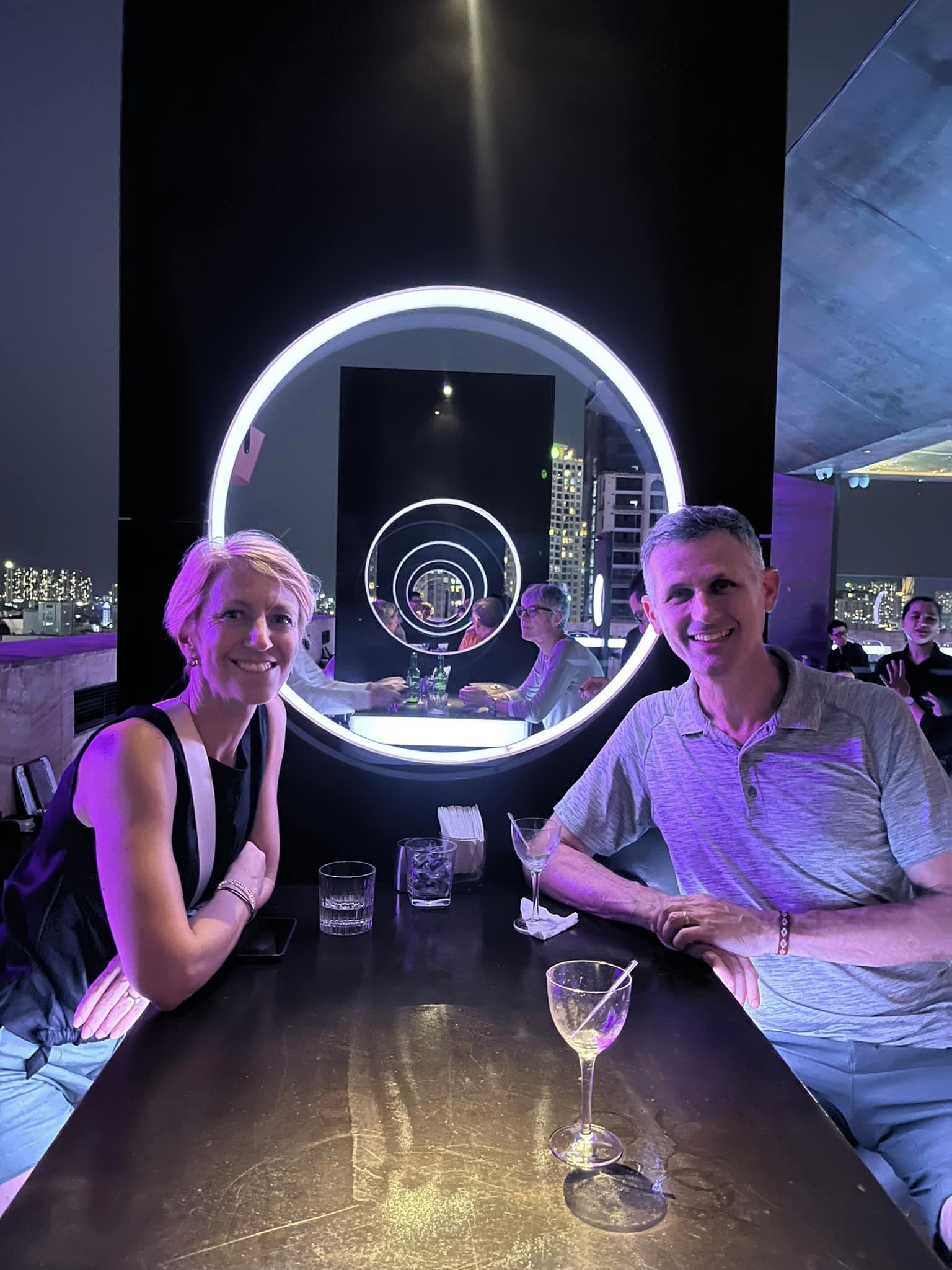
We started at Zion bar. A great view of the city and a yummy lychee martini.
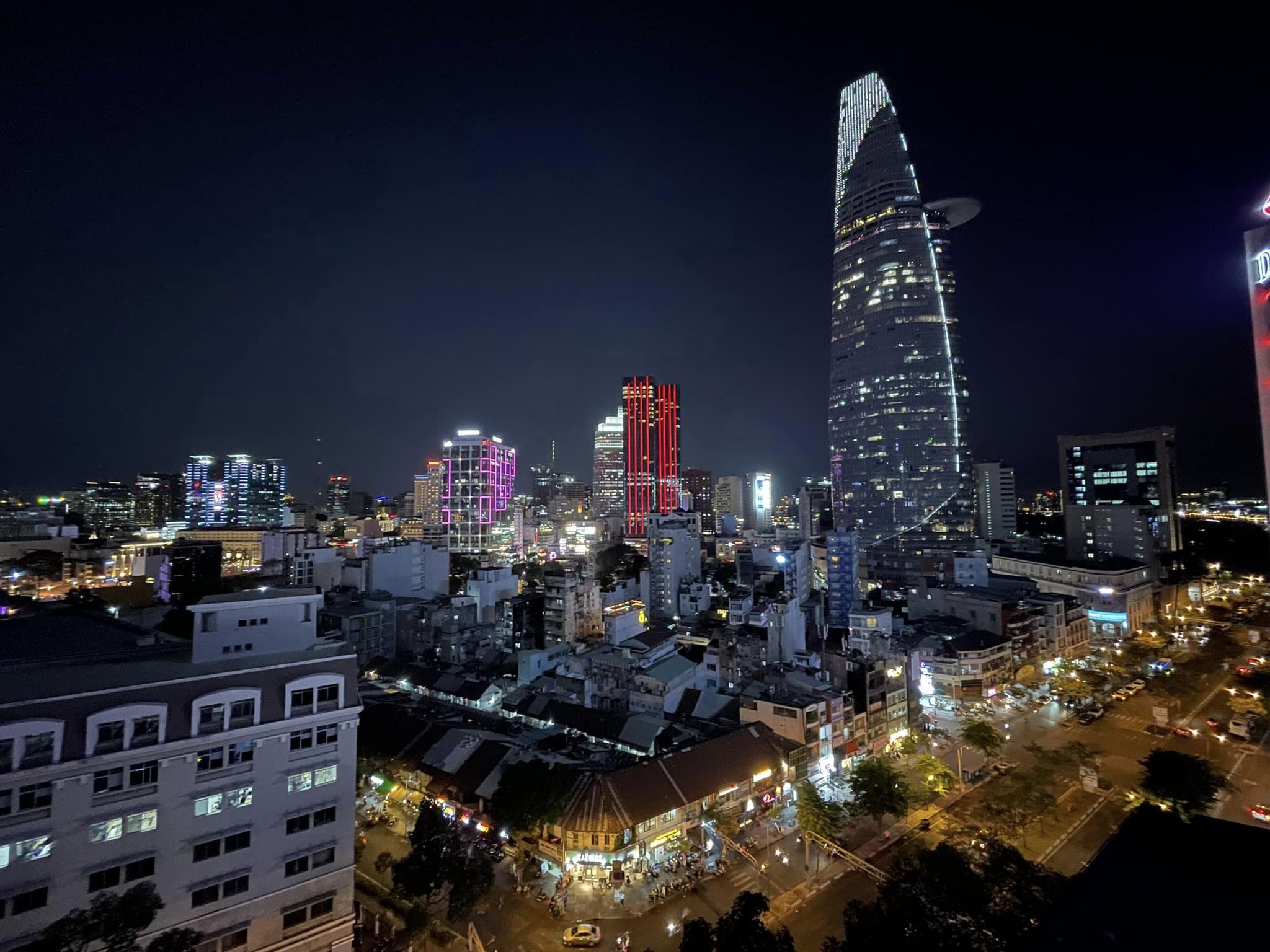
Saigon at night.
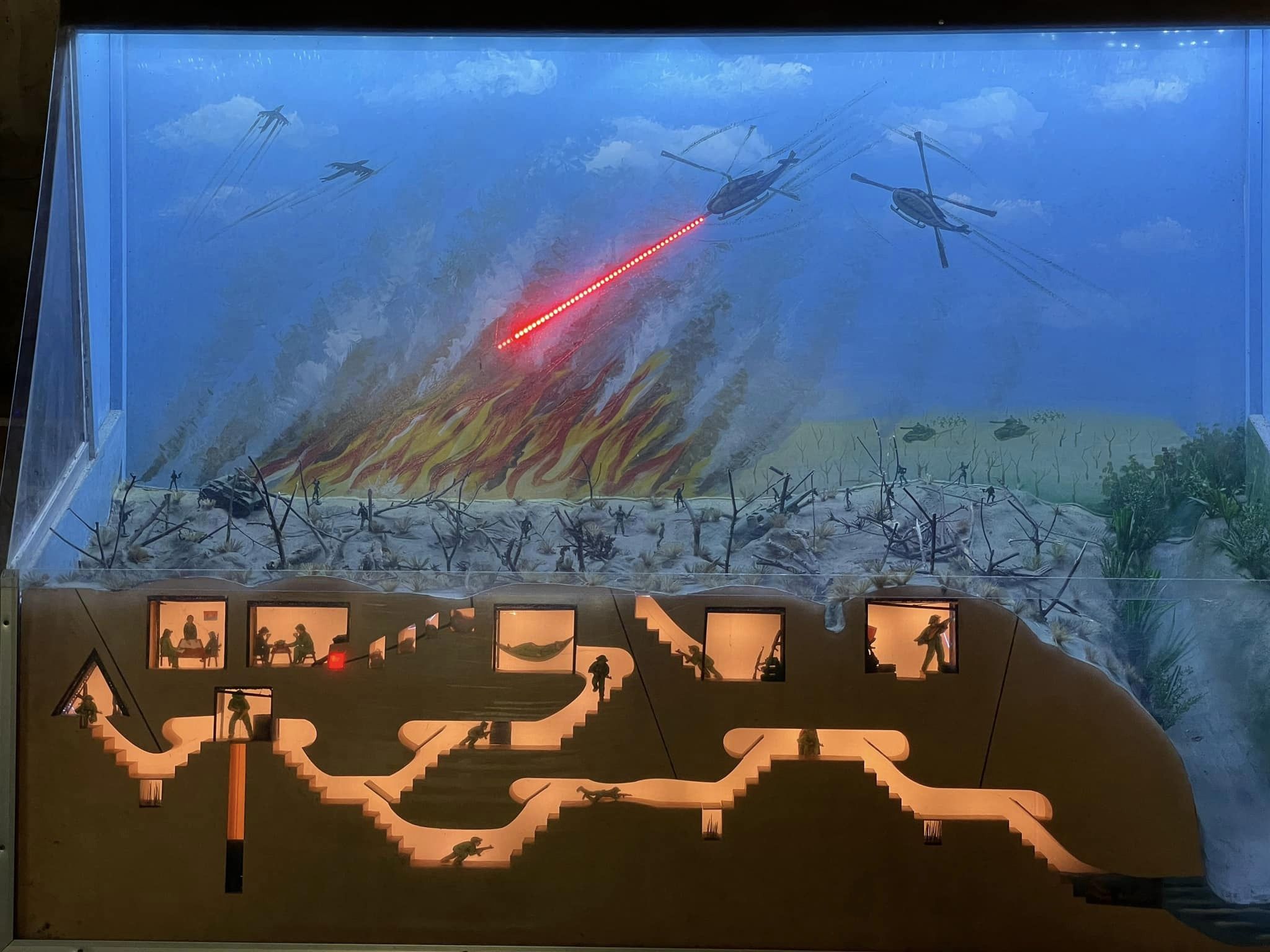
The Cu Chi tunnels run 12 metres deep for 250 km. Dug during the war with the French, they were greatly expanded in the 60’s and there could have been as many as 7,000 people in there at any given time. They would stay inside during the day and come out at night when the enemy wasn’t around. There were sleeping areas, classrooms, meeting rooms, storage rooms and kitchens with vents that would take the cooking smoke far away from the entrance to avoid detection. There were even booby traps in case the enemy found their way in.
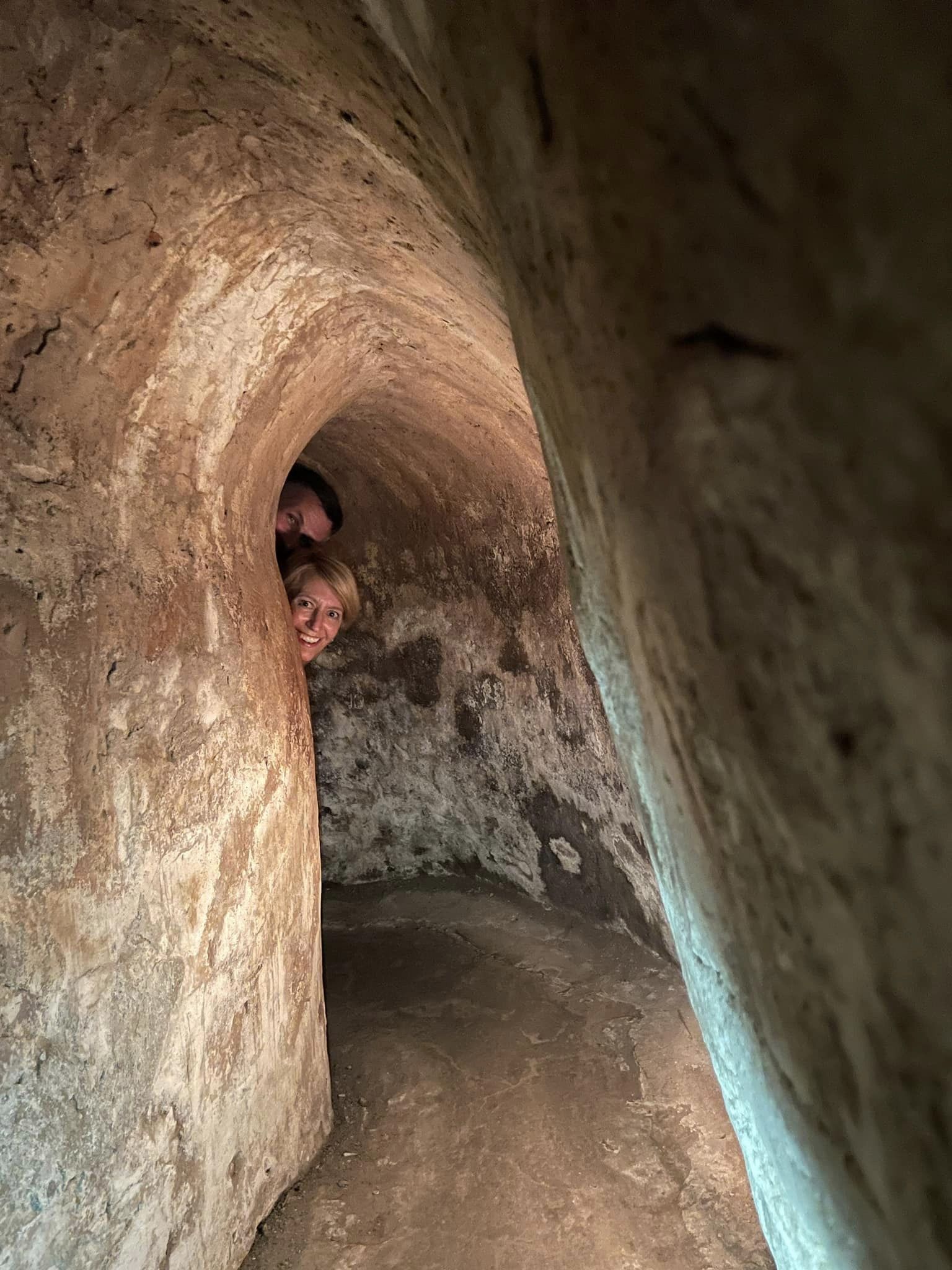
Peeking around the corner. Imagine trying to navigate in here in the pitch dark! Imagine 20 years of living in these tunnels during the war; children were born and grew into soldiers without knowing the outside world.
Where is the tunnel entrance?
One of many ingenious booby traps created by the Vietnamese. The early version of this (and the others) used bamboo for the spikes. Soon, they started collecting spent bomb casings and fashioned them into metal spikes.
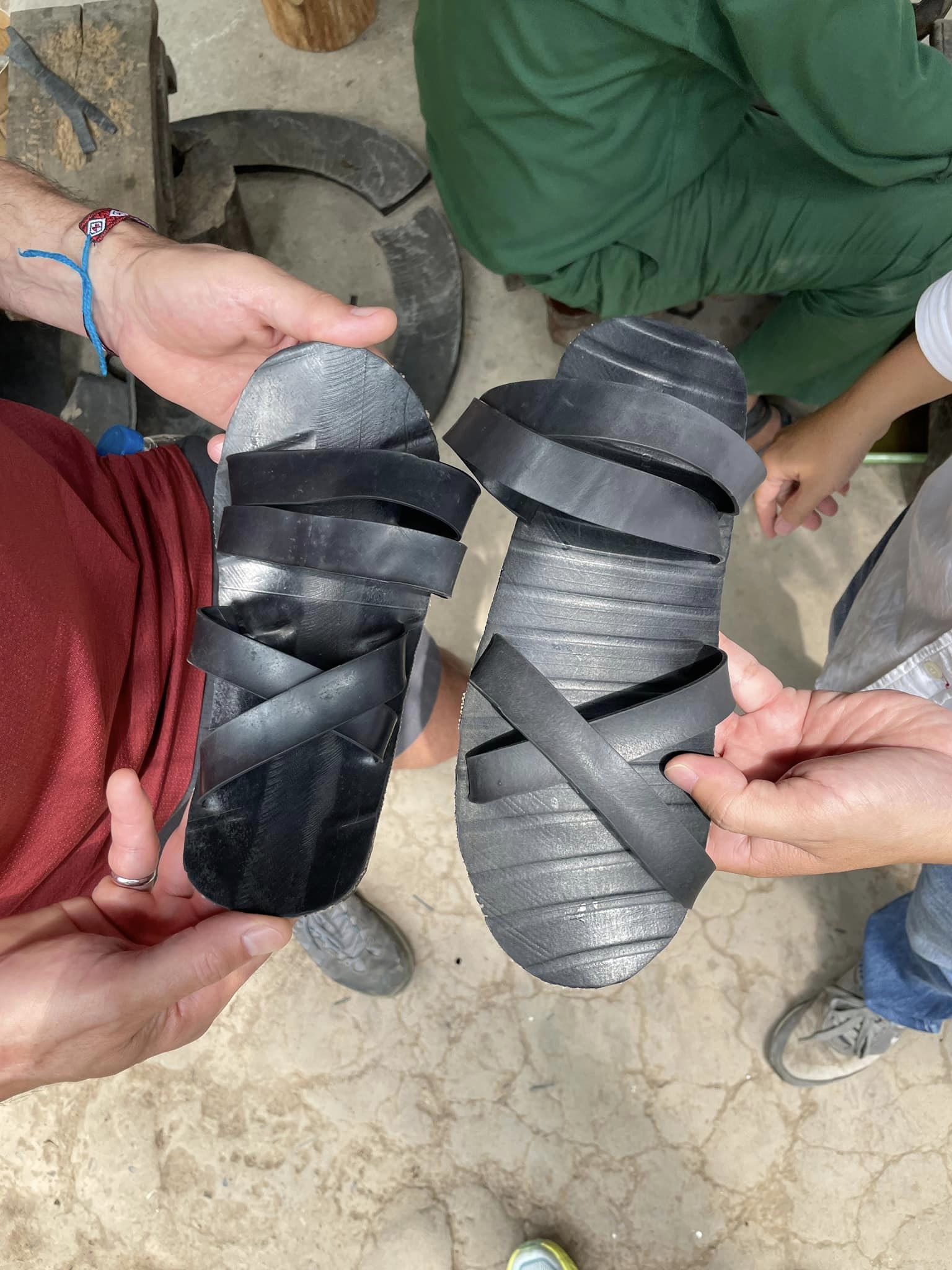
Rubber sandals made from old tires. Notice anything different about these two? With the shoe on the right, you slip your foot in between the two horizontal straps with the crossover straps ending up close to your toes. The one on the left? Same thing, except the sole of the shoe is facing backwards so your footsteps in the dirt end up looking like you’re heading away from where you’re actually going!
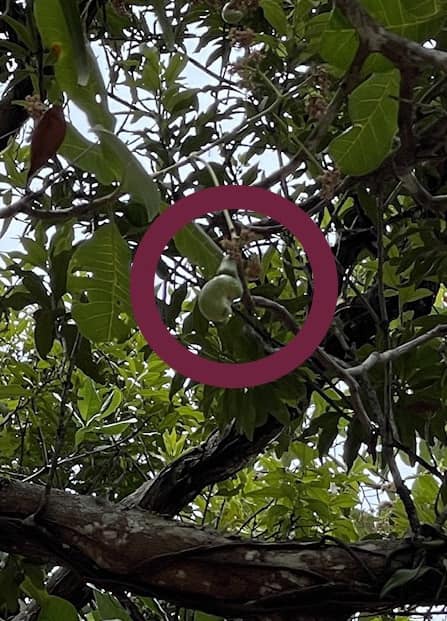
Vietnam is the world’s largest cashew exporter holding 25% of the global cashews market. A mature tree can yield 600 nuts. It takes three years after planting to produce nuts and another eight years before economic harvest can begin. This is an immature nut. A yellow or red fruit (which is edible) still needs to develop above this nut.
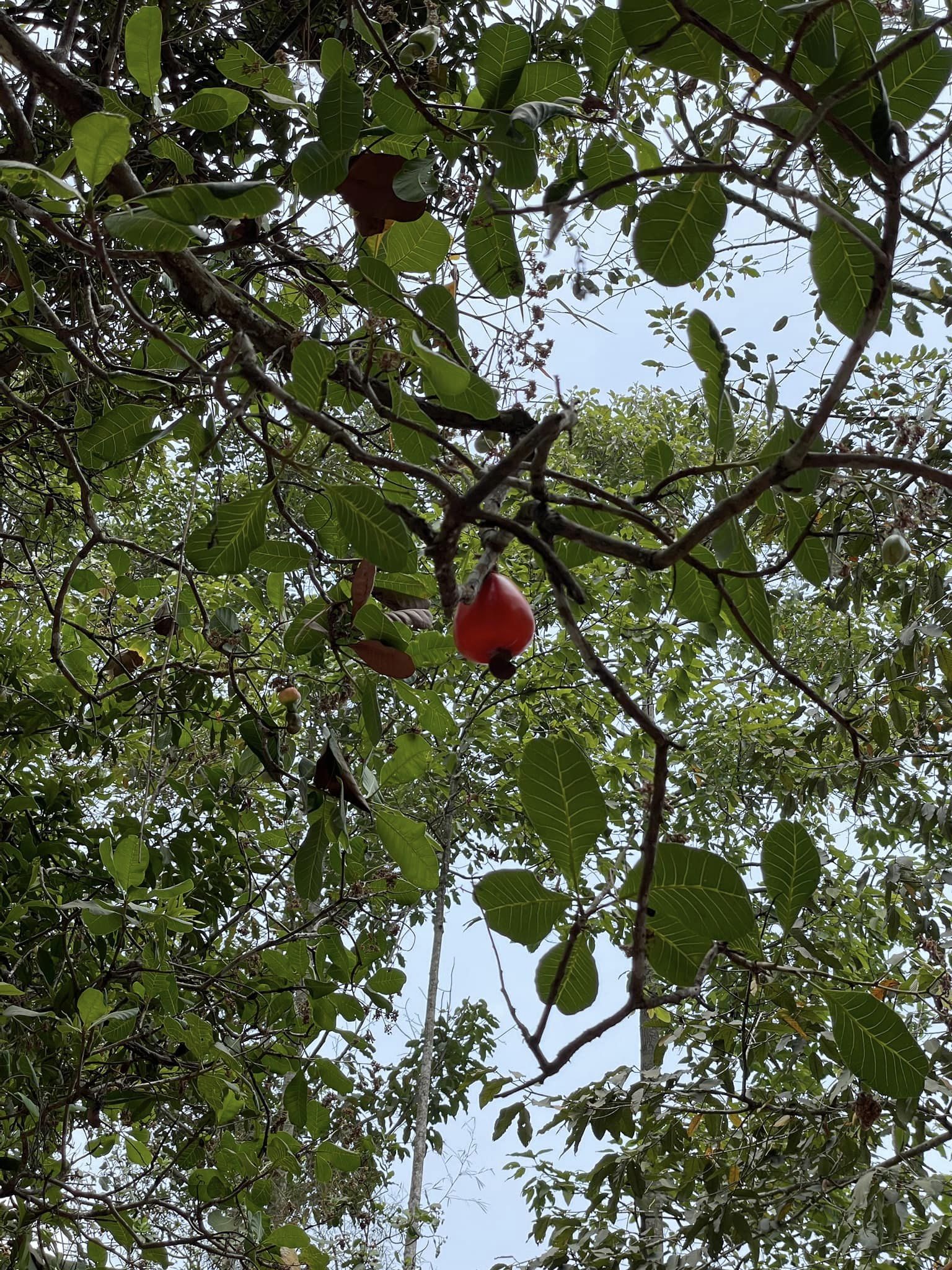
Here is a ready-to-pick cashew. You know it’s ready when the nut skin turns black.
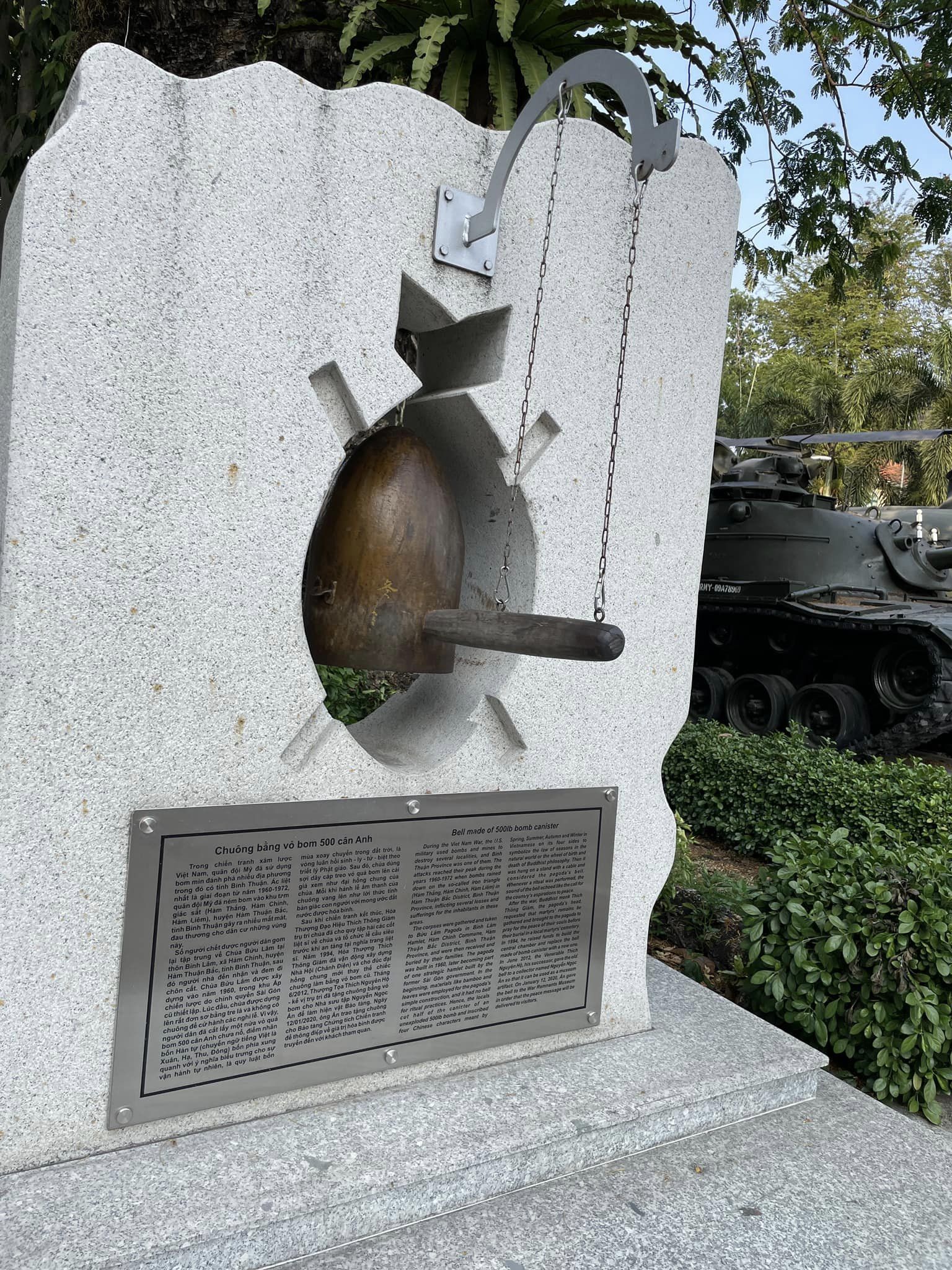
The war museum is a very difficult place to visit but is a necessary stop on your itinerary. This place is on par with the Holocaust Museum, the 911 Museum, the Hiroshima Peace Memorial Museum and all the Berlin Memorials. I do hope such a museum exists in the US. With its fear of communism, America wreaked havoc on a poor country that didn’t do anything wrong. Two thirds of the three million Vietnamese killed in the war were civilians. After the war. Another 100,000 were killed or injured by unexplored bombs and land mines between 1975 and 2002. The devastation inflicted on the Vietnamese people was not just from bombs and guns; starting in 1961 and for a period of ten years, the US conducted just under 2,000 missions spraying 80 million litres of toxic chemicals (61% of which was Agent Orange) over 26,000 villages (25% of the area of South Vietnam). Nearly five million Vietnamese were exposed to Agent Orange which claimed three million victims at the time. This chemical had devastating and lethal effects on all parts of the human body and caused genetic and chromosome mutations resulting in birth defects and reproductive issues…a domino effect Eisenhower could never have dreamed of. Victims of Agent Orange continue to be claimed four generations since Agent Orange was sprayed over South Vietnam, totalling at least 187,000 but that is probably an underestimate. Nobody knows if there will be more in the next generation…