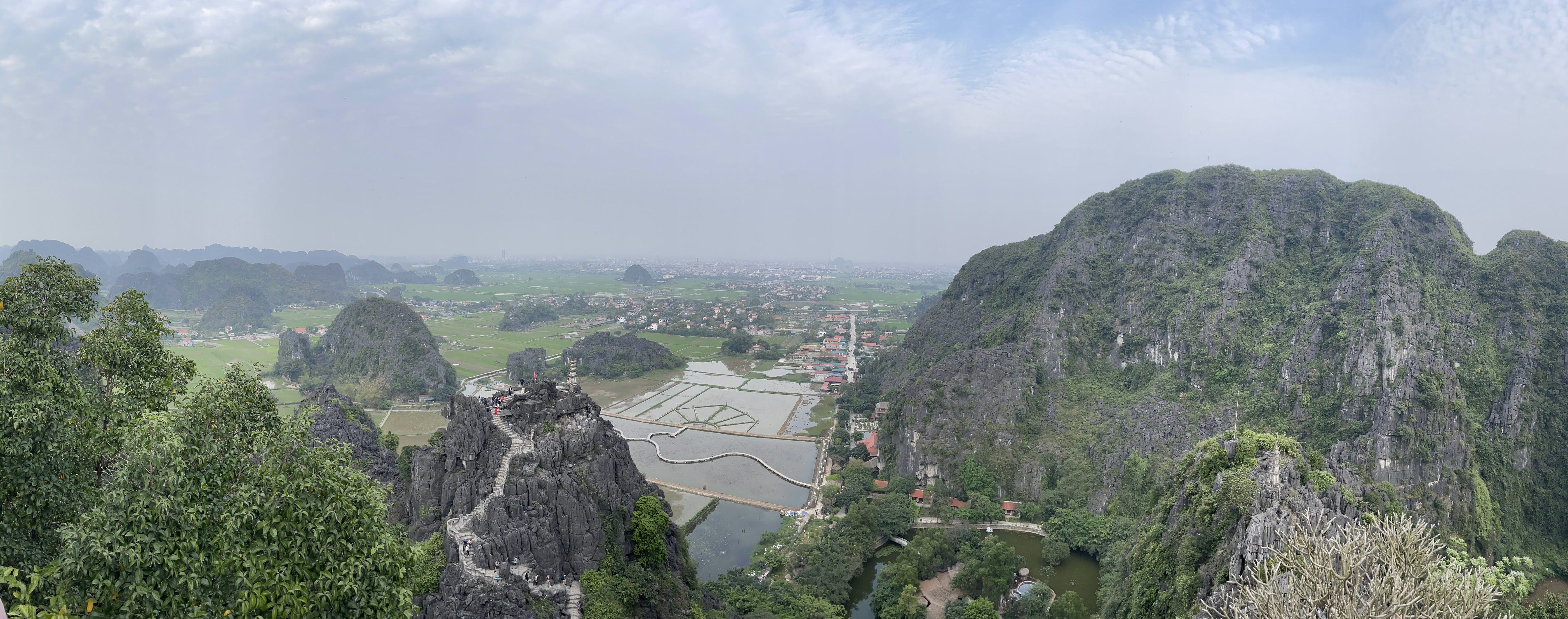
Natural Ninh Bình
Ninh Binh has an amazing historical legacy as the first capital of independent Vietnam and an incredible natural landscape unlike any other I’ve seen. Jungle, caves, rivers and mountains. Stunning!
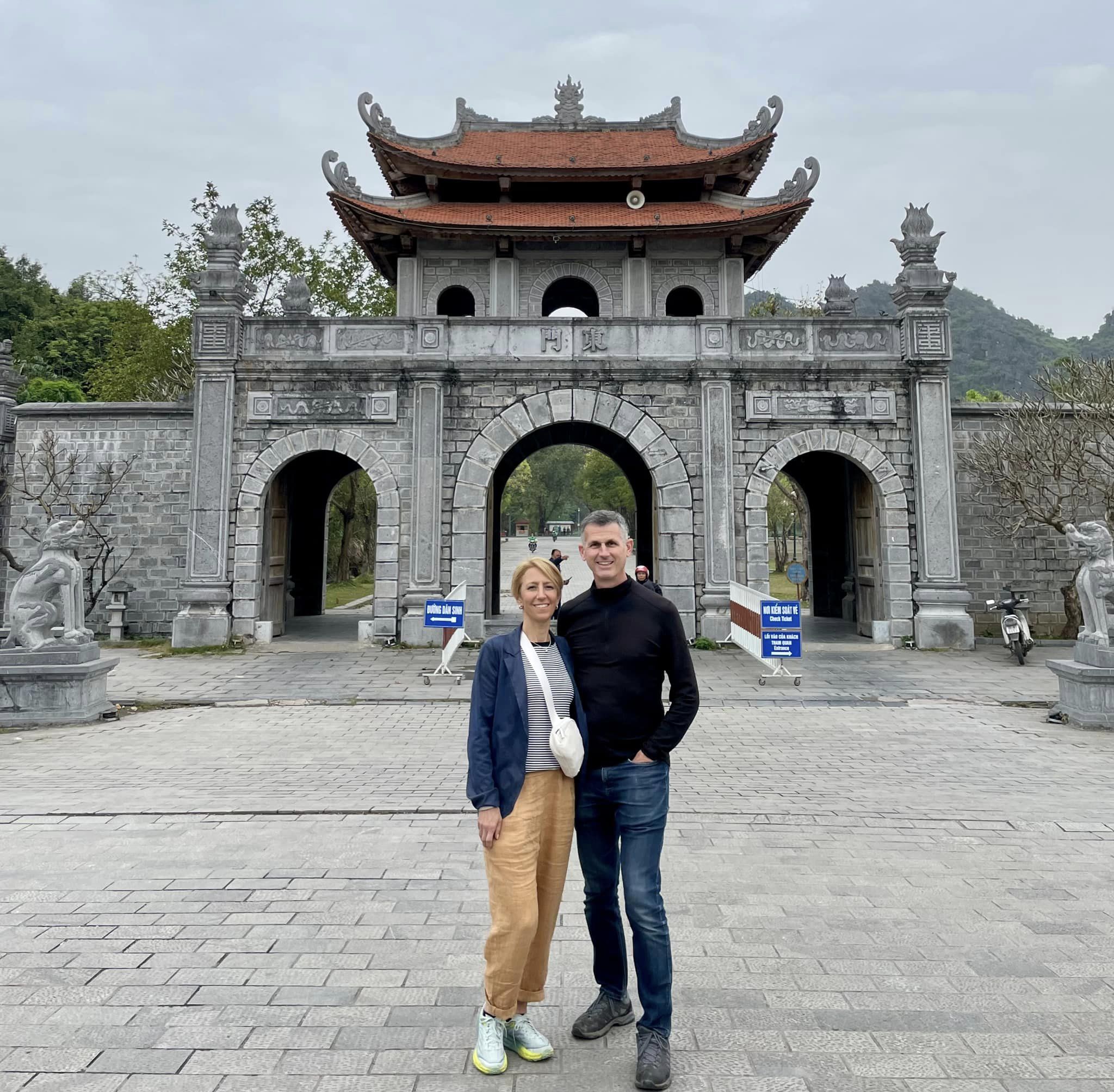
Temple of the Dinh Tien Hoang King. Vietnamese independence from 1000 years of Chinese domination is all thanks to Dinh Bo Linh. He pulled together an army, defeated the Chinese warlords and declared himself King in 968. Ninh Binh was the first capital of the newly independent Dao Co Viet. Things went up and down after Dinh’s assassination 12 years into his rule: sons fighting about who should be king, military strongmen trying to take advantage of the distraction, would-be conquerors trying to sneak back in. Sounds like classic royal manoeuvring and politics hasn’t changed much since the 10th century.
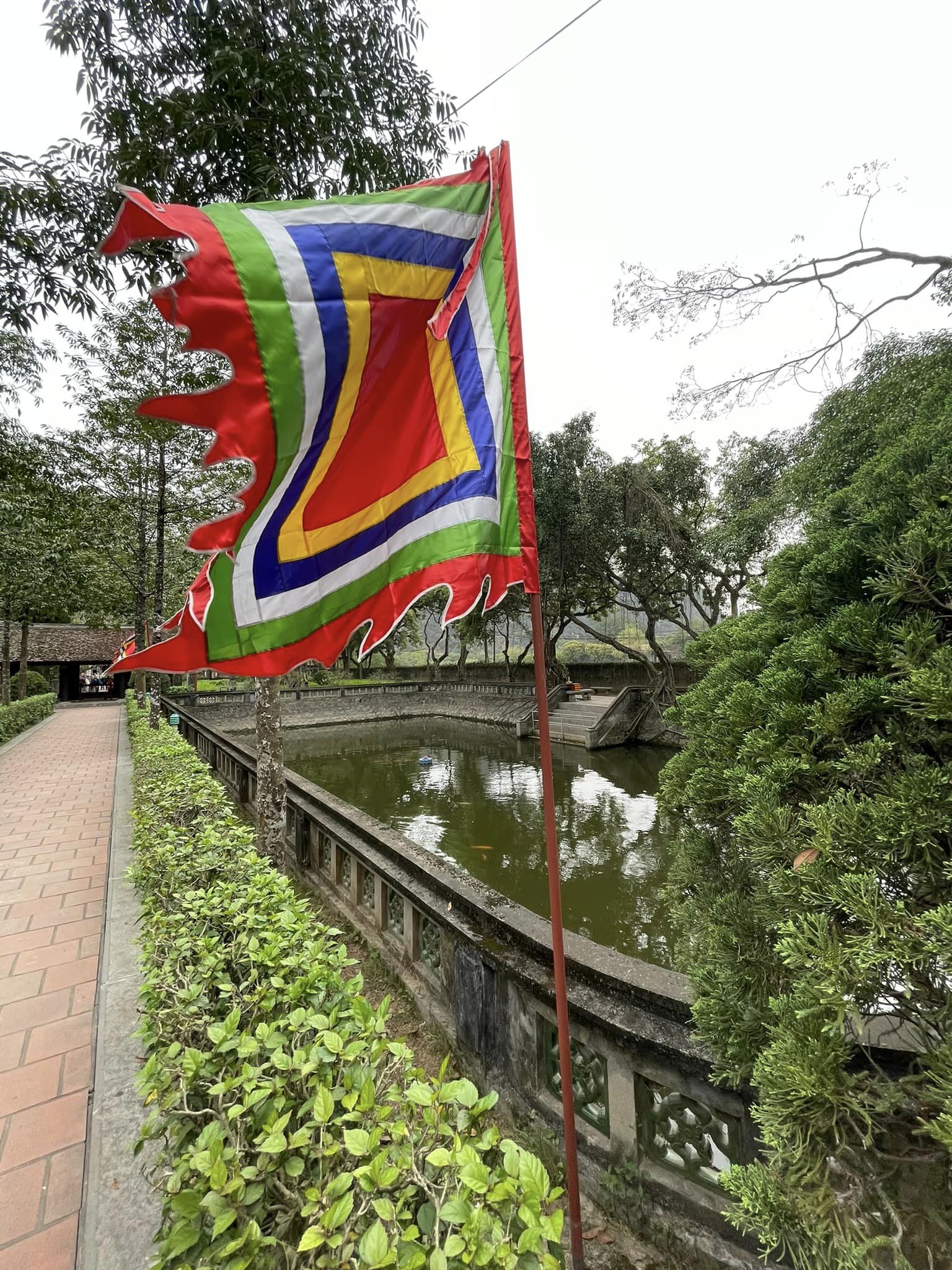
The number of colours on the flag is meant to clear up any confusion among visitors as to whether a particular building is a pagoda (for praying) or a temple (for worshiping an important historical deities like a King or hero). This five colour flag, representing the five natural elements (wood, metal, fire, earth, water) identifies this place as a temple.
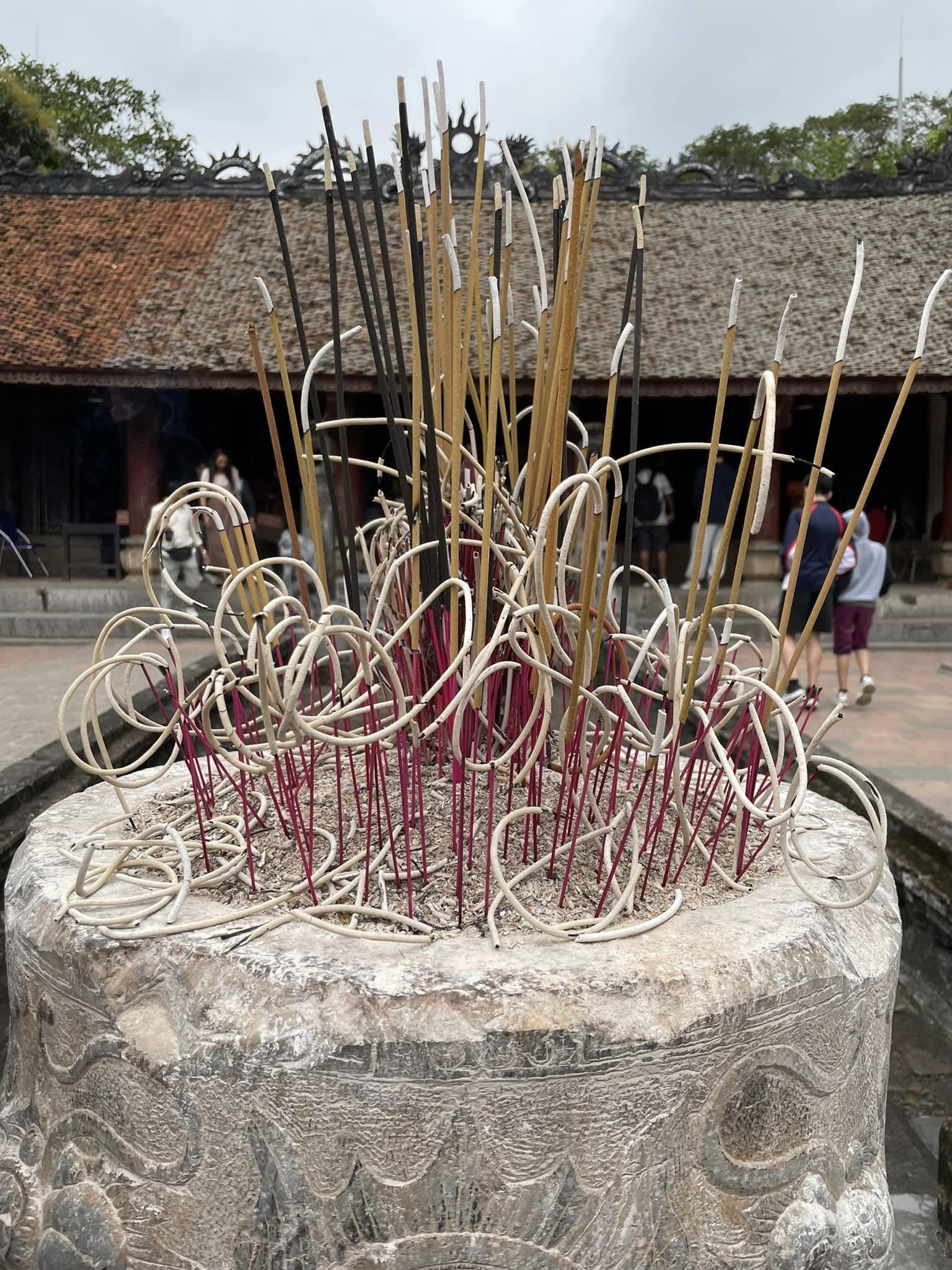
Incense burning at the temple sends a message (request) to the deity you are worshiping. Vietnamese worshippers will visit different temples to improve their chances of their request or wish being granted. If the wish is of interest to the deity, chances are it will be granted so one must be careful to match wishes with the right recipient. A business request might be submitted to a successful mandarin, a family problem may be submitted to the Mother and so on.
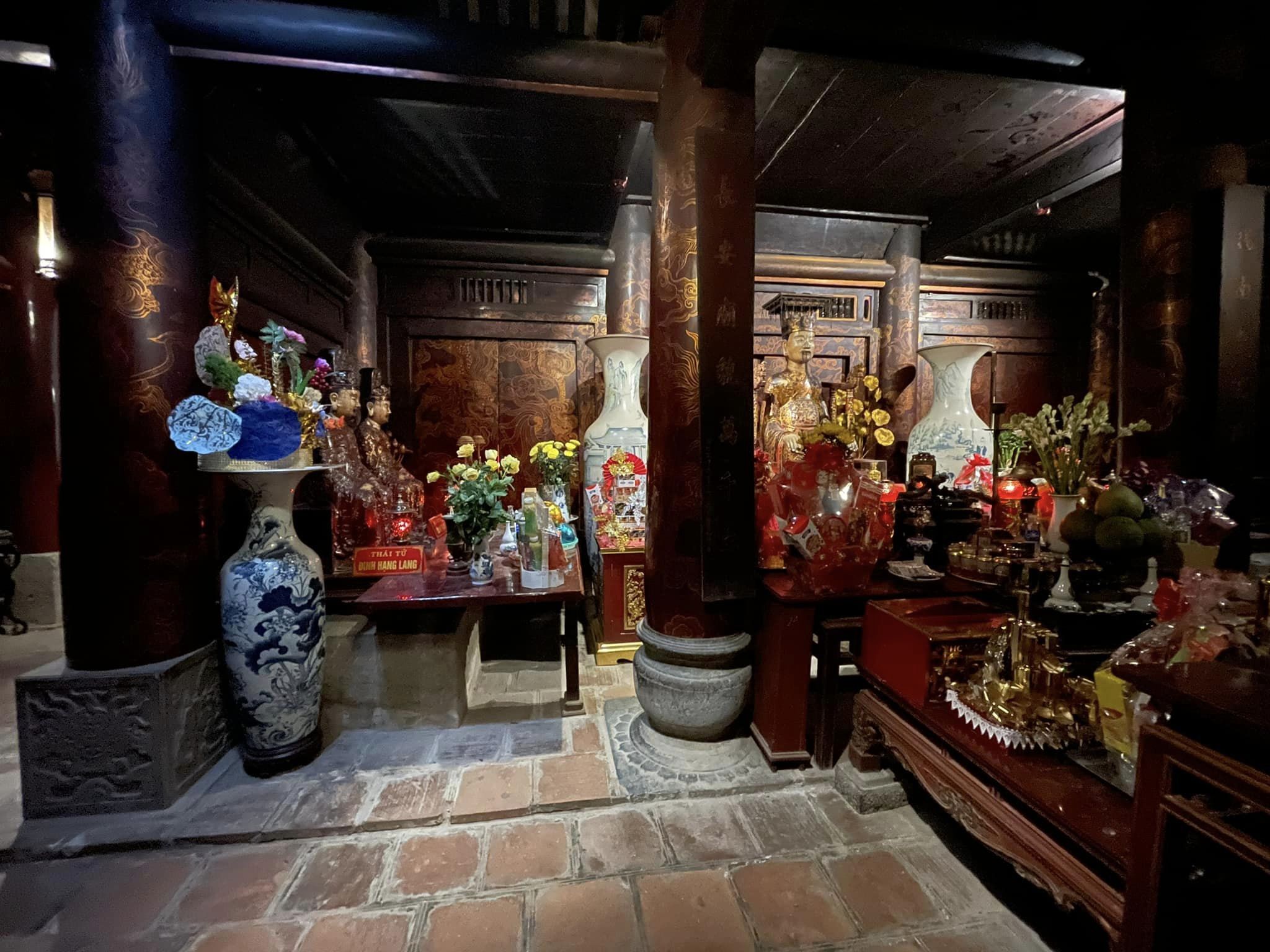
Inside Dinh’s temple with Dinh in the centre, flanked by two of his sons on the left. These two, incidentally, caused the downfall of the short-lived Dinh dynasty. Under normal royal circumstances, the eldest son would succeed the King, but Dinh decided his middle son is better suited for the job. The eldest son was jealous and had his brother poisoned. The Mandarin (the King’s right hand man) saw an opportunity to seize power and had the king and eldest son poisoned. That leaves the third son who, at the age of six, was a little underage to be King so the Queen married Dinh’s friend from his village (and commander-in-chief) Le, who rockets to the top job as King. And so begins the Pre Le dynasty.
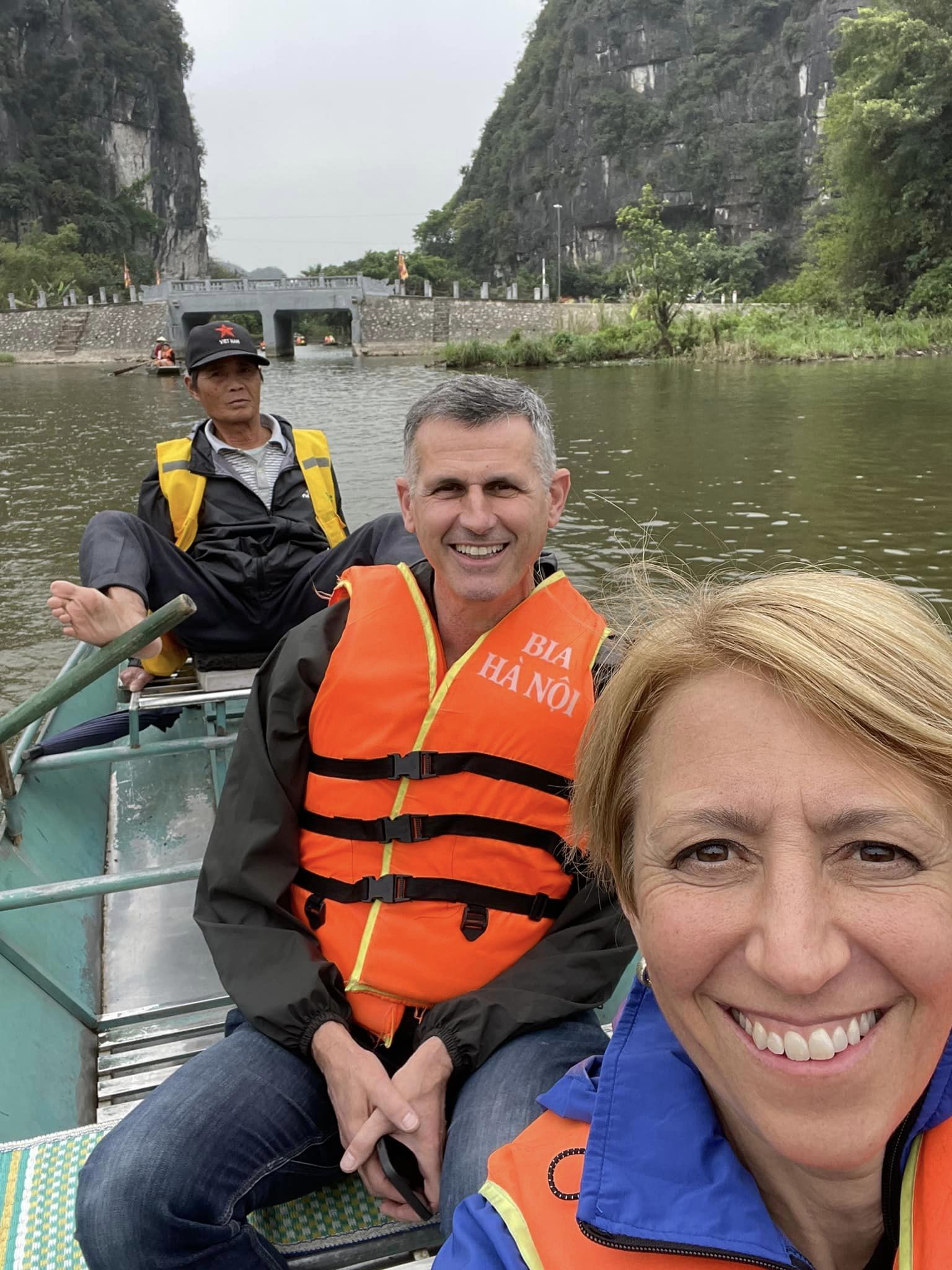
From incense in temples to fresh air on the river in Hoa Lu. Our lovely rower couldn’t speak a word of English but that didn’t stop him from telling us about various interesting things to see along the way. These boats are now made of metal but they used to be made out of bamboo.
Note his rowing technique…I assumed it was to free up their hands for other useful pursuits, like fishing. Nope. Just more comfortable this way and they can even lie down!
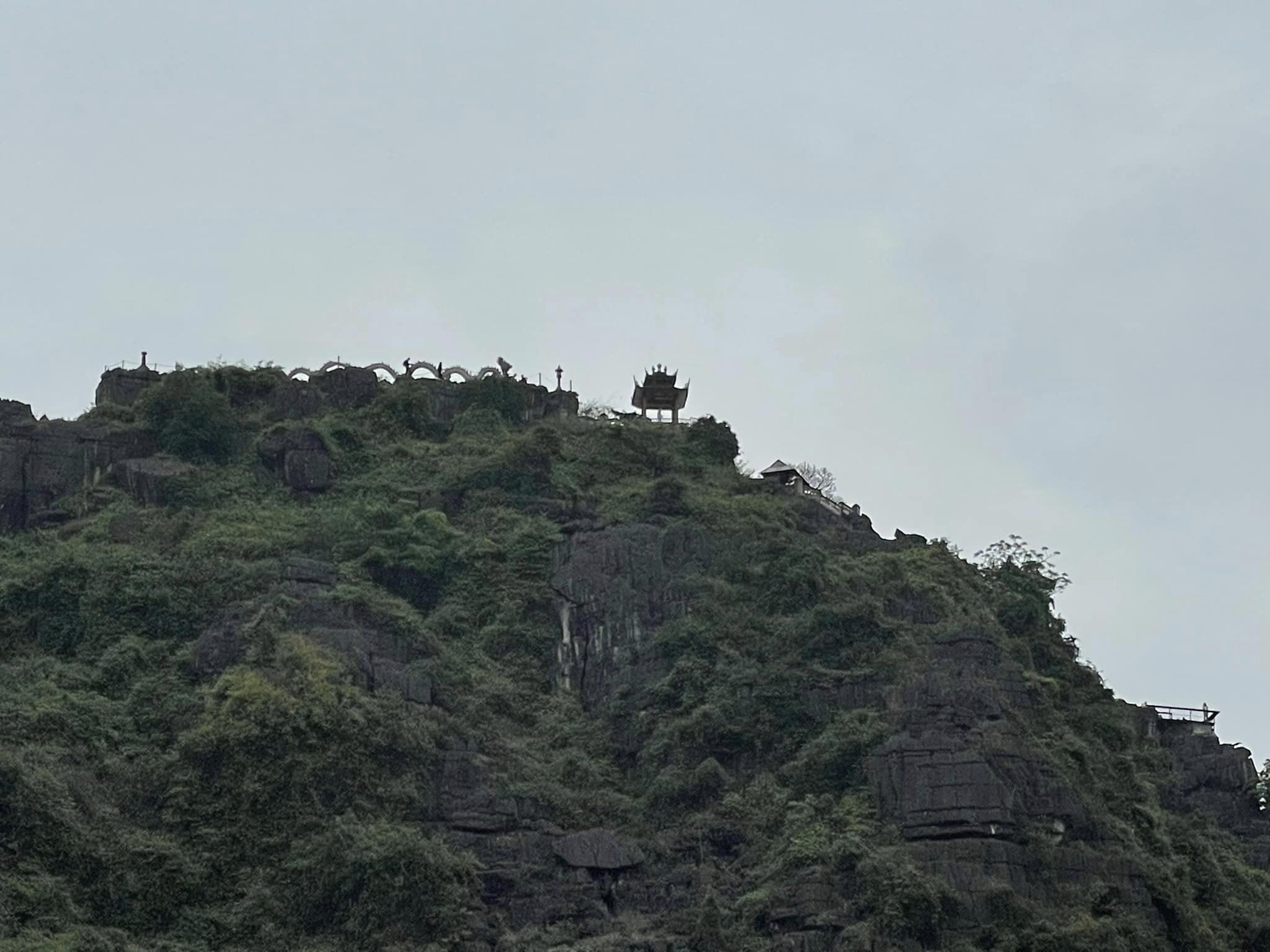
Zoom into the photo. Can you see the dragon at the top of the mountain? We’ll come back to that later…
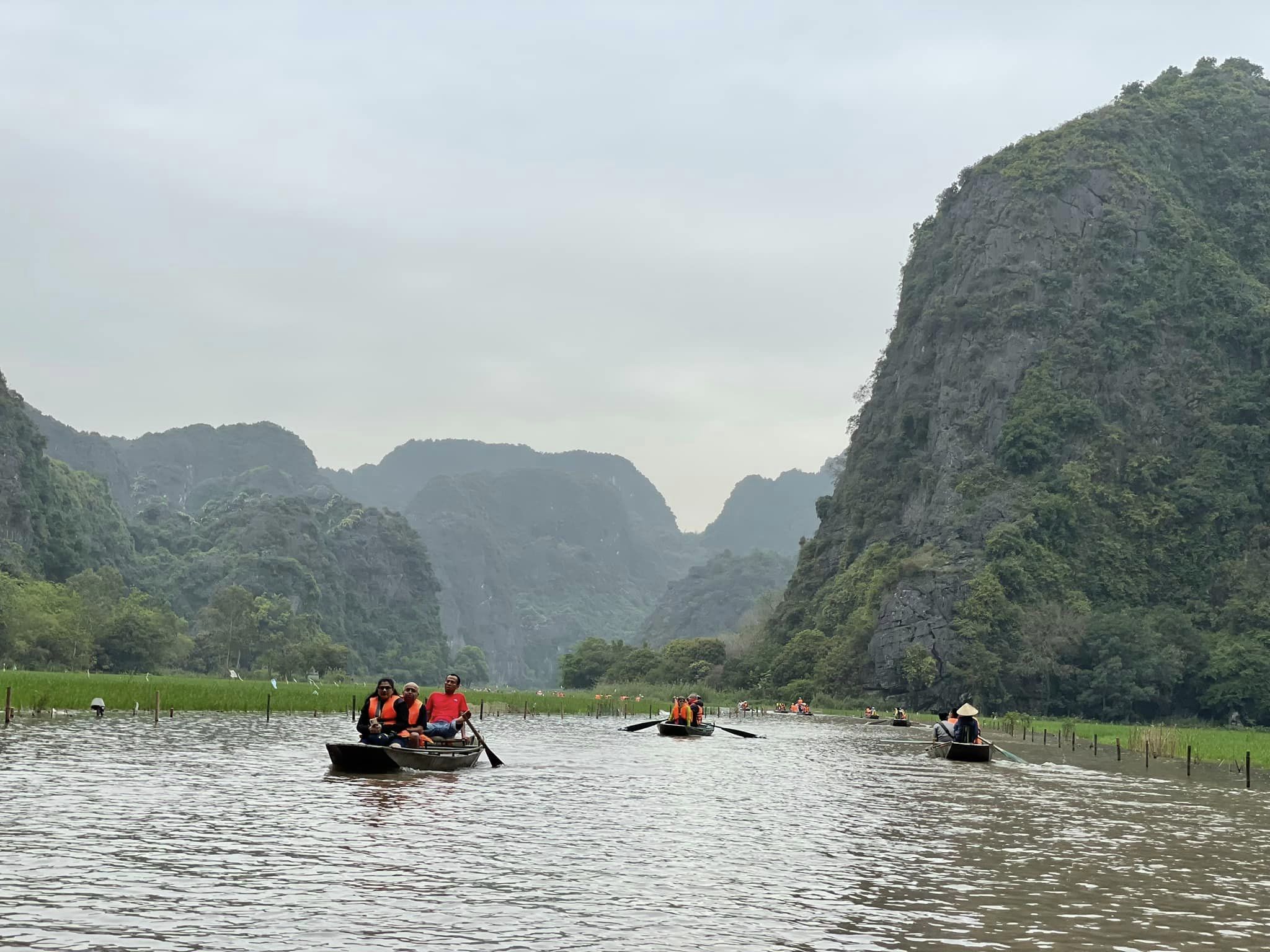
They call this area Halong Bay on land with these limestone mountains rising out of nowhere.
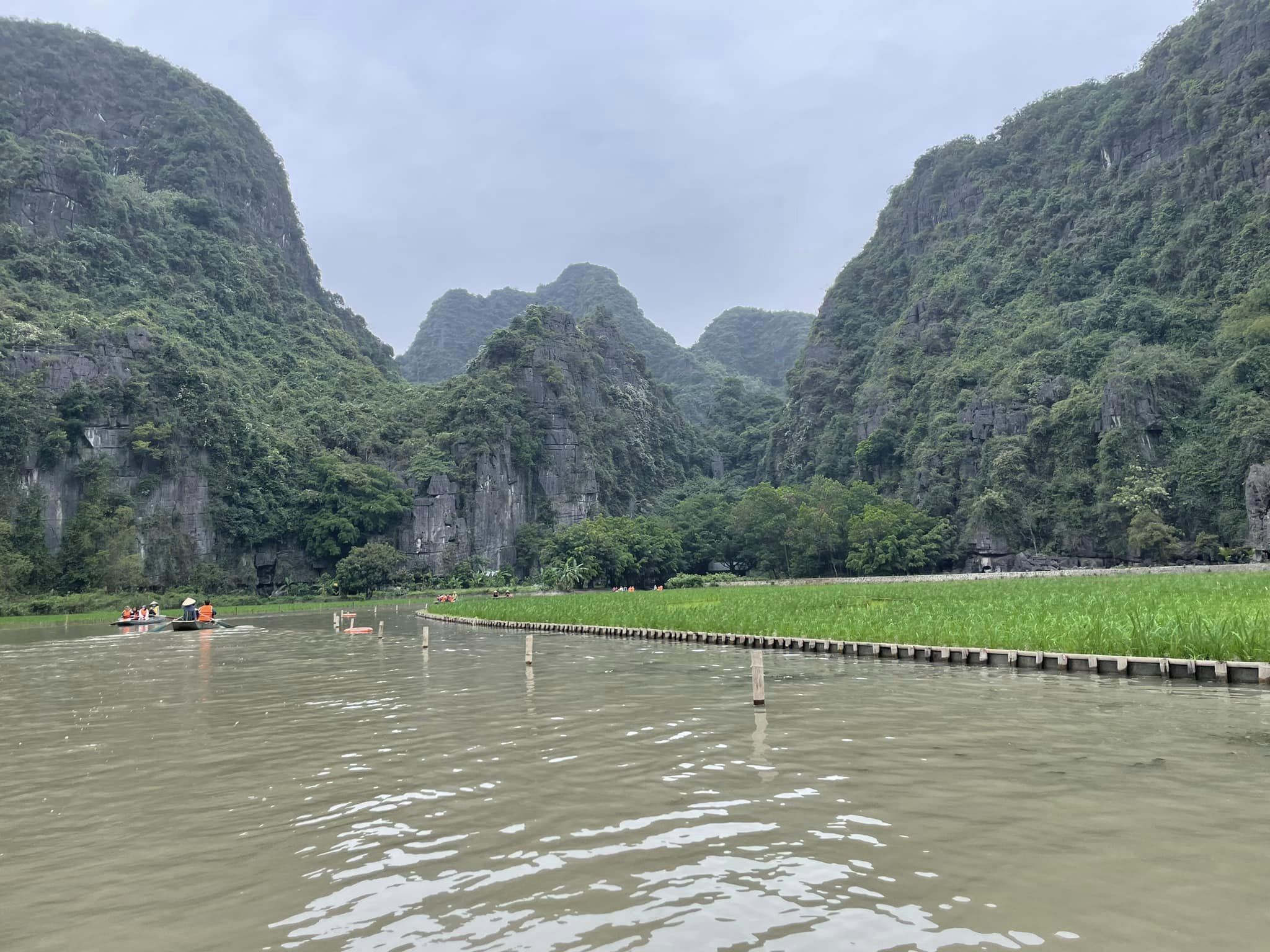
Rice fields along the edge of the river.
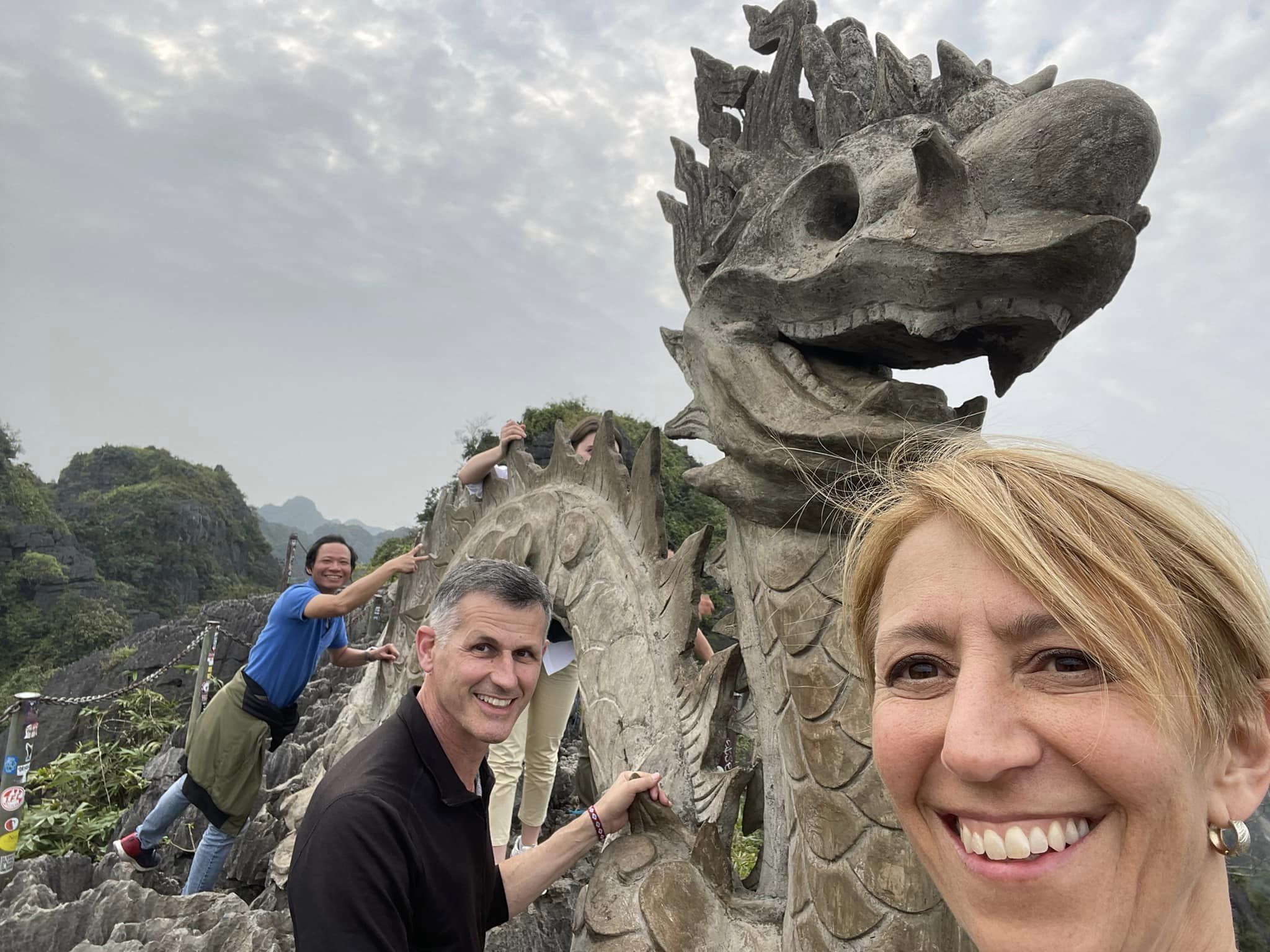
Here’s the dragon up close. We climbed up to the Mua Cave lookout and I don’t want to tell you how dangerous it was to get there!
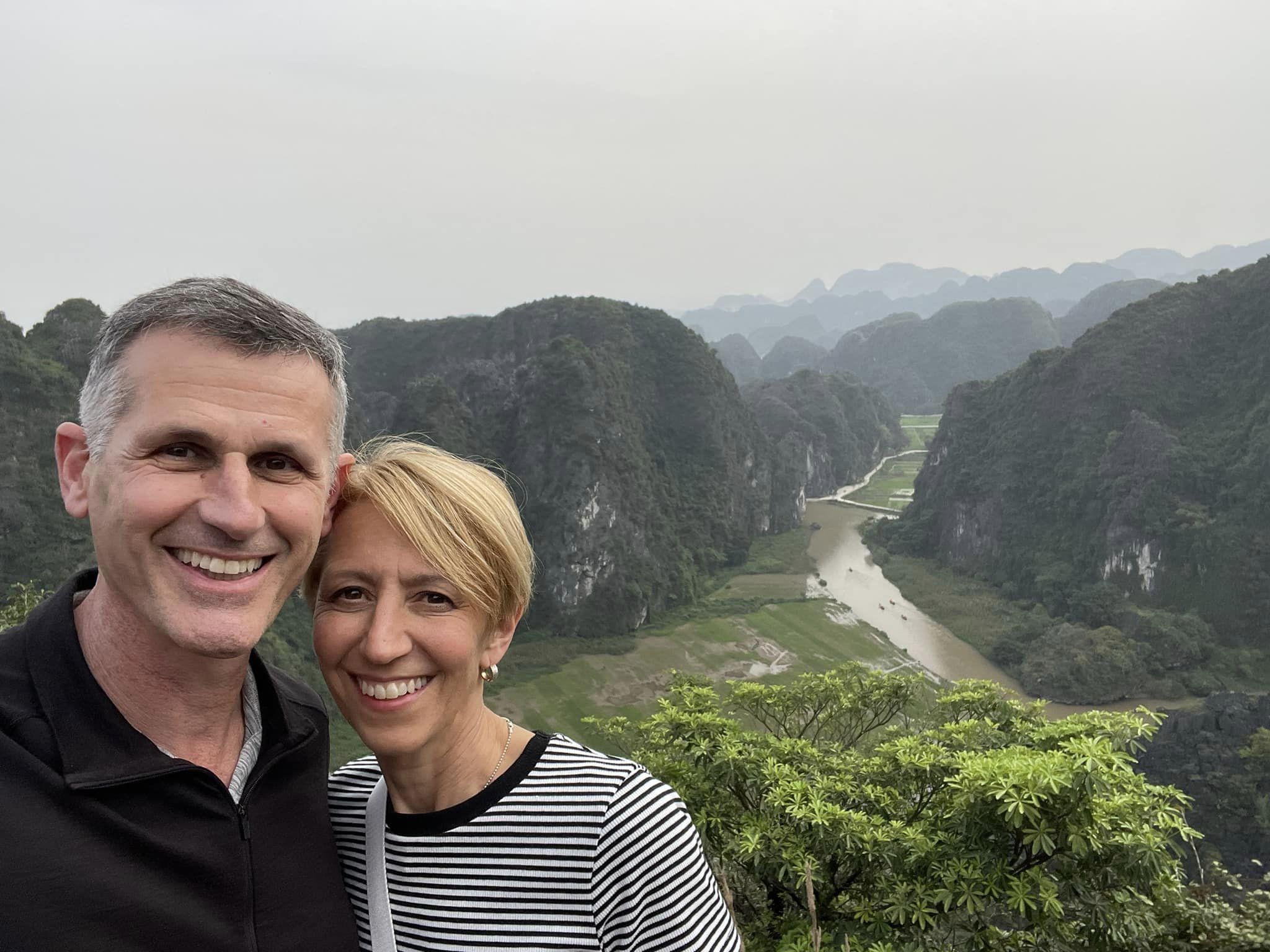
View from the dragon down to the river where we just were.
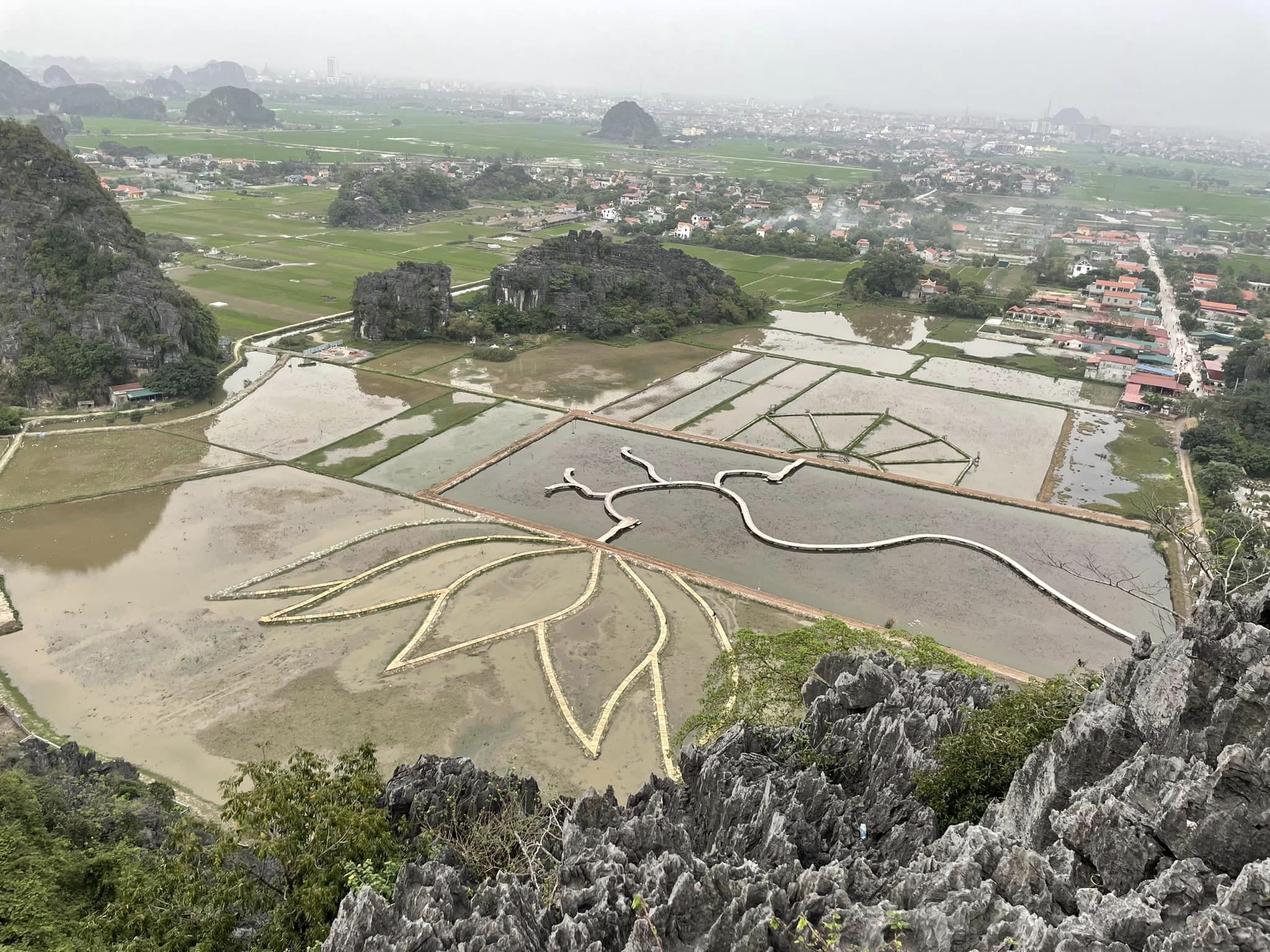
Lotus ponds. It’s not lotus season but imagine this full of flowers!
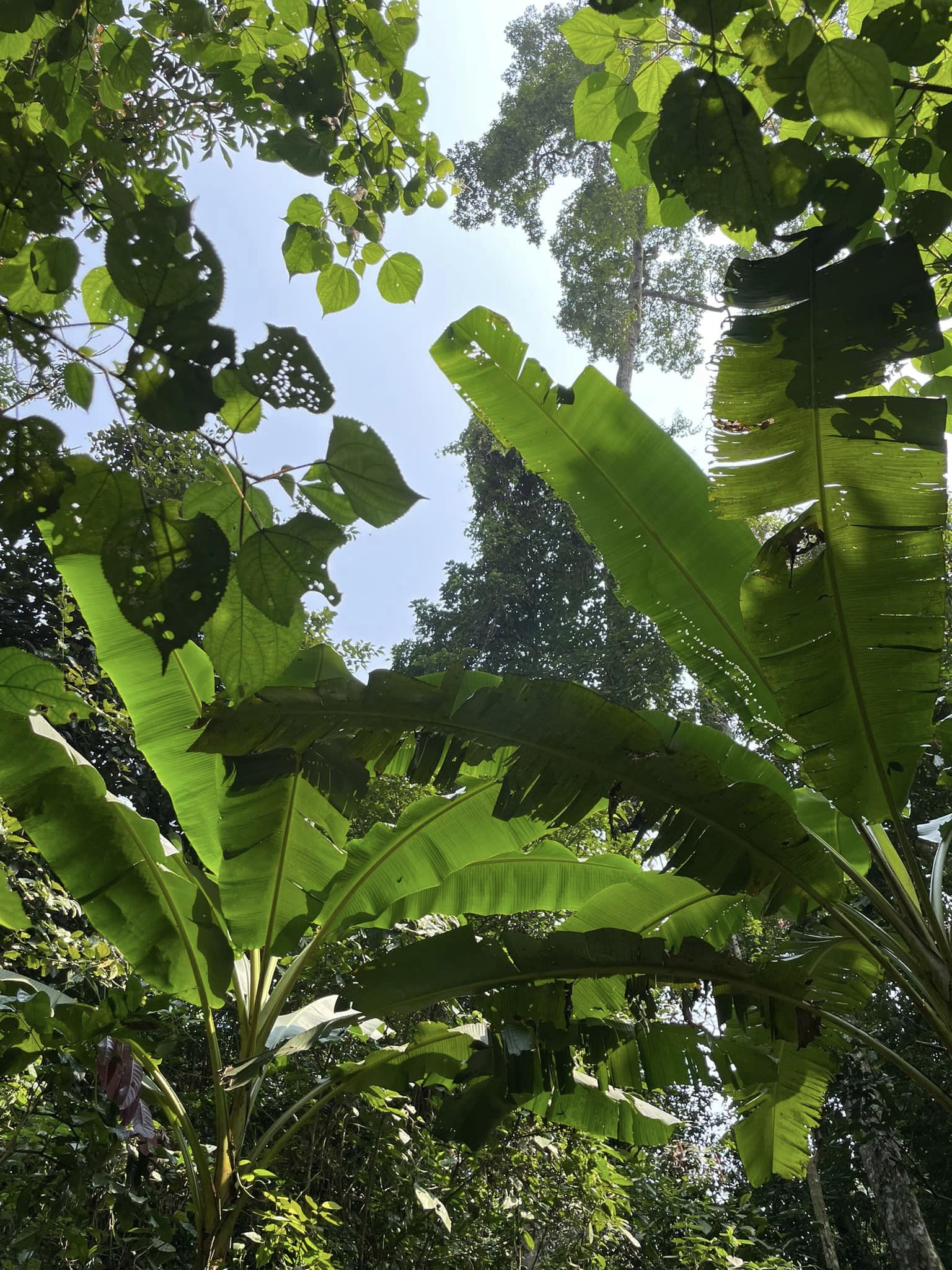
Hiking in Cuc Phuong National Park, Vietnam’s largest at 22,200 hectares. Known for its flora (rather than fauna although we heard lots of interesting bird calls) and its caves. The vegetation was amazing. The leaves were huge!
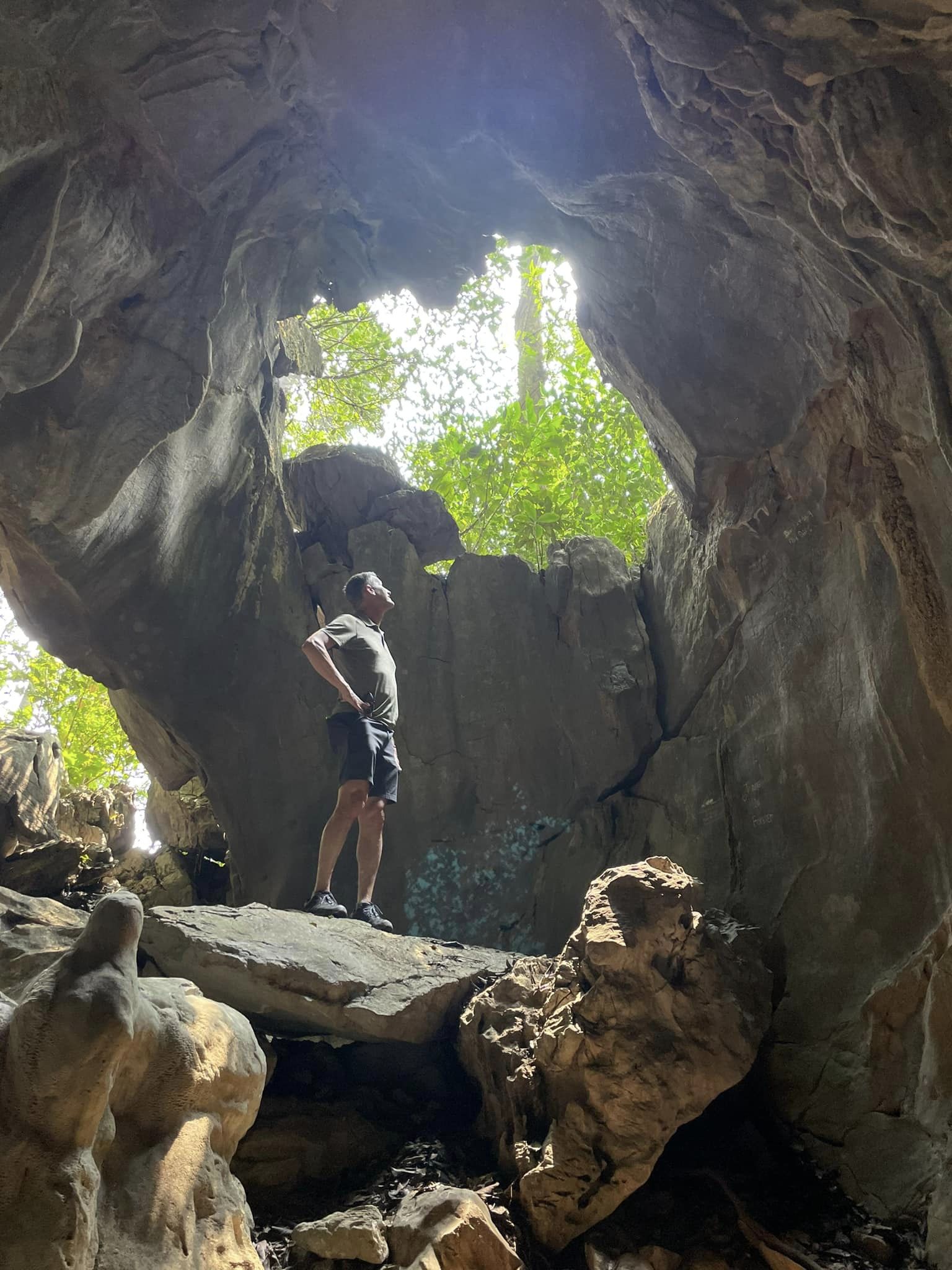
Exploring a cave off the beaten path…a bit of bushwhacking required. Foreshadowing Angkor Wat?
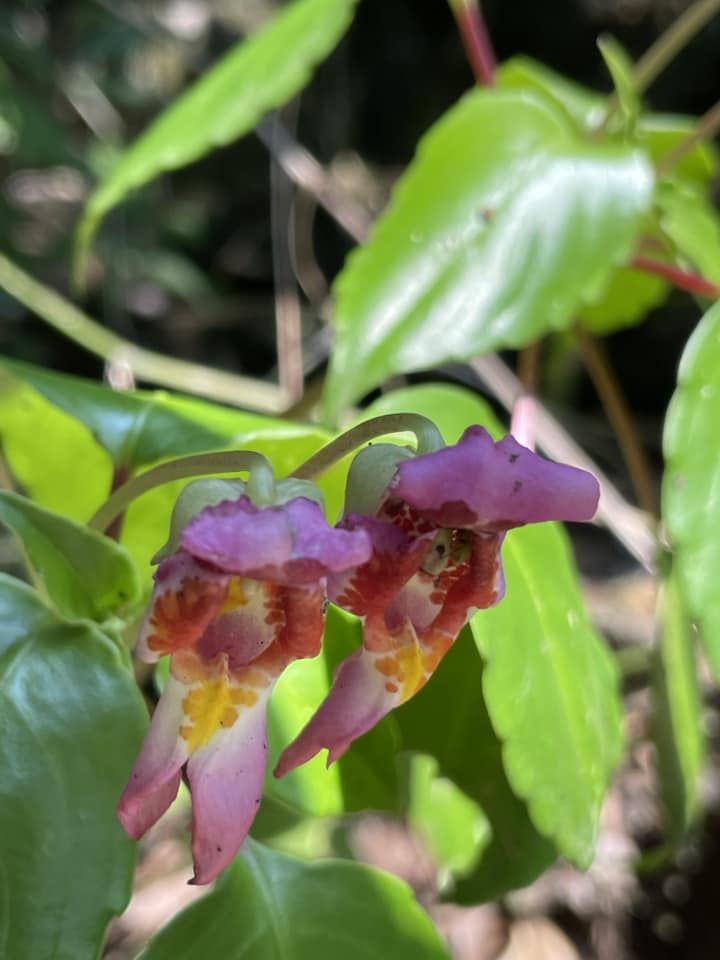
Forest orchids.
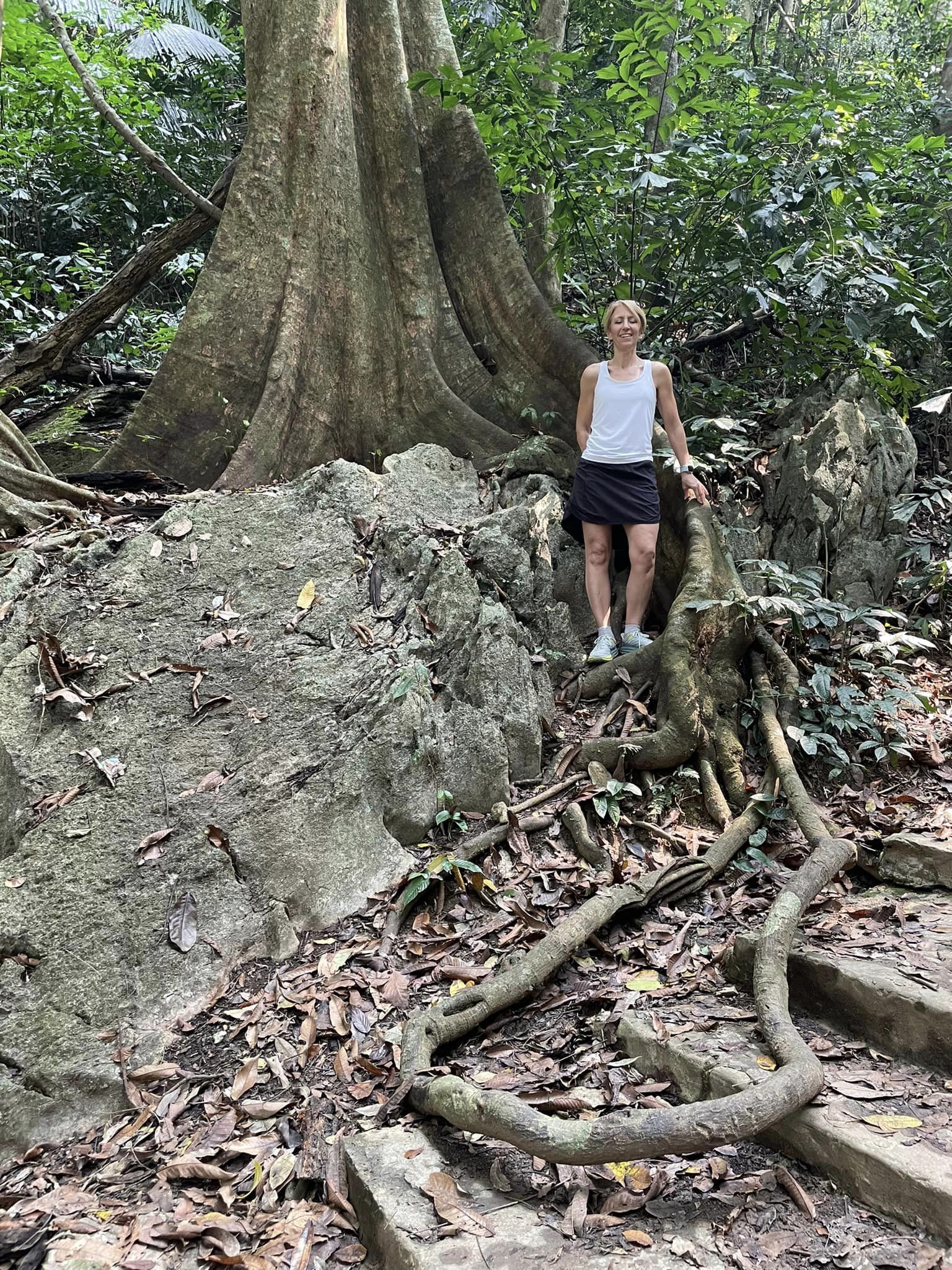
How’s that for a tree root. I guess it was bored underground and decided to venture out, changed its mind and turned around.
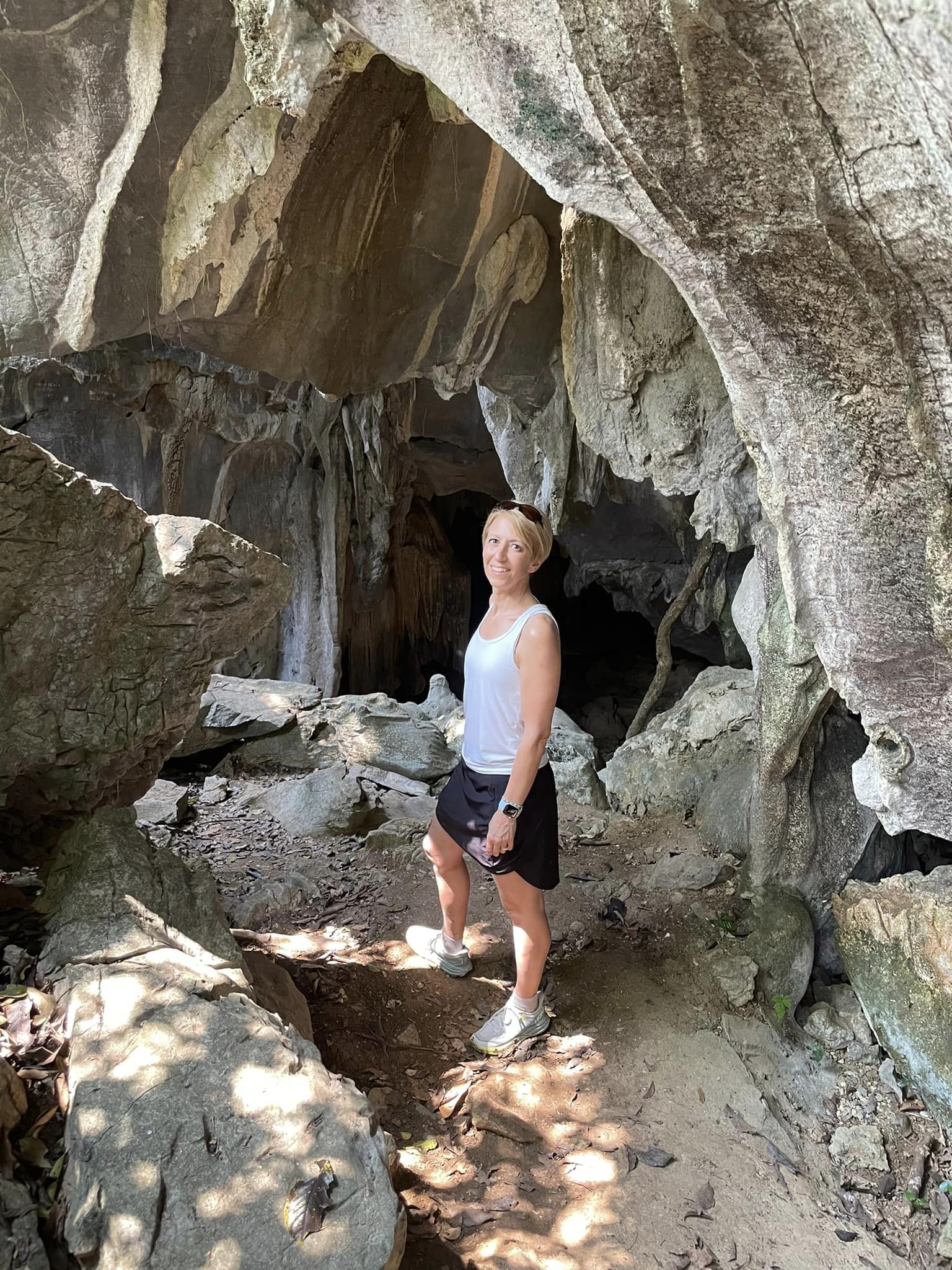
At the mouth of the cave.
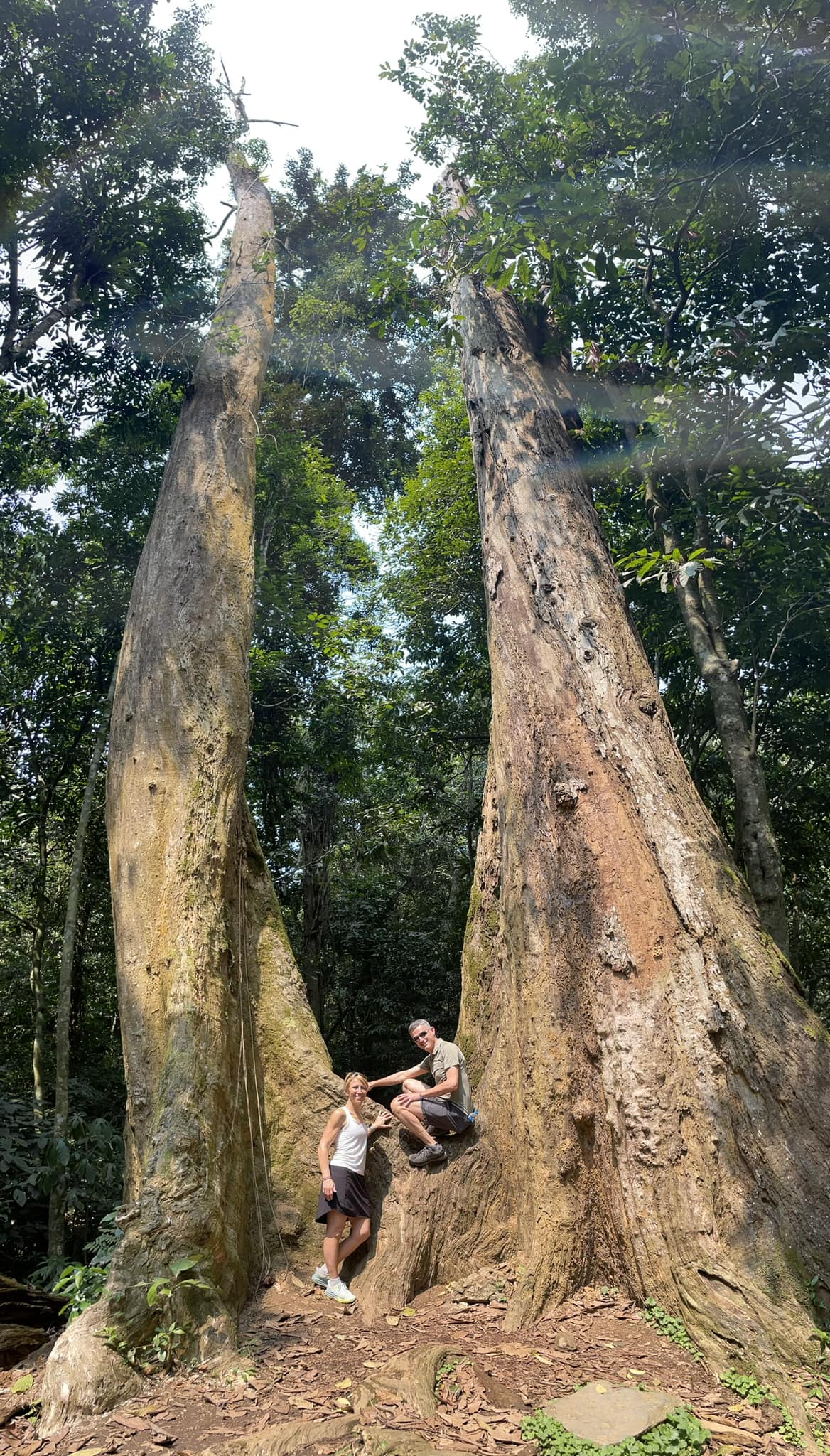
Amazing trees.
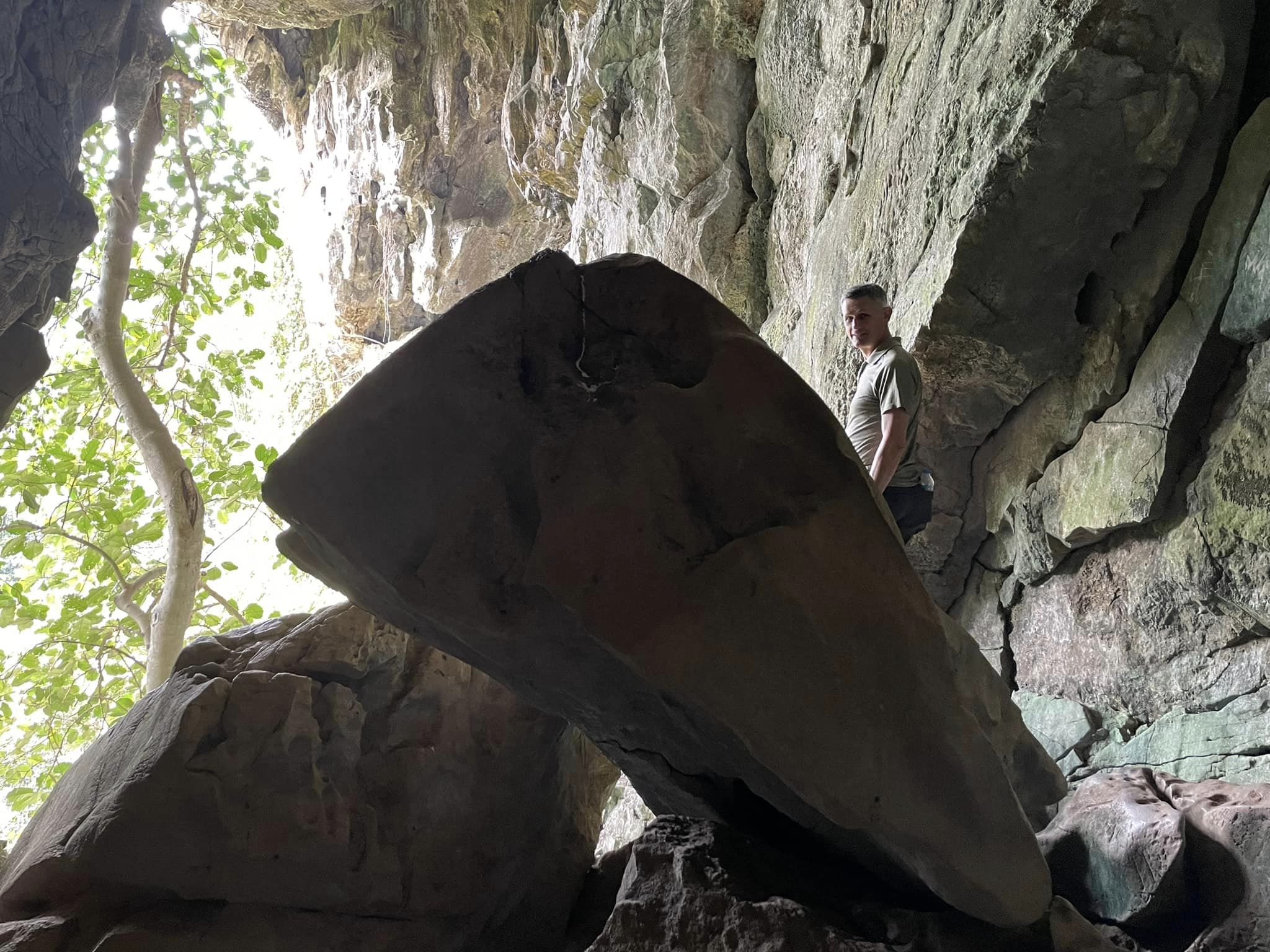
Inside the Cave of the Prehistoric Man. In 1966, this cave was discovered with stone axes, bone spears and various cooking tools along with three tombs with bones dating back 7,500 years. This is in the upper level of the cave, accessed by three rickety, rusting ladders.
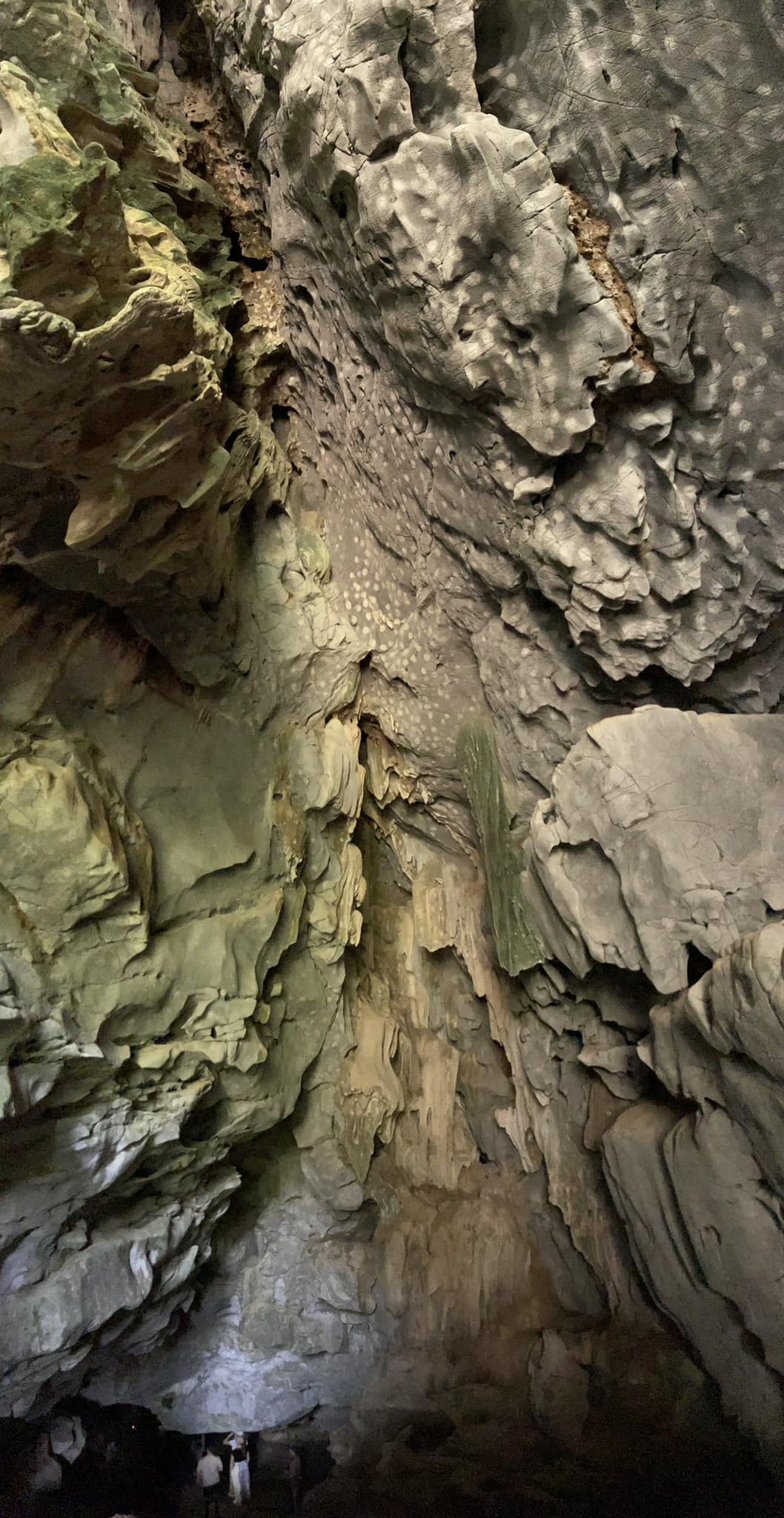
The cave walls and ceilings in the many chambers were amazing. Not sure what all the polka dots are…
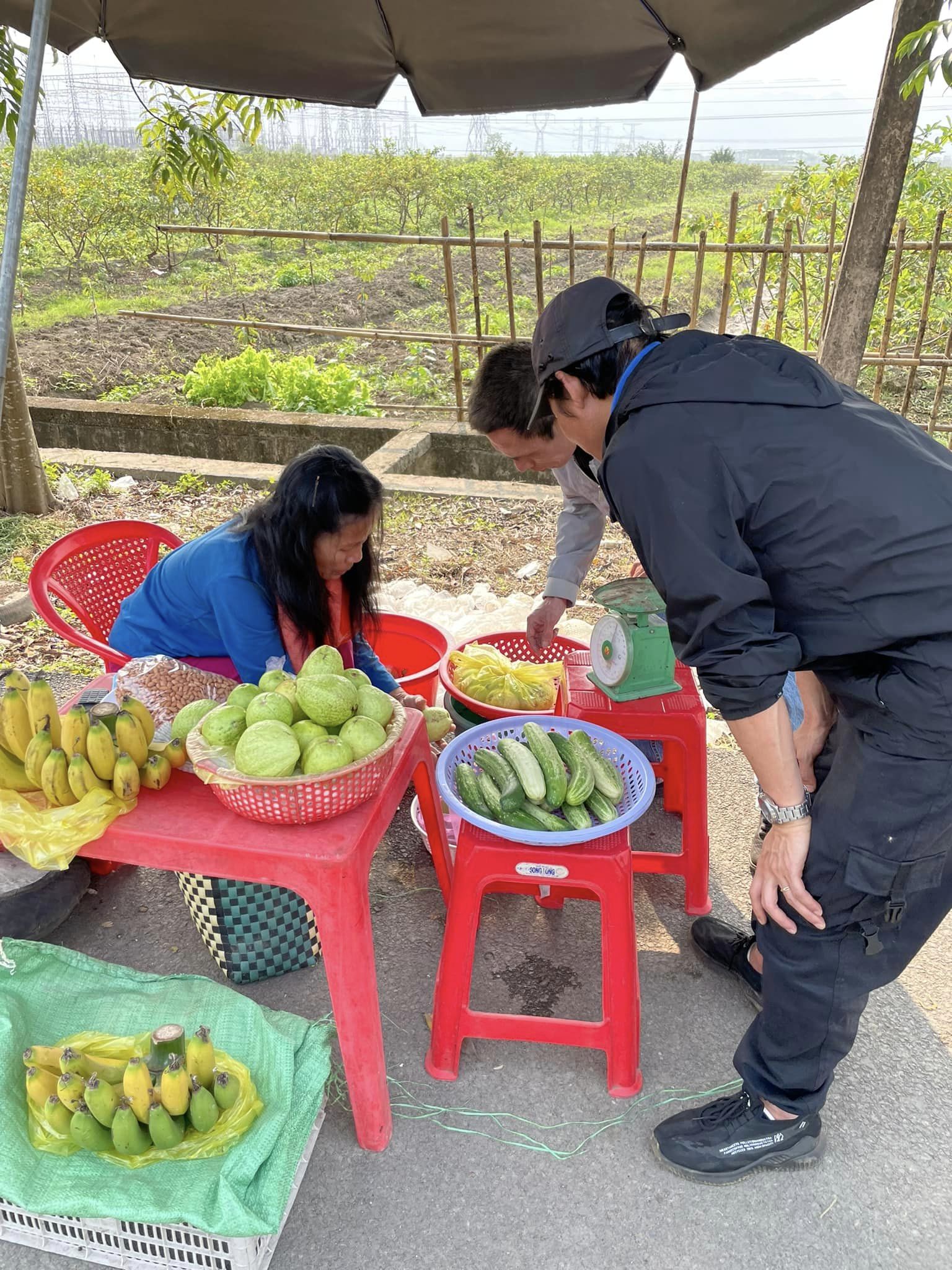
Our driver, Mr Binh and guide, Mr Bien, picking up some guavas and bananas from one of the many roadside stands.
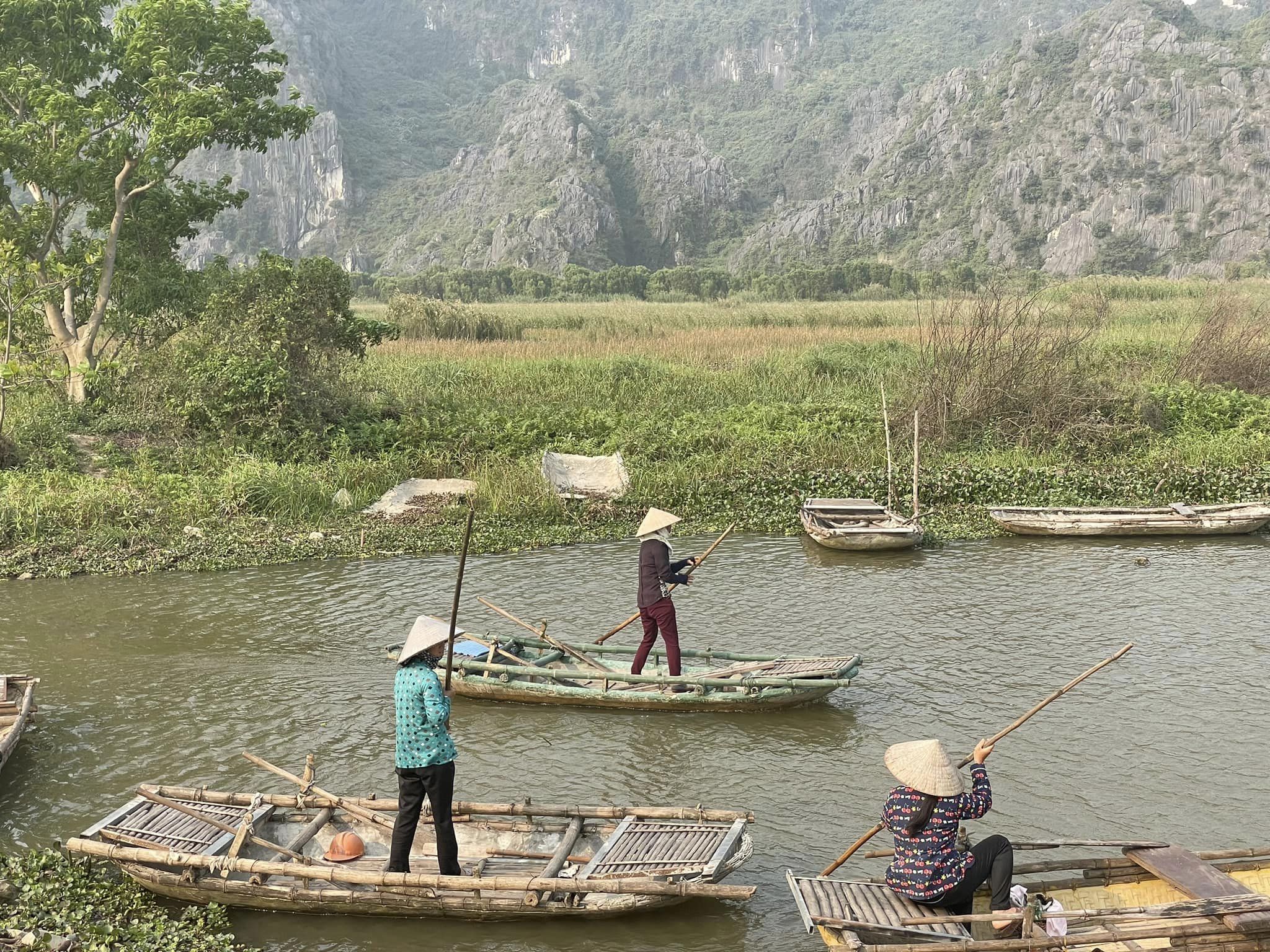
These are the real bamboo boats. The rowers wait for tourists to take them on a ride up river. If it’s not a busy day, they may wait all day in a queue for nothing.
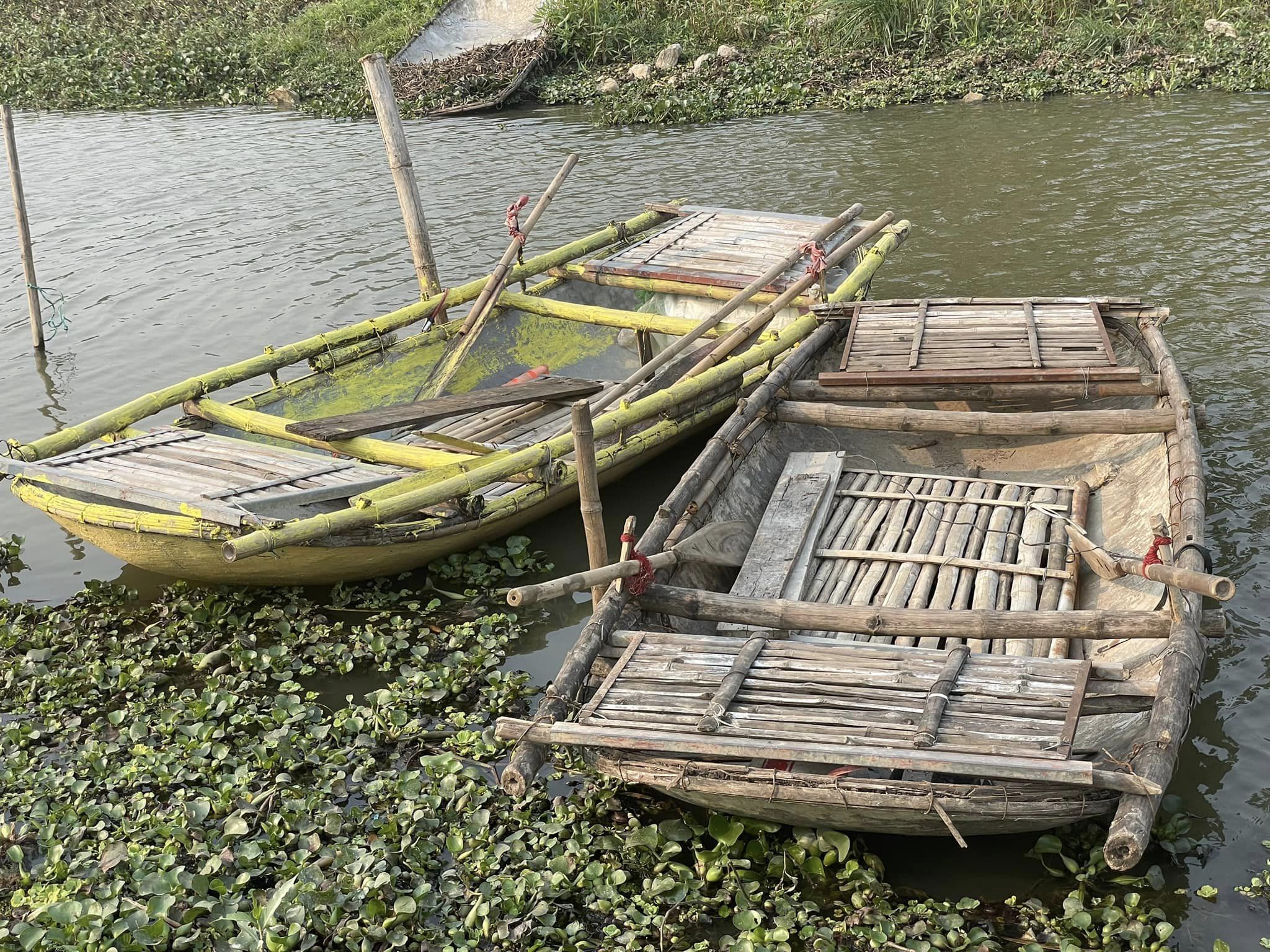
Bamboo boats with a little fibreglass to help keep them afloat.
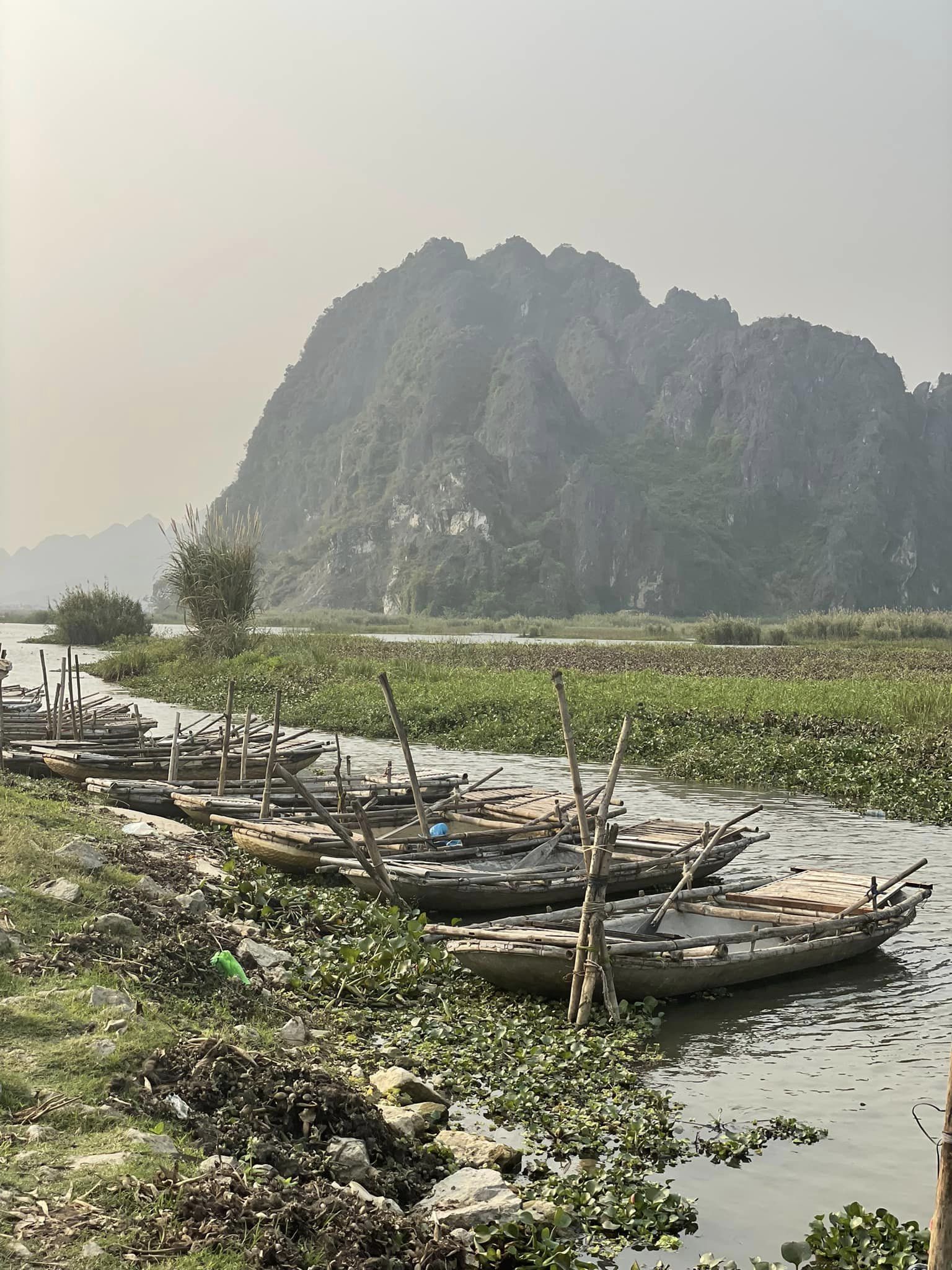
Bamboo boat queue.