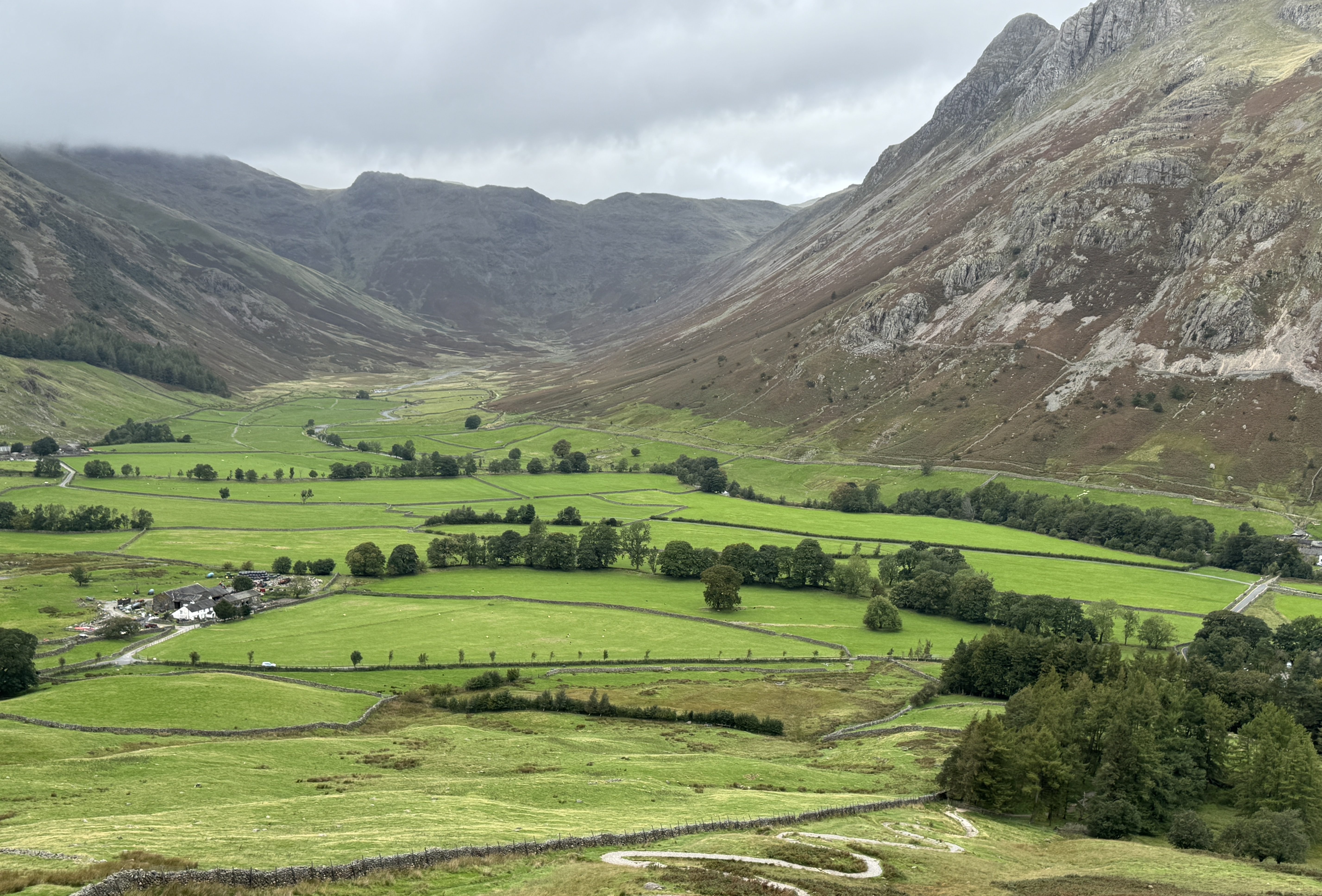
Lounging in the Lakes
While I loved the Costwolds’ gentleness and rolling hills, the Lake District really drew me in with its mountains, ruggedness and dramatic vistas. Maybe the Herdies also had something to do with it…
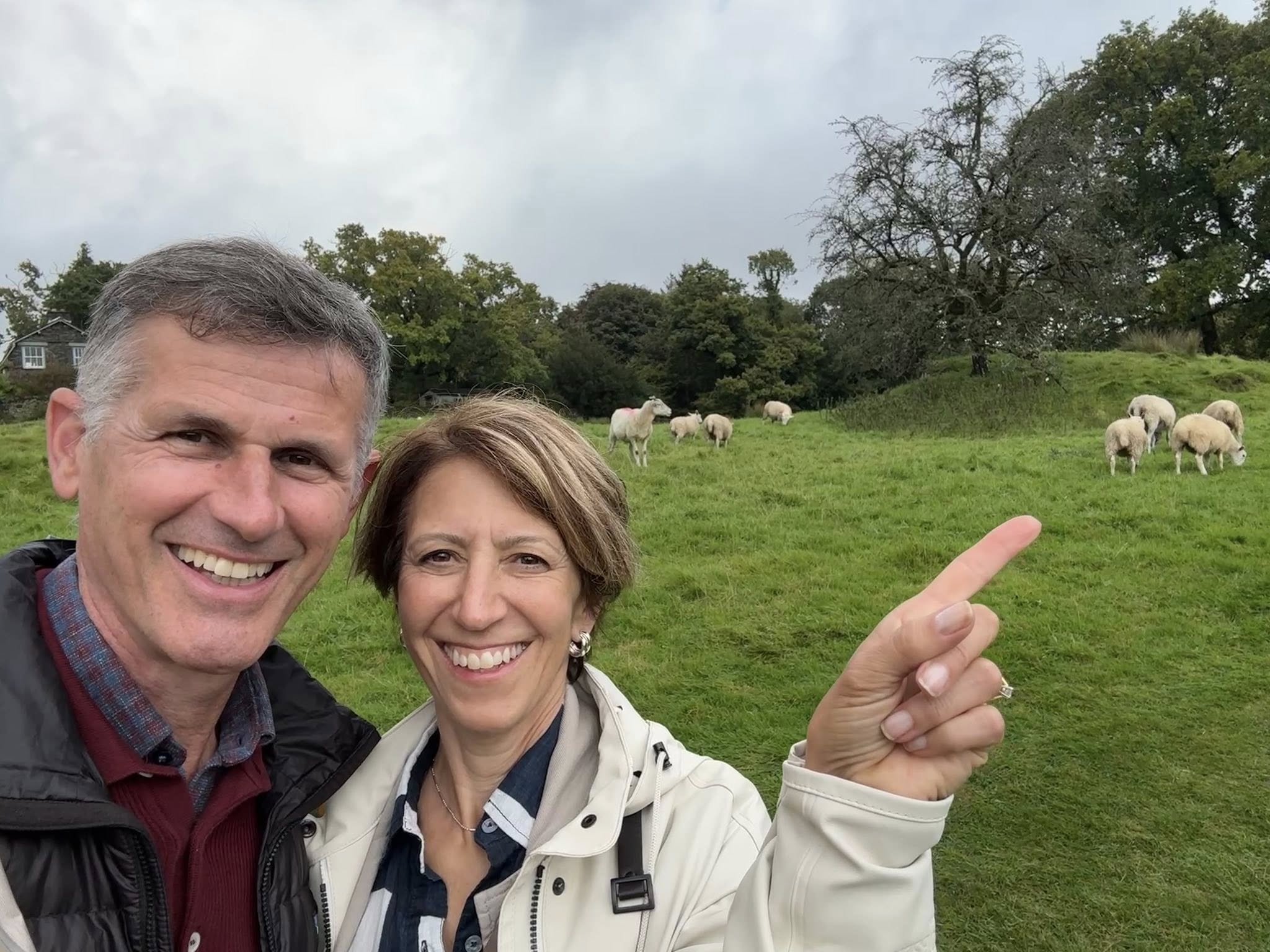
What? More sheep?!
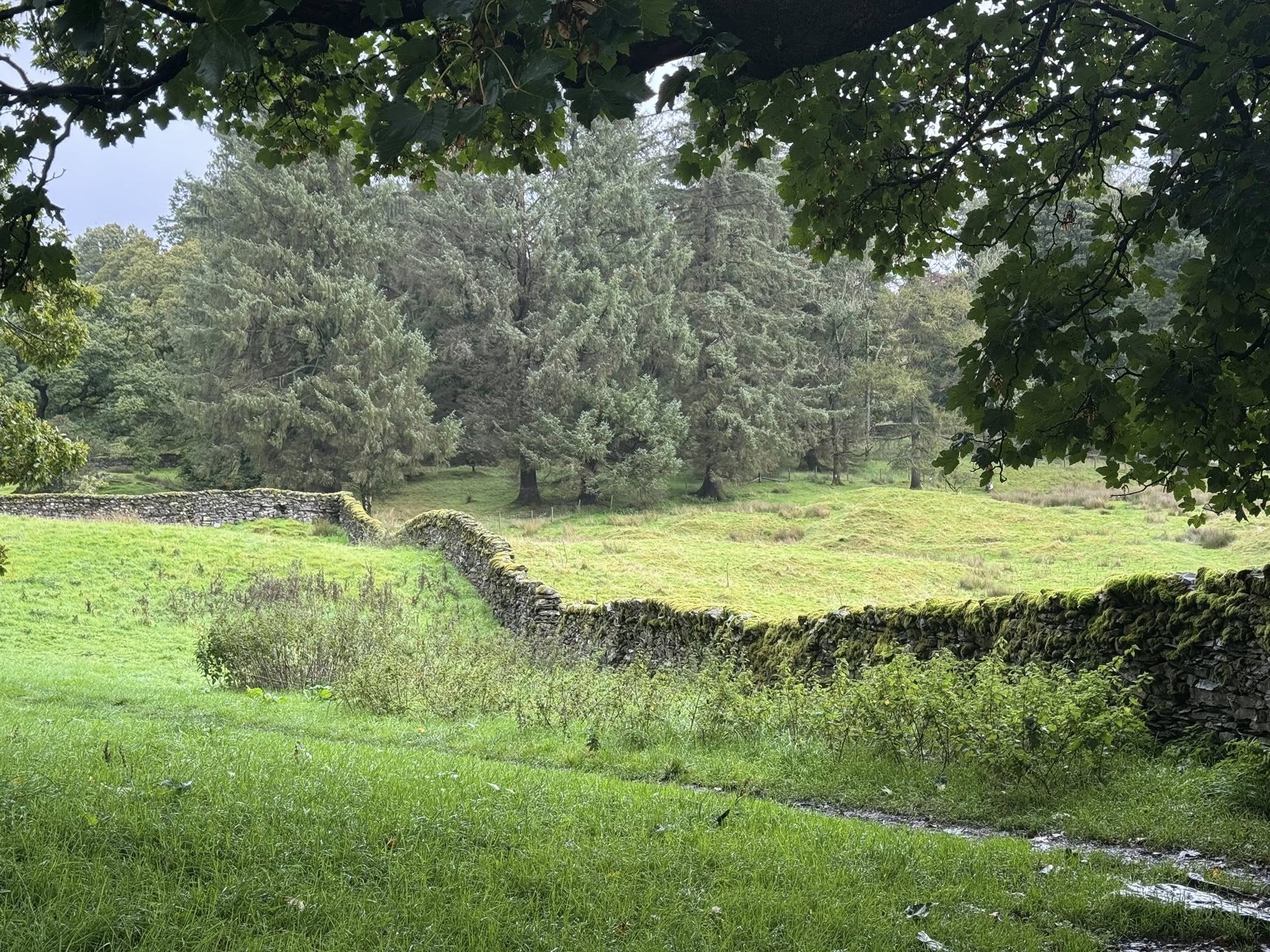
Dry stone walls are all over the UK (estimates are that they run a distance of 180,000-200,000 miles). These are definitely not a “seen one, seen ‘em all” kind of thing. They can date as far back as medieval times and were used to keep sheep and cattle where they belonged and mark property lines. The older ones were often built with the slate uncovered when farmers cleared the land for grazing. Newer ones (by new, we’re talking 18th century) more often than not used rounder, volcanic rocks and sometimes mixed them with slate. And no mortar was used to build these long-standing walls; just stones carefully placed with precision by someone who really knows what they are doing!
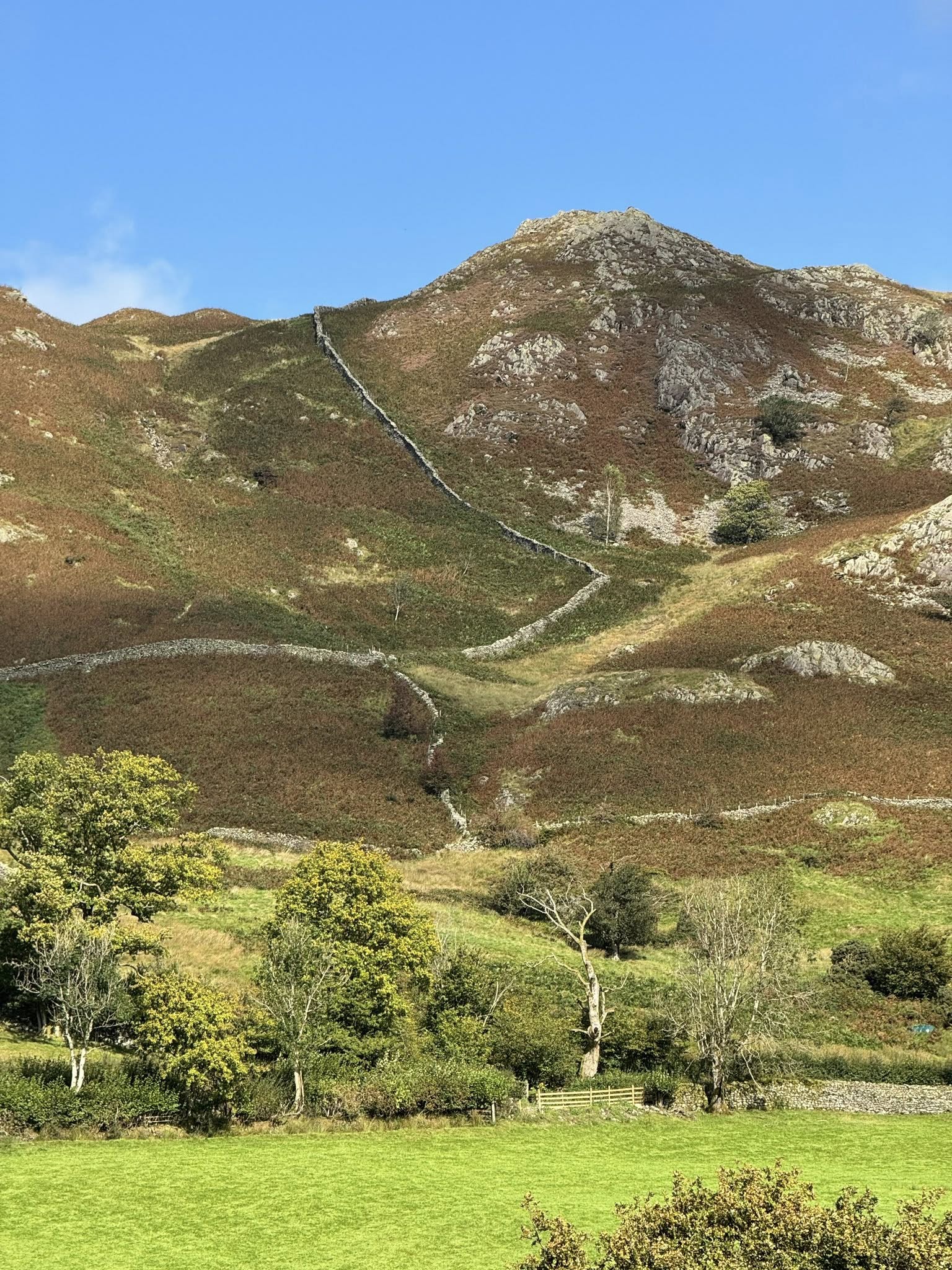
There seems to be no end to these walls and no terrain they can’t climb. The older ones don’t tend to run in straight lines. These were not easy to build so they often ran the path of least resistance.
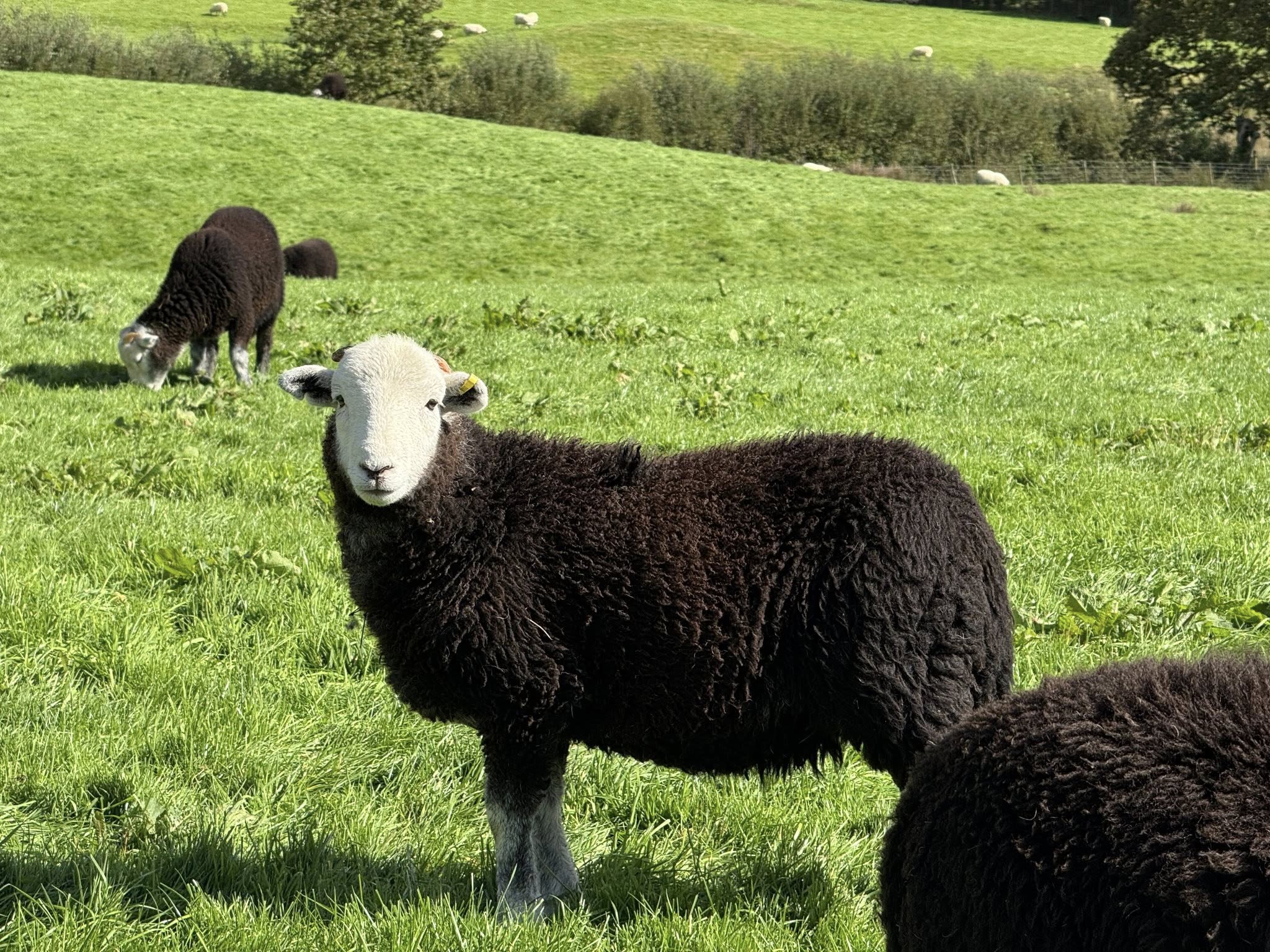
Herdies! These are the sweetest sheep of all! The Herdwick sheep are only found in this region as they have adapted to handle the extreme weather of the Lake District. They can survive on grazing alone and their extra thick fleece (which runs down their legs and along their long tails) keeps them warm and dry in the cold and wet winters. They change colour as they grow! They are born all black and as they age, their faces turn white and their wool fades to brown. After their first shearing (at about 12-18 months) their fleece grows back grey and stays that way. This extra thick wool is quite coarse and not ideal for sweaters but it is perfect for carpets, tweeds and insulation. Needless to say, the value of the wool is a lot lower but there has been a movement to preserve and protect this iconic creature of this region. We can thank Beatrix Potter for the Herdies we see today. She saved them from decline by farming them and when she died, she left them and her land to the National Trust. So she wasn’t only about rabbits messing about in vegetable patches!
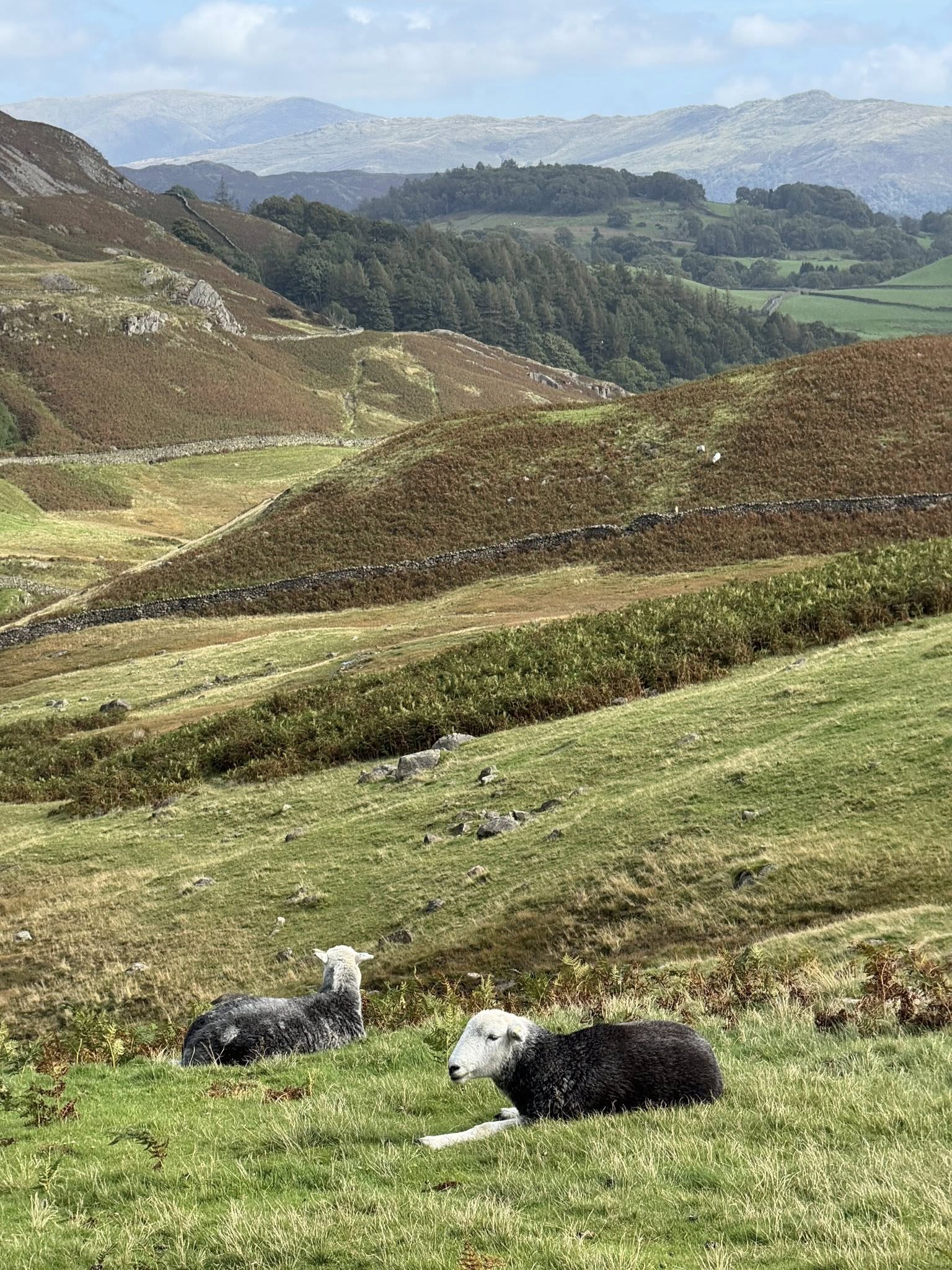
Herdies are often left to roam freely in the uplands without walls to keep them penned in. The flock is “hefted” to a particular patch of fell. It’s their forever home and they pass this homing instinct down through the generations. The lambs follow their mothers around and learn their boundaries…unlike human children.
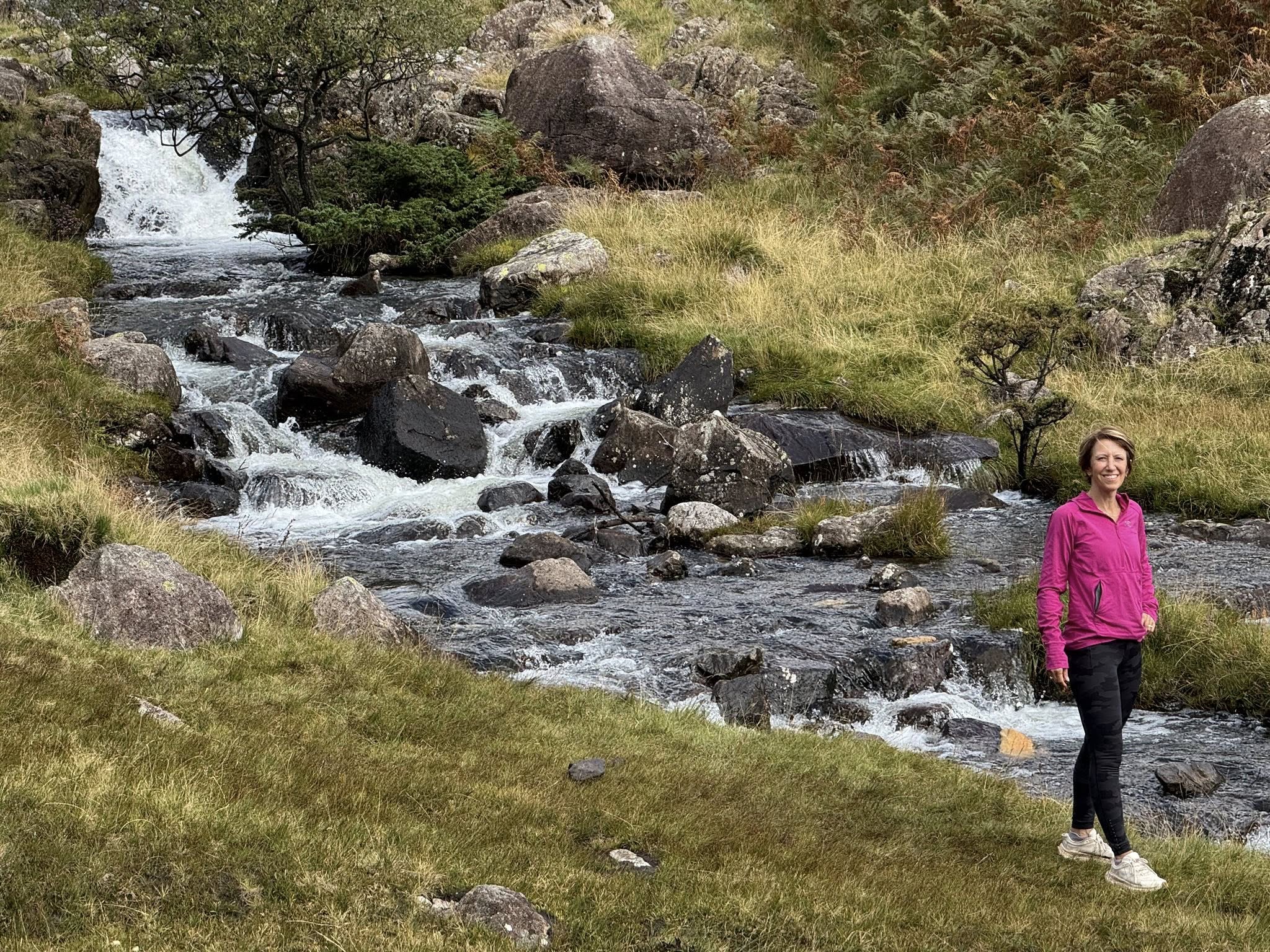
Sprinkled in with the Herdies on our hike from Little Langdale past Blea Tarn, a stepped waterfall. The Herdies seem to stay away from the water. Smart. Ewes must have taught their young this important lesson, along with where home is.
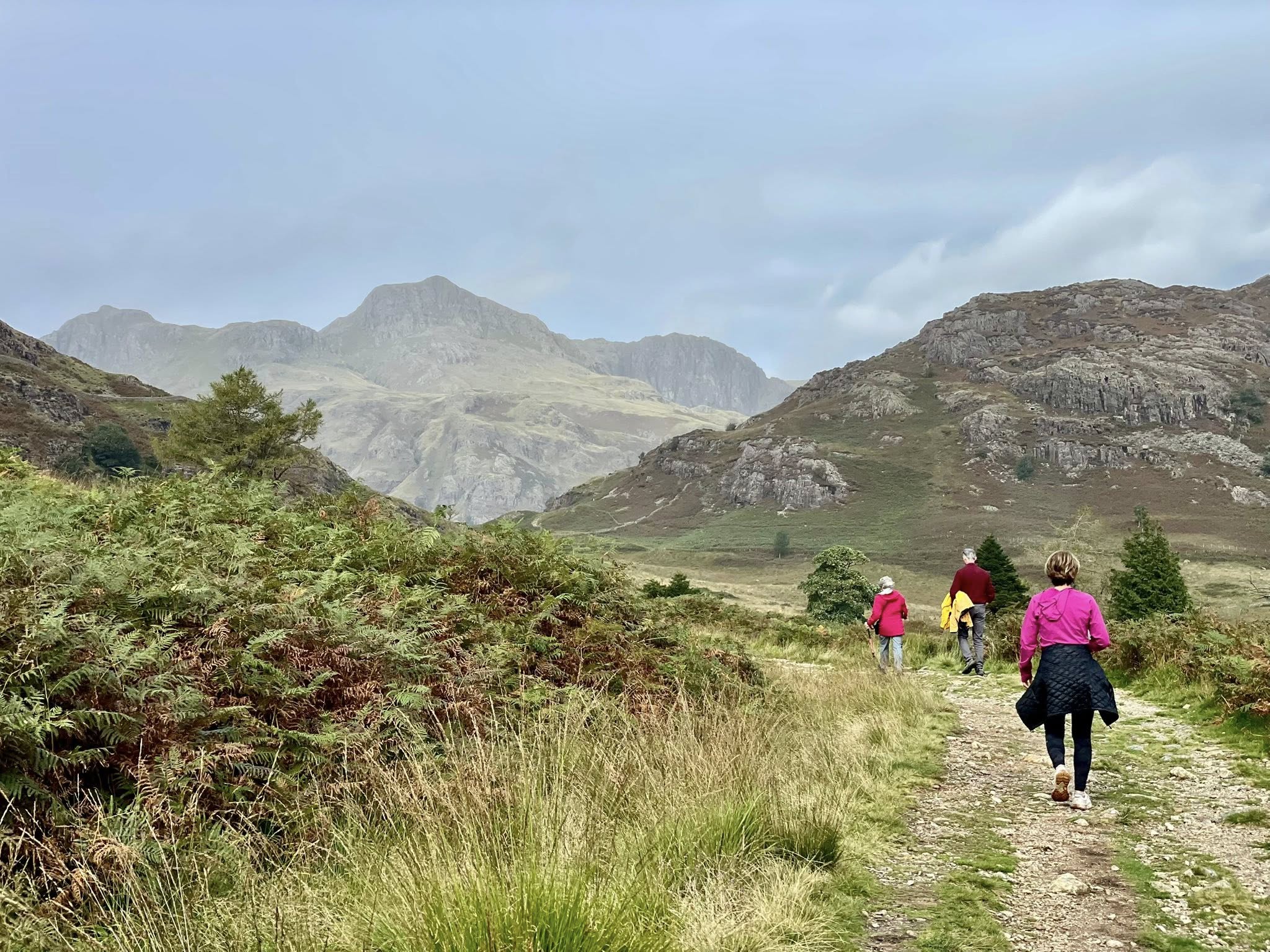
You can spot us miles away! We are definitely heading in the right direction…for now. Behind us was a different world…
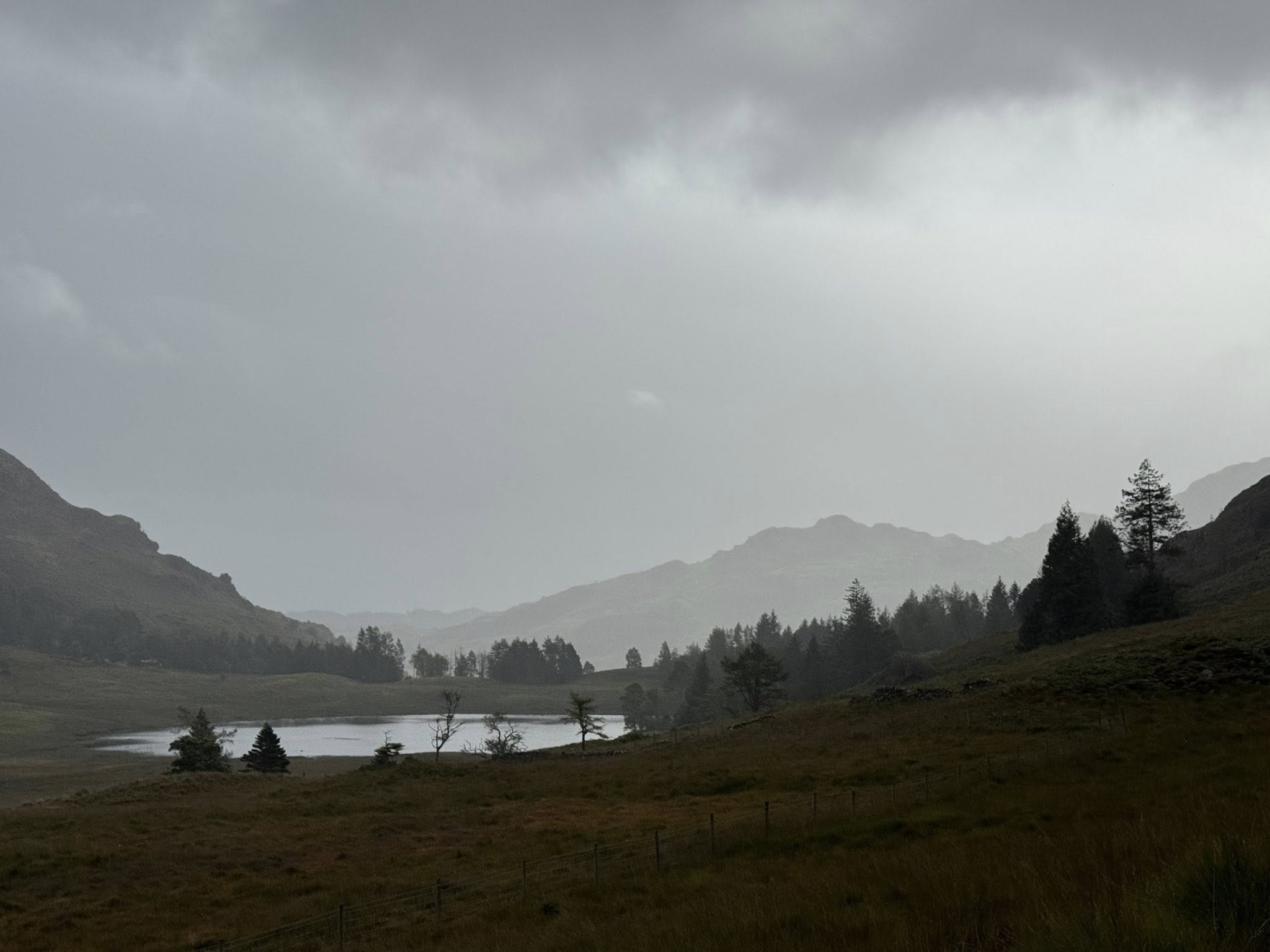
Believe it or not, this was at the same time as the previous photo, just looking back behind us, and where we would soon be headed! It’s true when they say they get 81 inches of rain per year here…for perspective, Vancouver gets 54”.
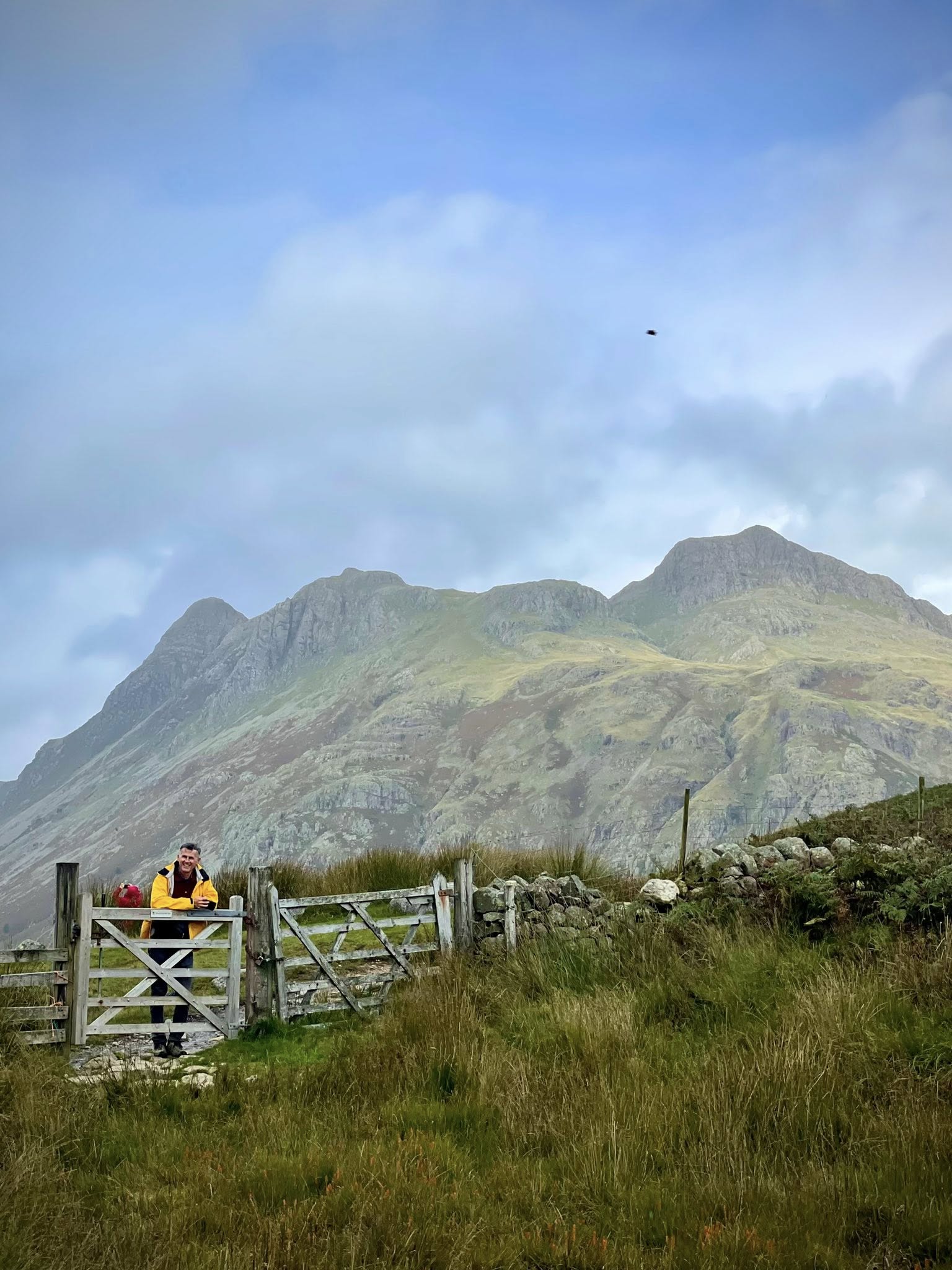
Thankfully he’s an engineer and could easily noodle through how to open the gate!
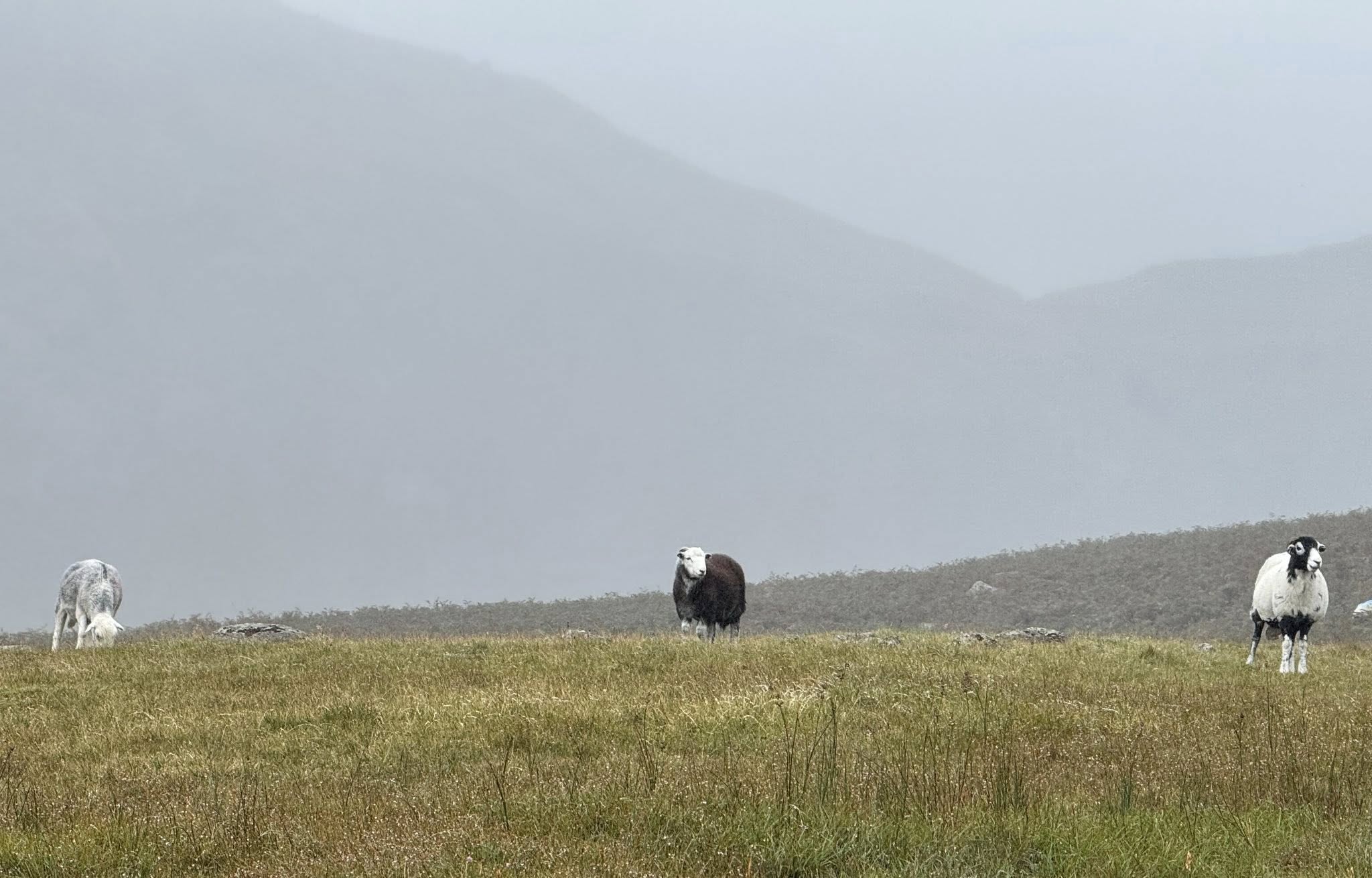
Herdies on guard.
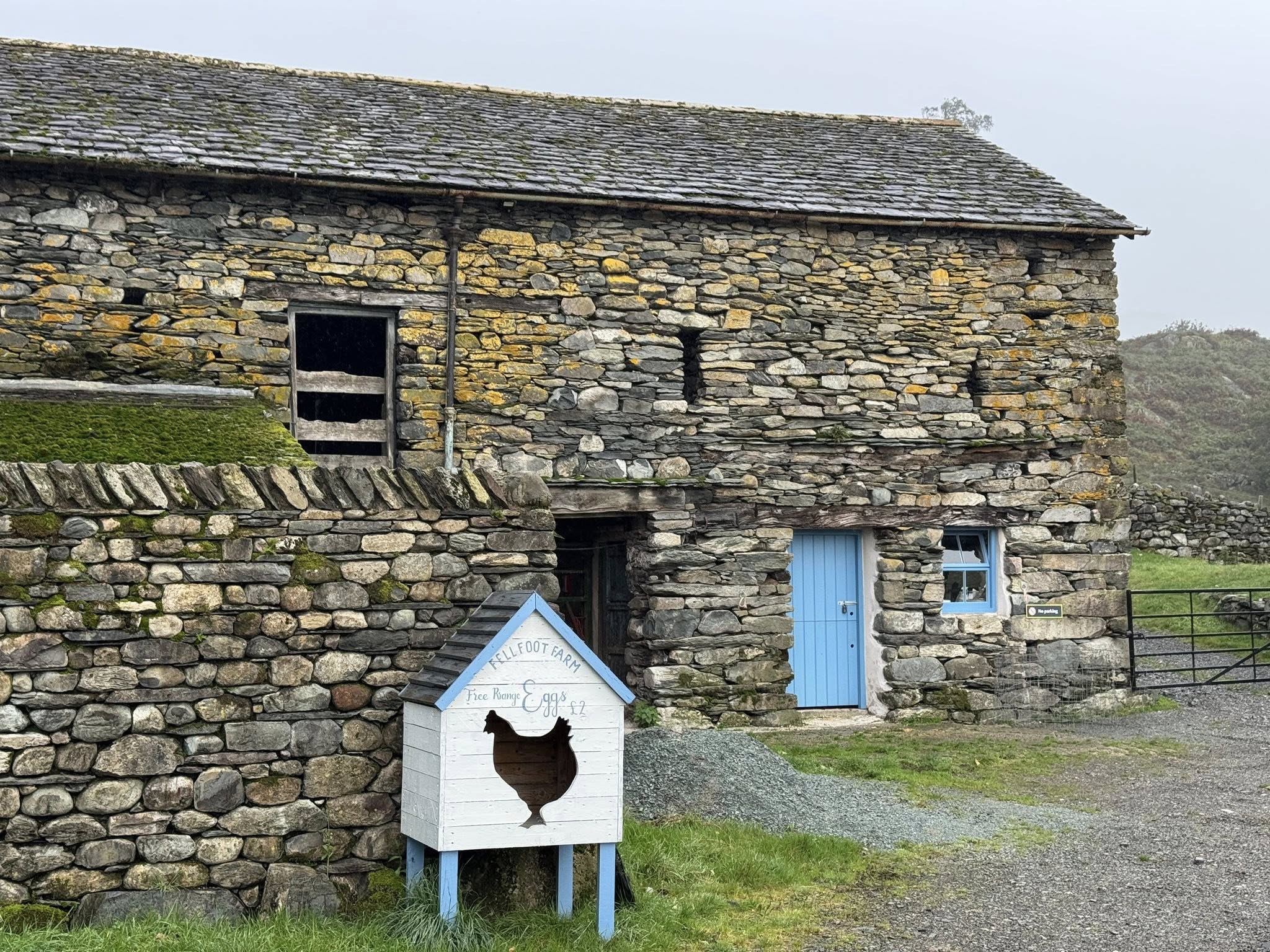
We passed a little farmhouse with eggs for sale. Sadly, we didn’t have £2 with us to slip in the jar tucked inside the egg “shop”.
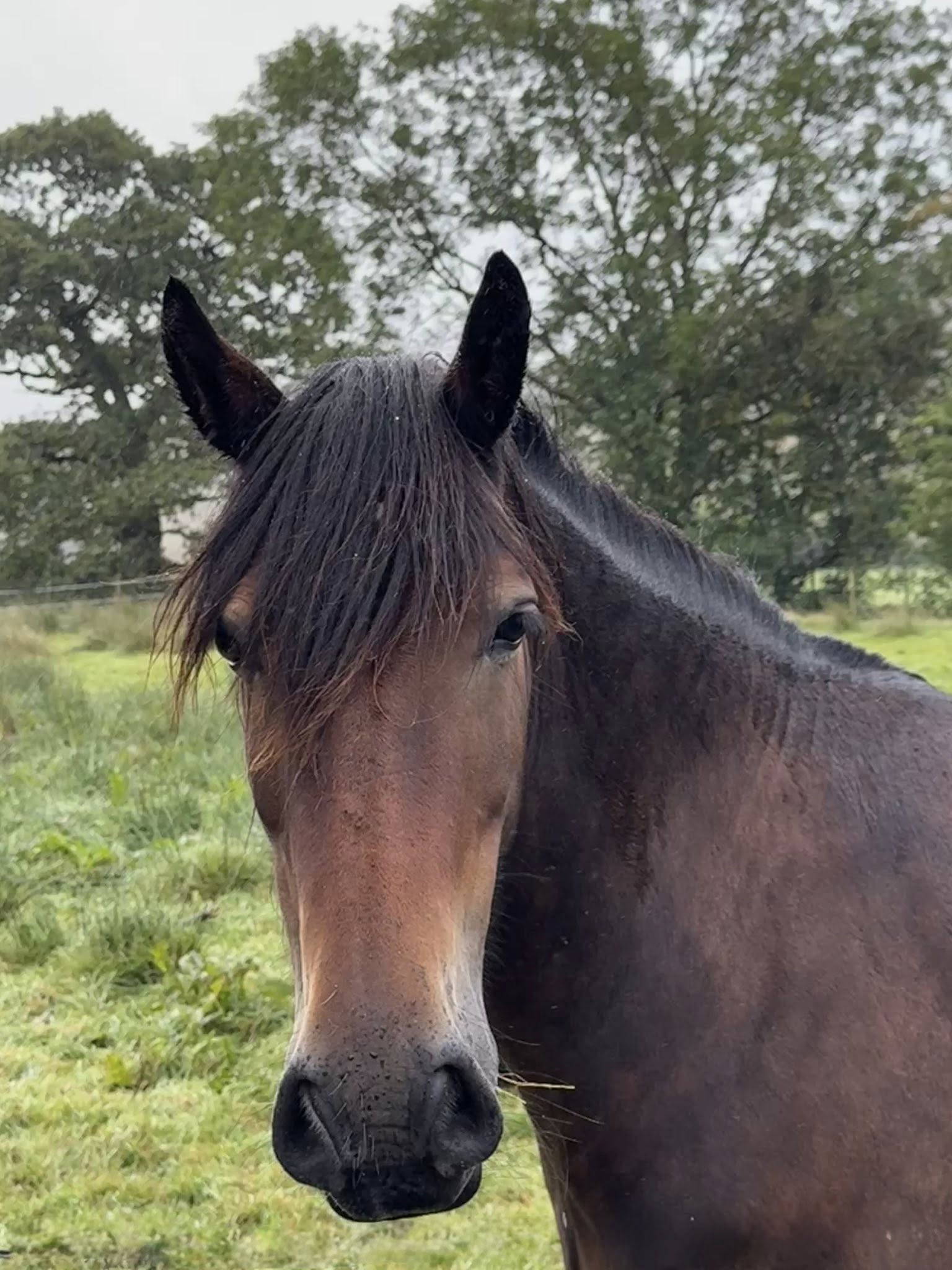
She looks runway ready…except for the little piece of grass sticking out of her mouth…the horses’s equivalent to spinach stuck between the teeth.
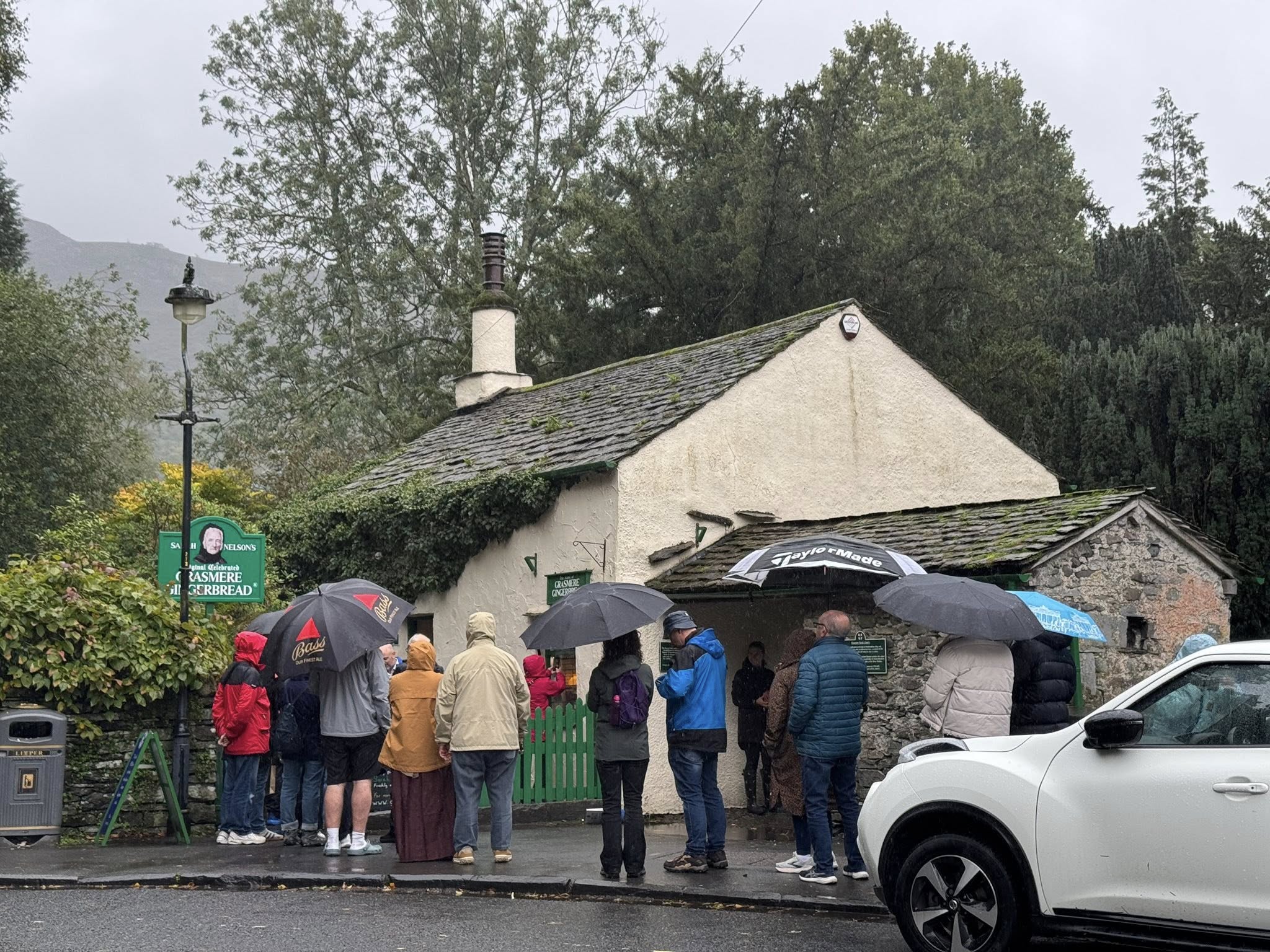
When you find people lining up in the rain and they are not Gen-Z following a TikTok trend, you absolutely join the queue!
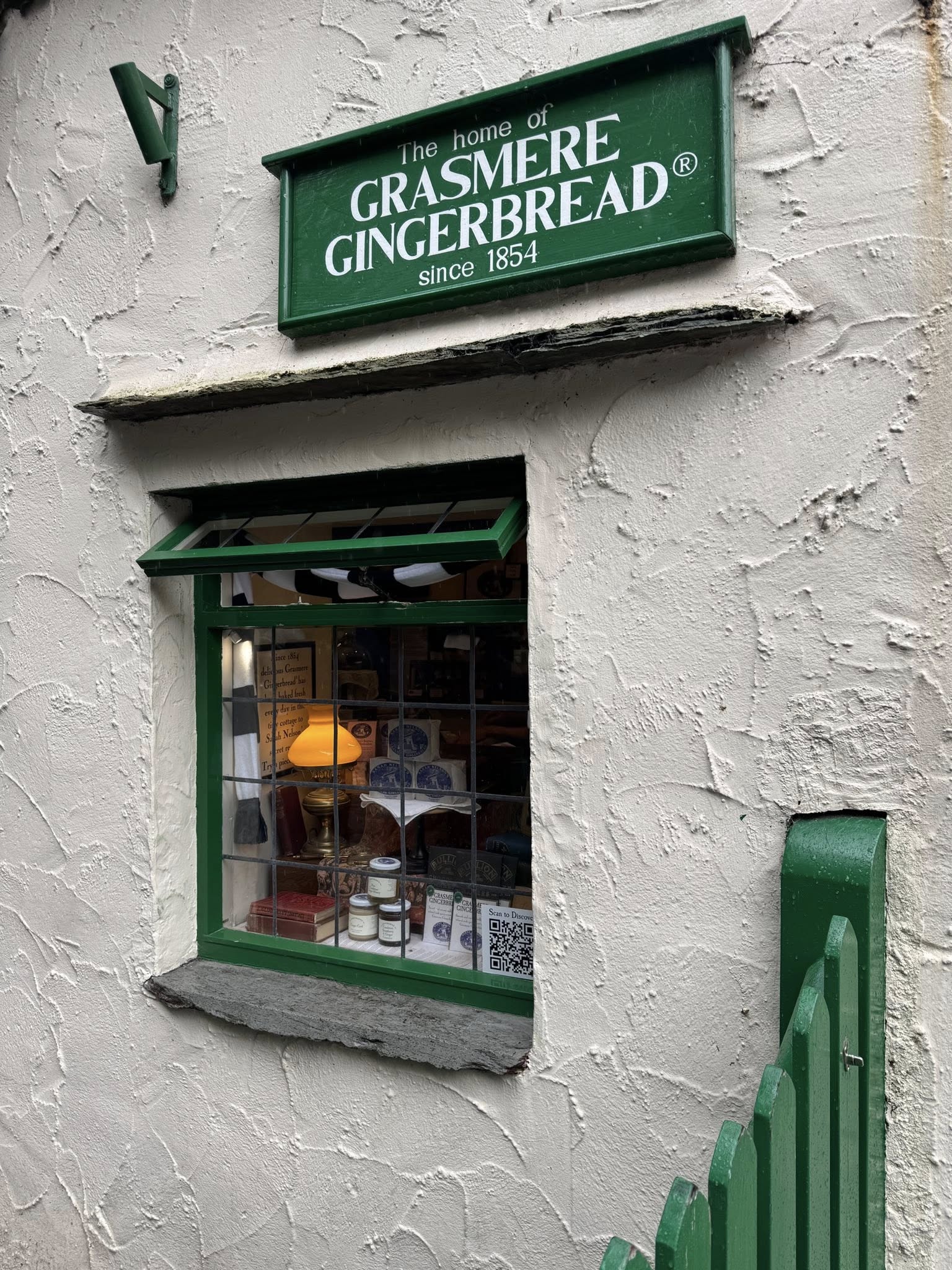
…especially when, as we discovered, it’s the famous Grasmere Gingerbread shop! This was the most moreish gingerbread I’ve eaten. Moreish is a new word for me and will now enter my regular lexicon. It’s a British word that describes food that is so good you want to keep eating more of it! But in order to do so, I’ll have to come back here as Sarah Nelson’s 150-year-old recipe is so secret, it’s locked away in a vault! Sarah was born into poverty in 1815 and at the age of 12 started work as a servant. By 1850, married with two children, Sarah was working as a cook and invented her famous gingerbread. She struck out on her own and started her business in 1854, selling gingerbread wrapped in parchment paper (it still is sold this way!) from a tree stump in front of her cottage. The business since moved indoors and 170 years later, there I stood in line to buy Sarah’s gingerbread, just like the droves of Victorians of the 1880s who came to Grasmere to see Wordsworth’s grave in the church graveyard next door. If not for Wordsworth’s influence, Sarah’s business would never have become what it is today!
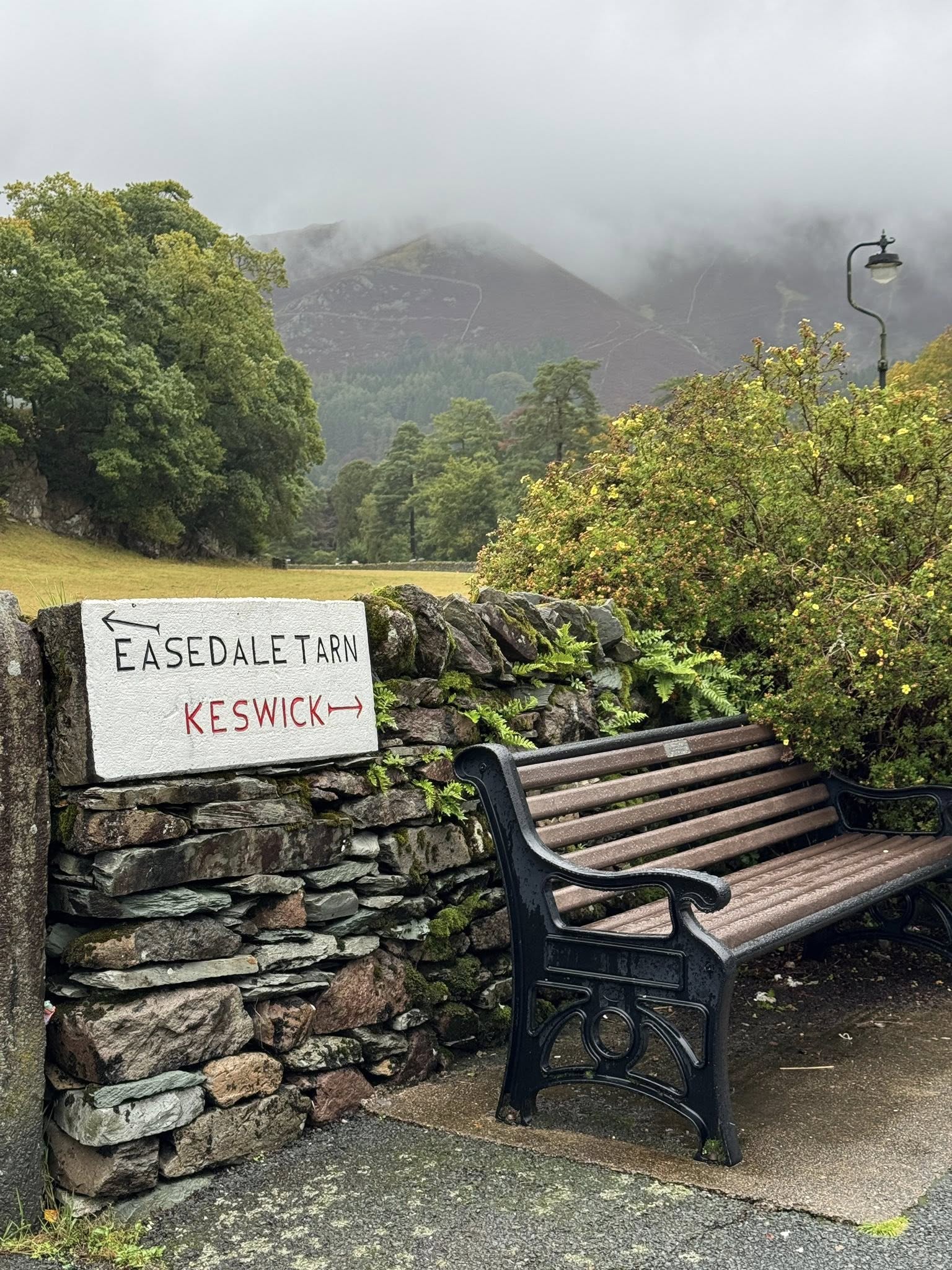
Sìmple signage for hikers.
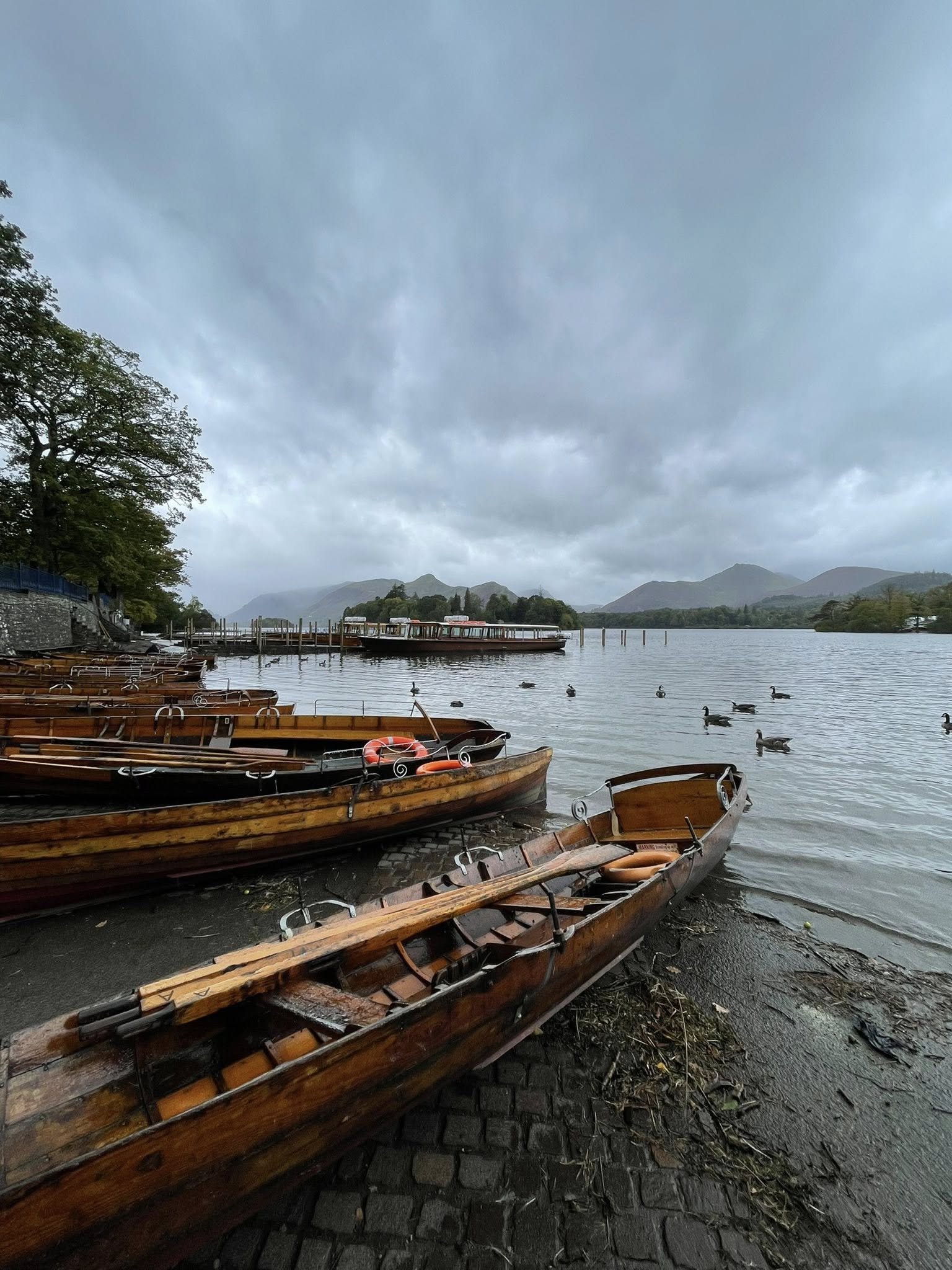
Lorem ipsum dolor sit amet, conse ctetur adipisicing elit, sed do eiusmod tempor incididunt ut...
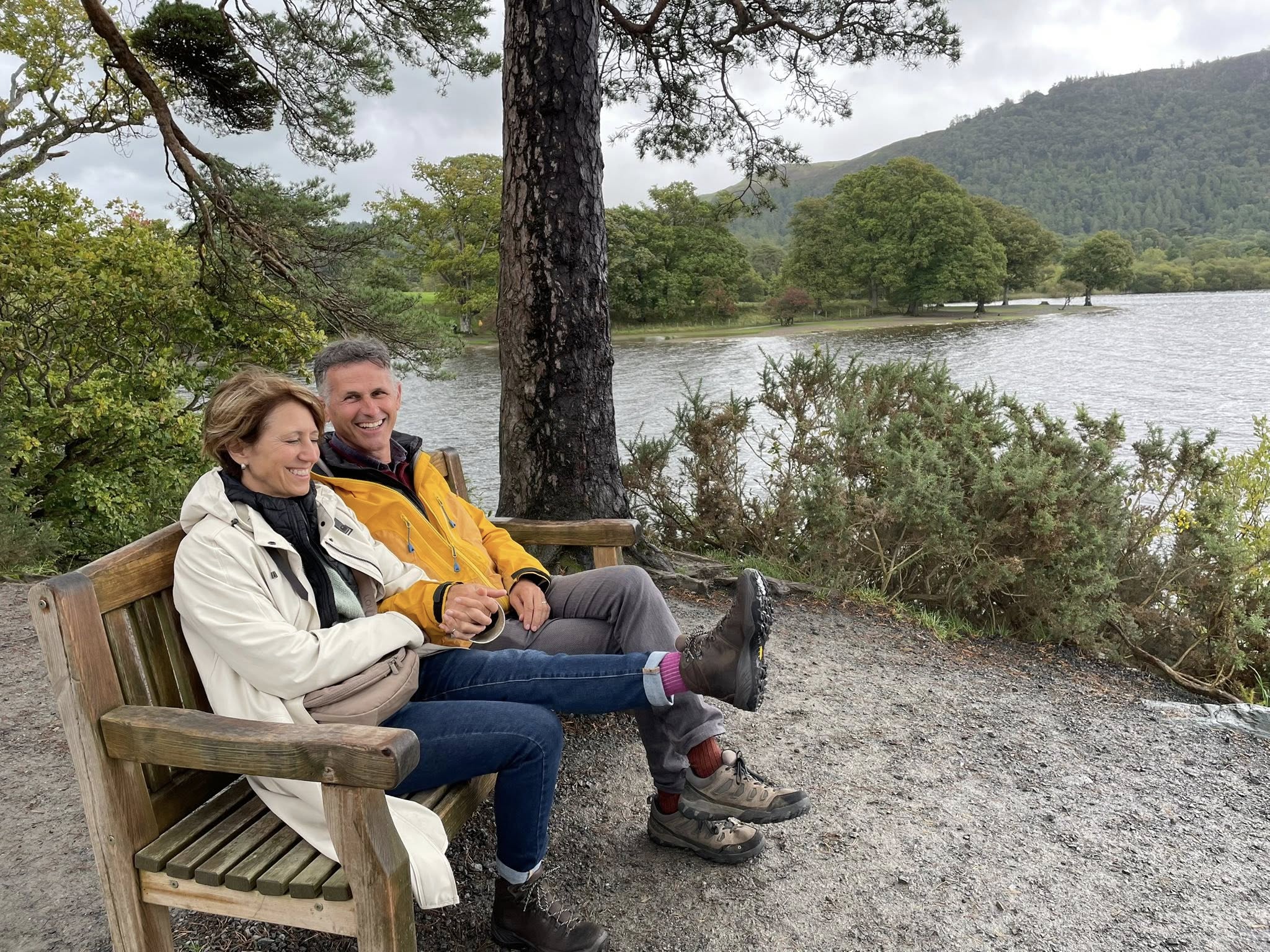
I got new kicks! My trail shoes were shockingly unsuitable for hiking in the rain.
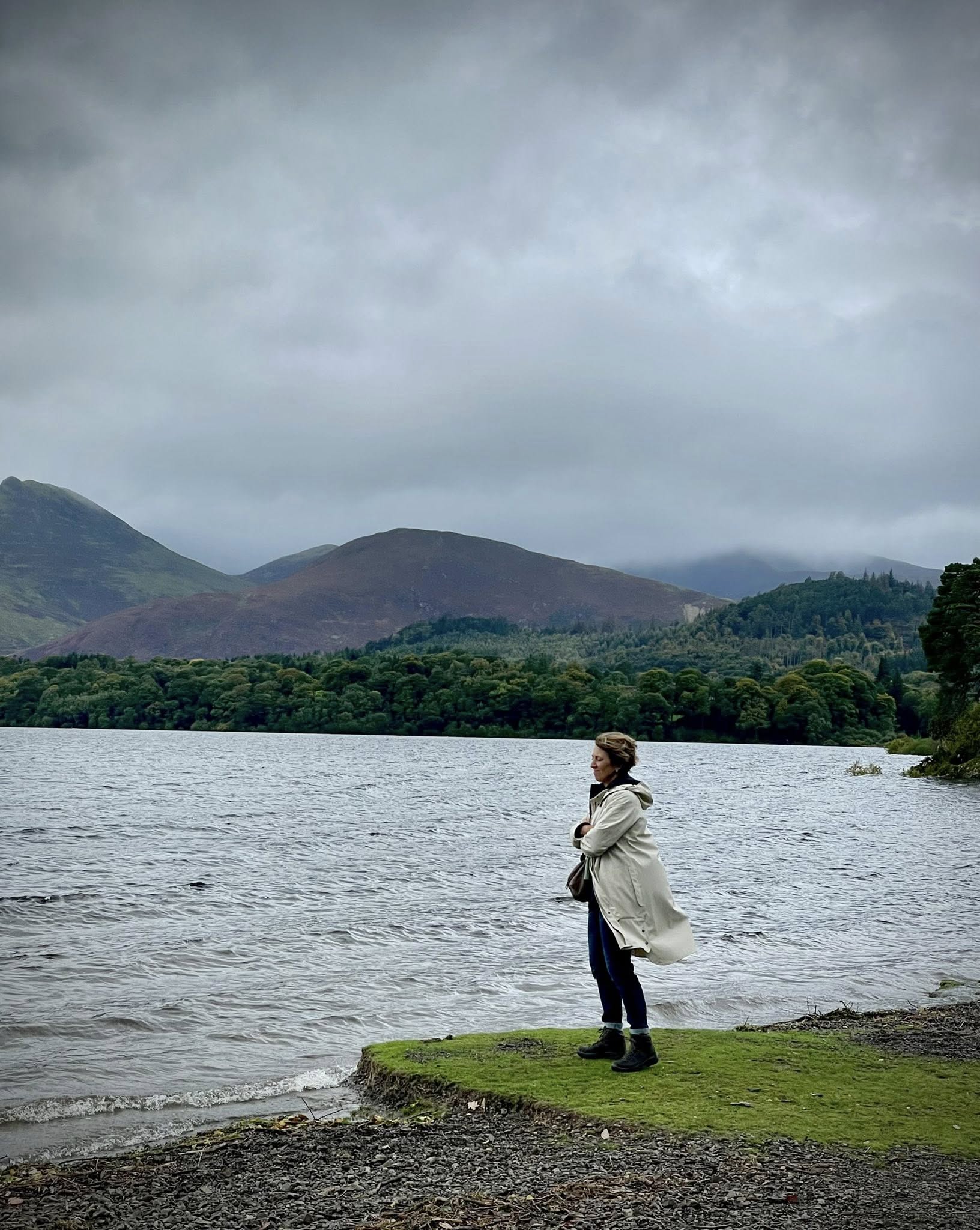
Windy day on the shores of Derwent water.
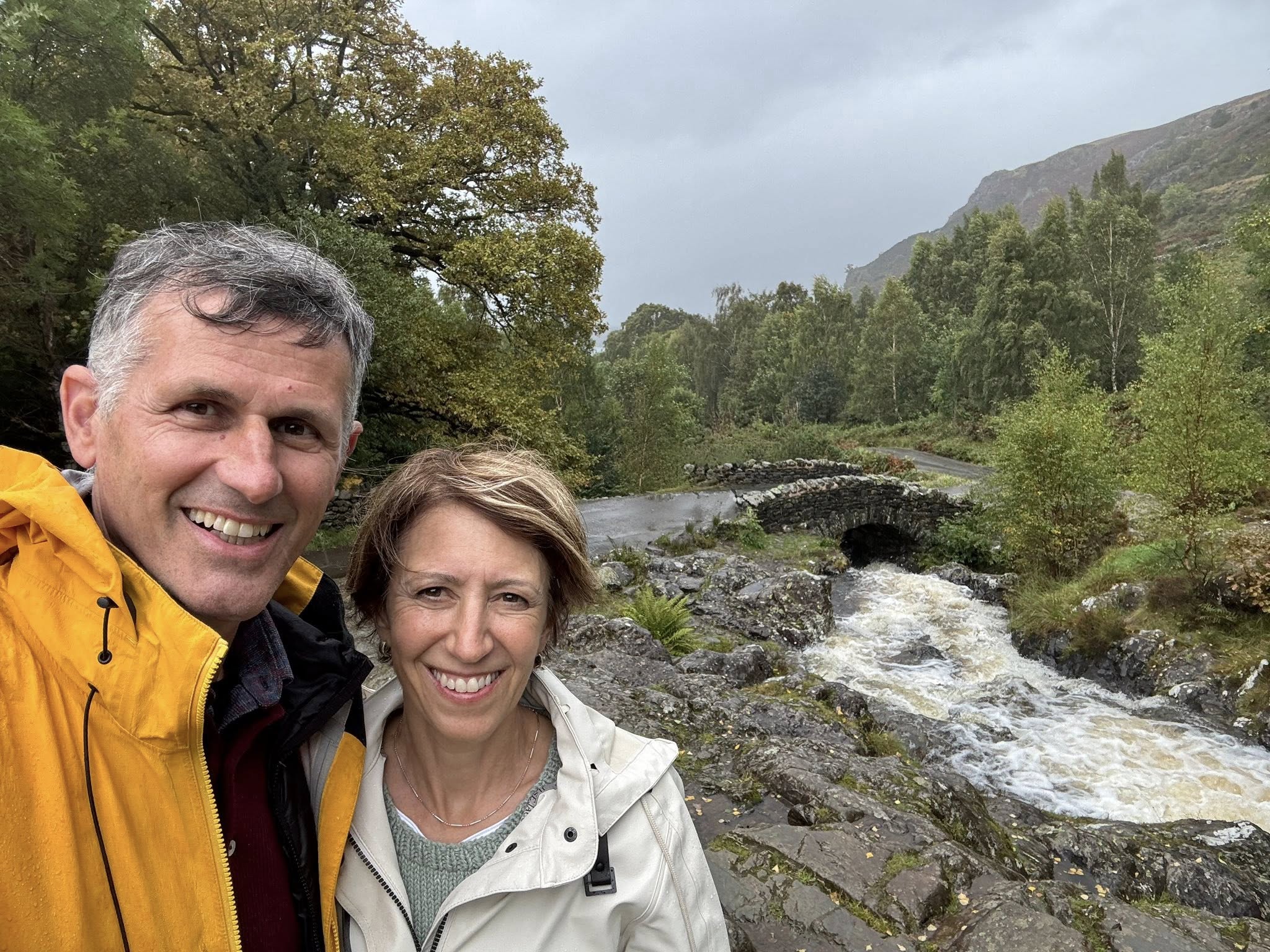
Ashness Bridge near Keswick dates back to the 1700s. It’s a traditional packhorse bridge, narrow with low (or no) sides. Packhorses carried their heavy loads in packs that bulged out on both sides of their body. The low walls were designed so that the horses could cross without getting stuck if their loads were wide.
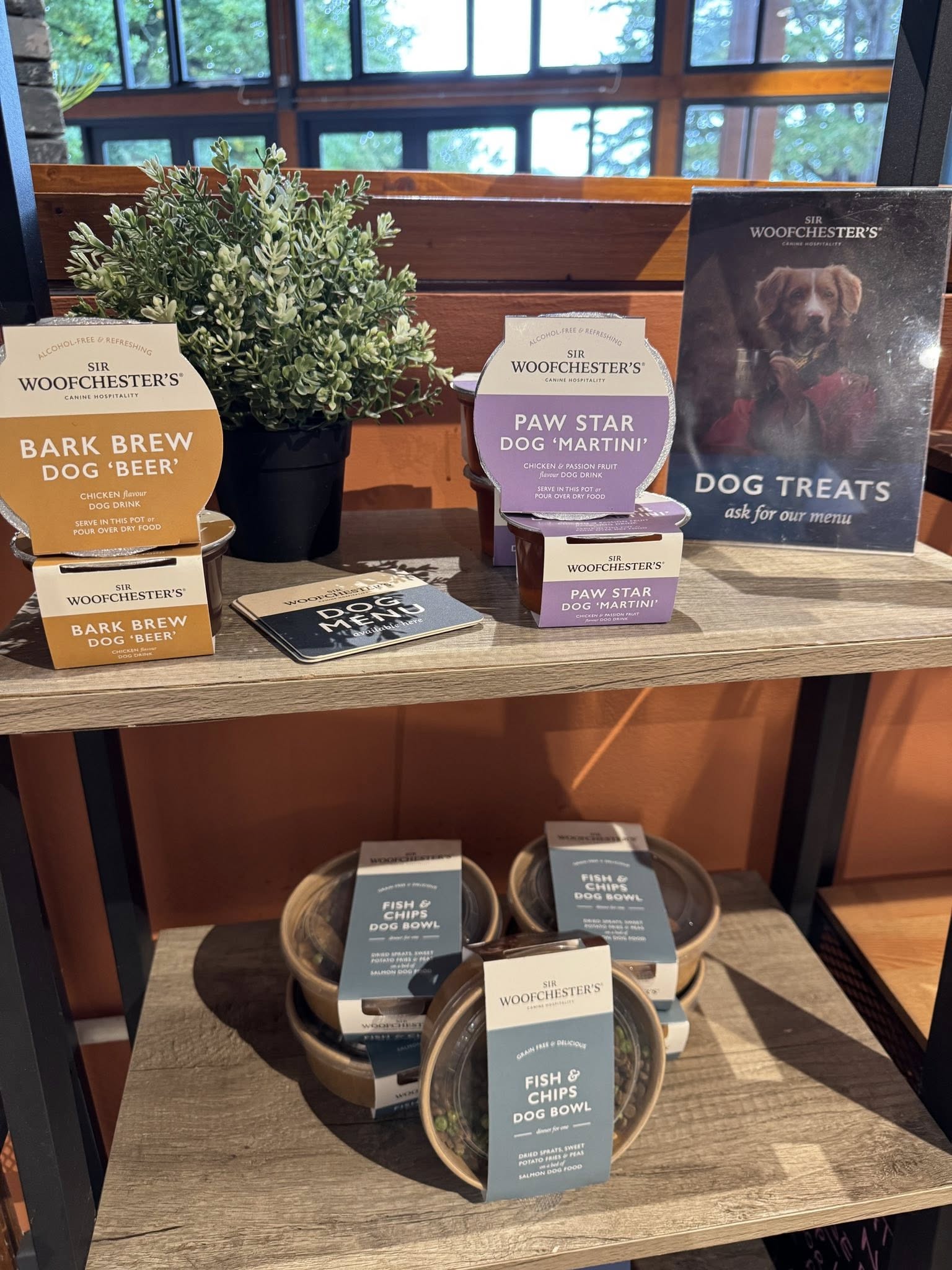
Dogs are welcome everywhere here! And there are plenty to welcome, to the point that they have their own dog-riffs on human beer and cocktails! Can’t leave the pooch out of the fun!
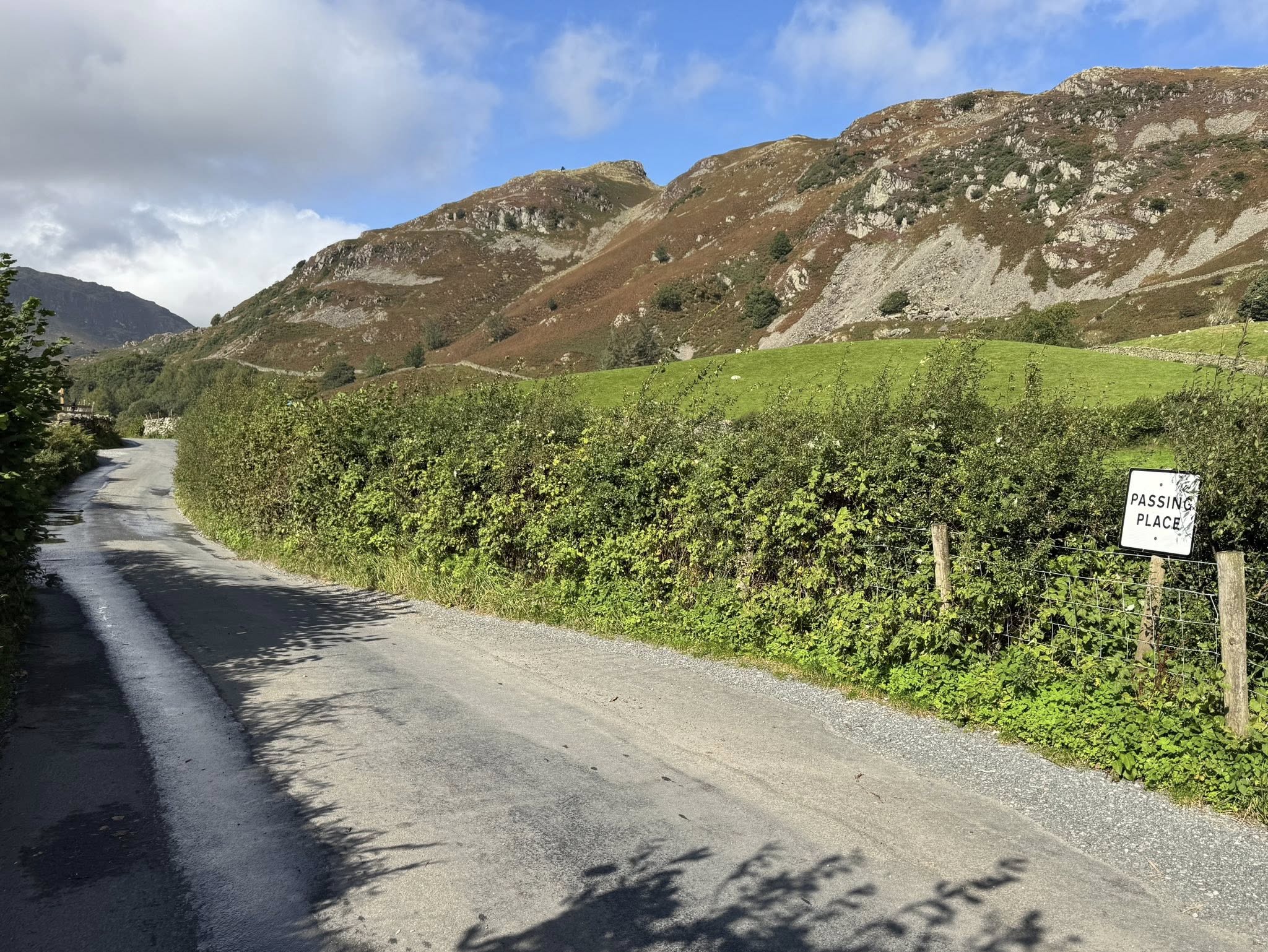
A little bit of driving aid for the narrow, country roads. Hopefully there’s a passing place at hand when you’re passing another car!