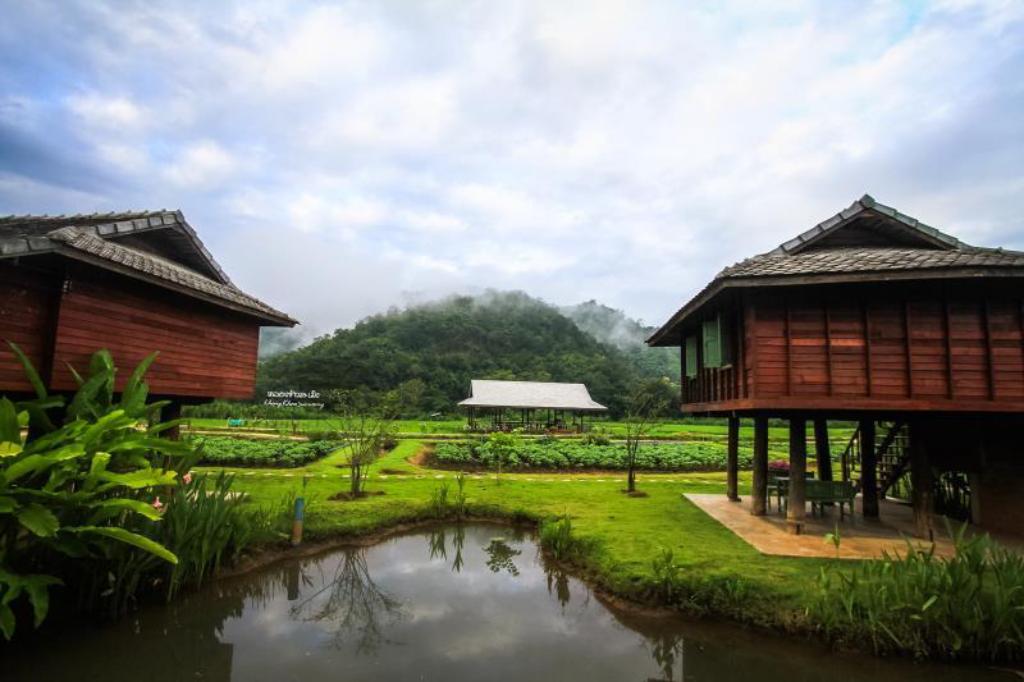
Karen Hill Tribe
An early start to the day to visit a Karen Hill Tribe community two hours deep into the mountains.
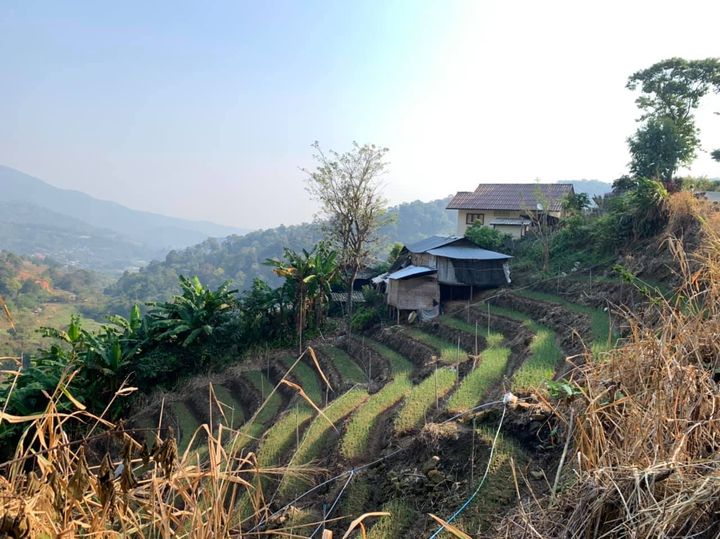
En route through a Hmong village. Here they are growing garlic. In an effort to stop the booming opium business in Thailand, the previous King (Rama 9) went to visit the hill tribes who were growing poppies and helped them shift to less nefarious crops. The peaceful hill tribes were happy to oblige when presented not only with an explanation of the problem but with a doable and practical solution. A classic example of respectful negotiations.
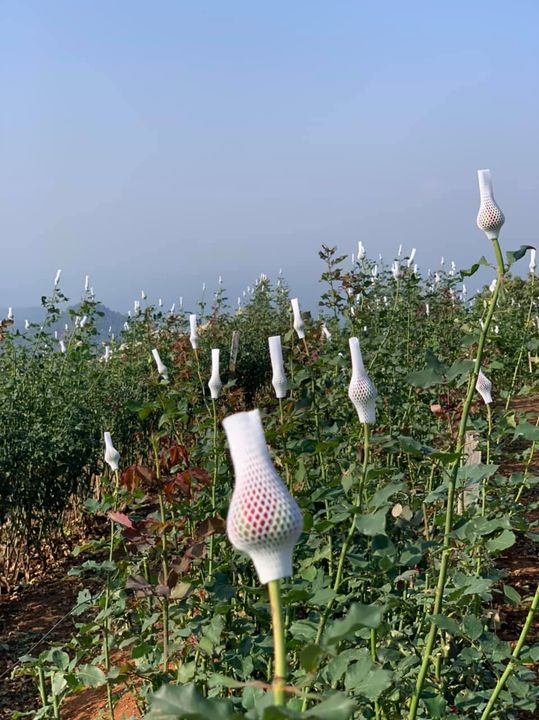
A rose farm run by refugees from Myanmar. Rows and rows of different coloured blooms kept intact and free of insects in their white foam covers.
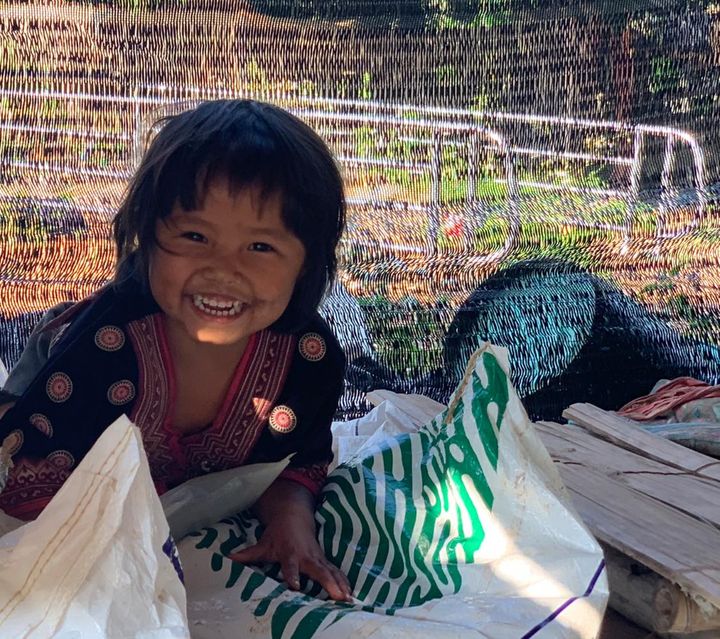
One of the rose farmer’s kids. She was stunningly sweet with an infectious laugh. Her older brother was a bit of a monkey, climbing up the support beams of the house and jumping the 8 or 10 feet down to the bamboo deck. The baby sat there crying perhaps shocked by the unusual looking people at his home. Not sure where the parents were...
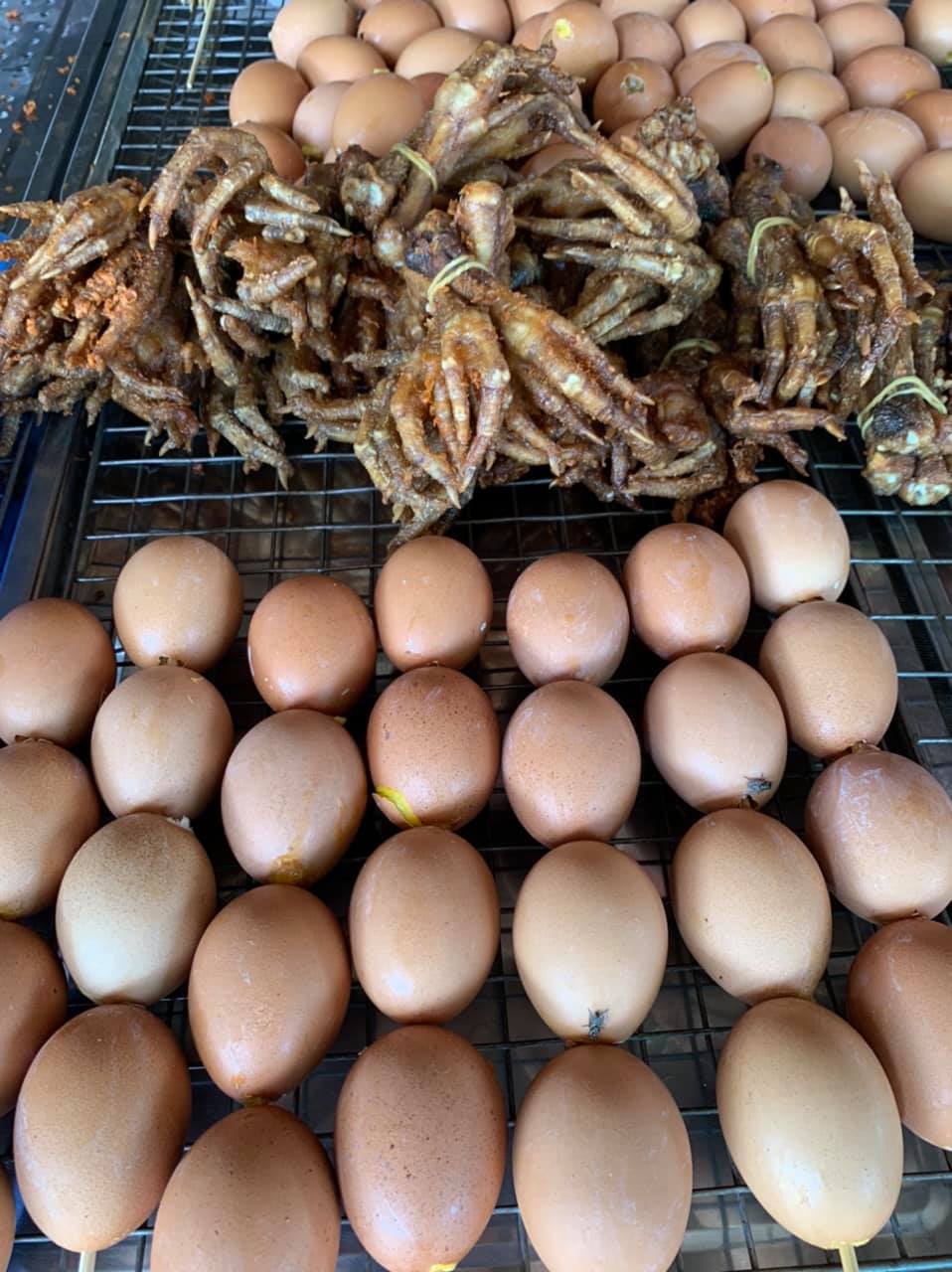
Which came first? A stop at the local market to buy ingredients for lunch.
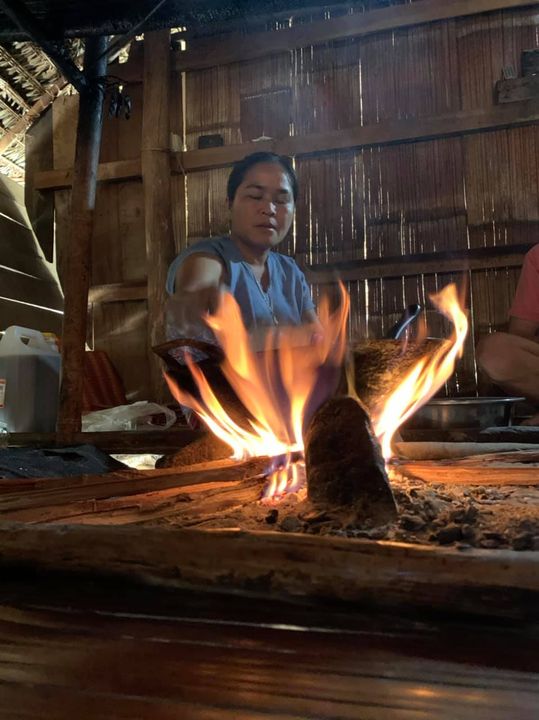
Our lunch chef getting the wok fired up. She cooks in the covered part of the back of the house. This is also where the family sleeps. Eating and lounging is in the front of the house.
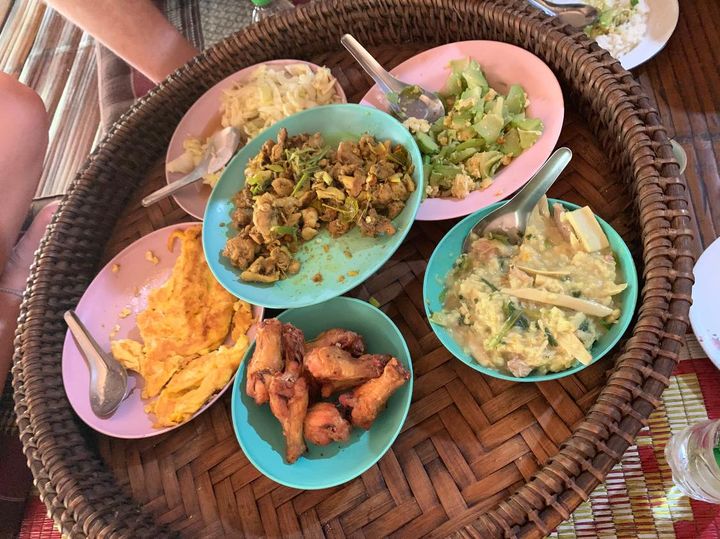
What an amazing lunch!
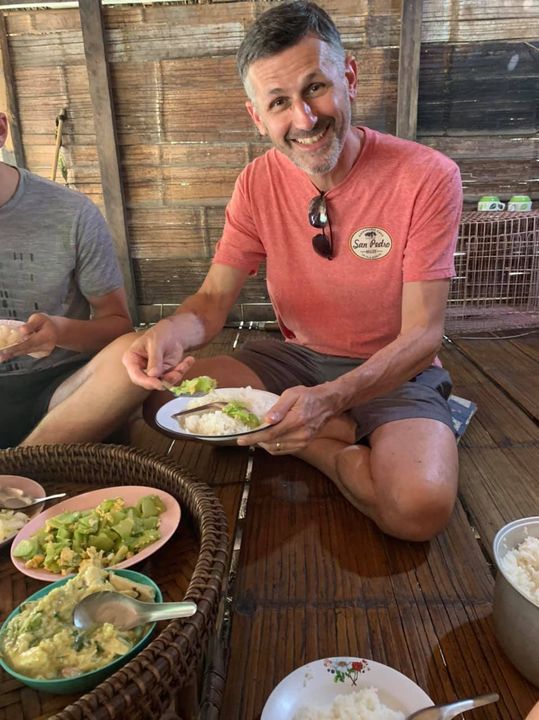
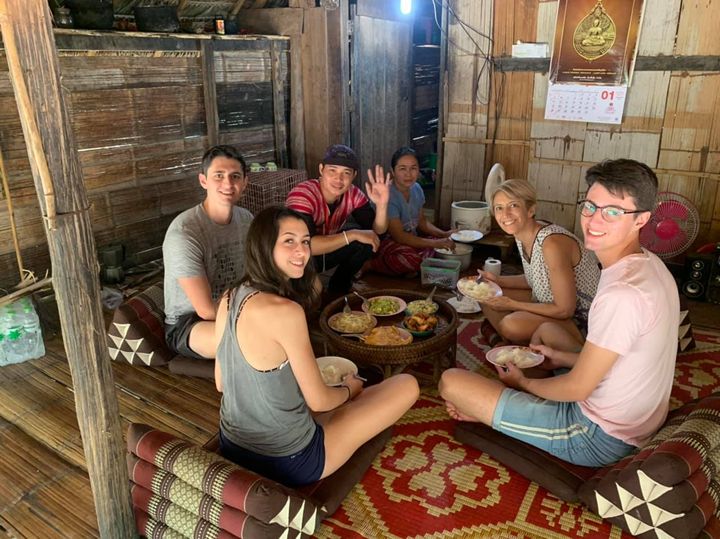
The dining room.
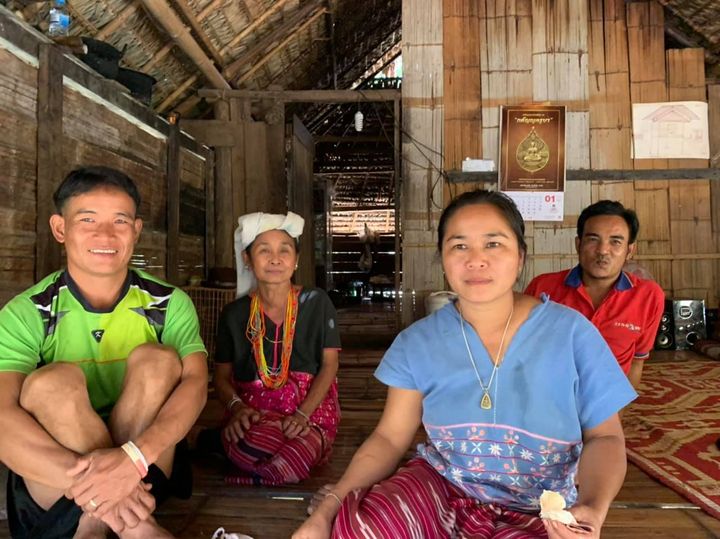
Our host family for lunch.
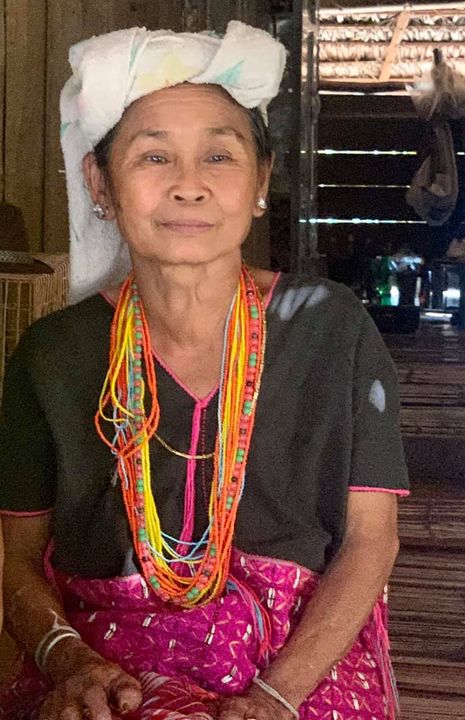
The most beautiful matriarch of our host family.
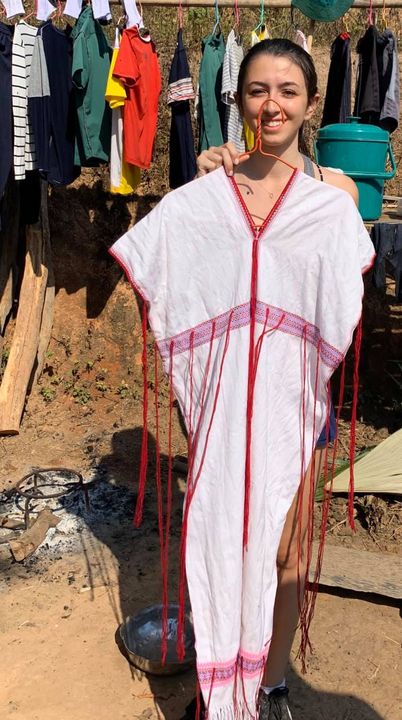
In the Karen tradition, unmarried girls wear a one piece white dress. Once married, women no longer wear white and they move to skirts and tops. You can distinguish the different tribes by their clothing. Each tribe has a particular pattern to their weaving.
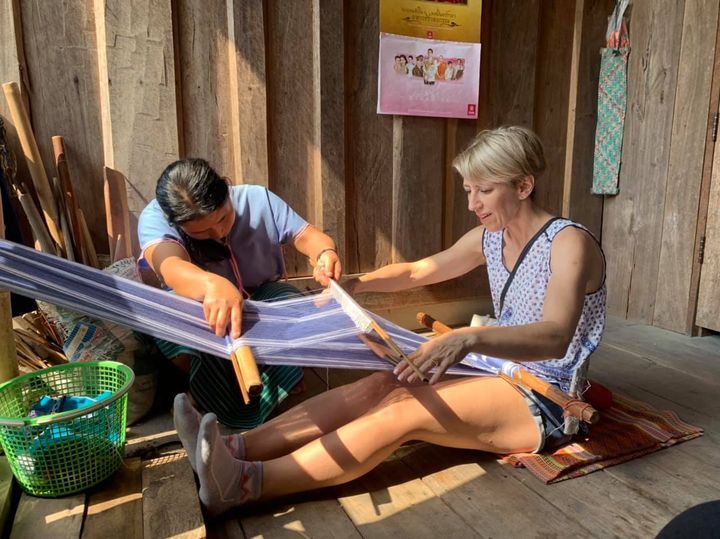
We met a lovely young woman (married as denoted by her clothing)weaving the cloth that she will then make into sarongs and bags destined for sale at the markets and shops in town. Now that harvest season is over and planting season is a few months away, she has downtime enabling her to focus on the weaving.
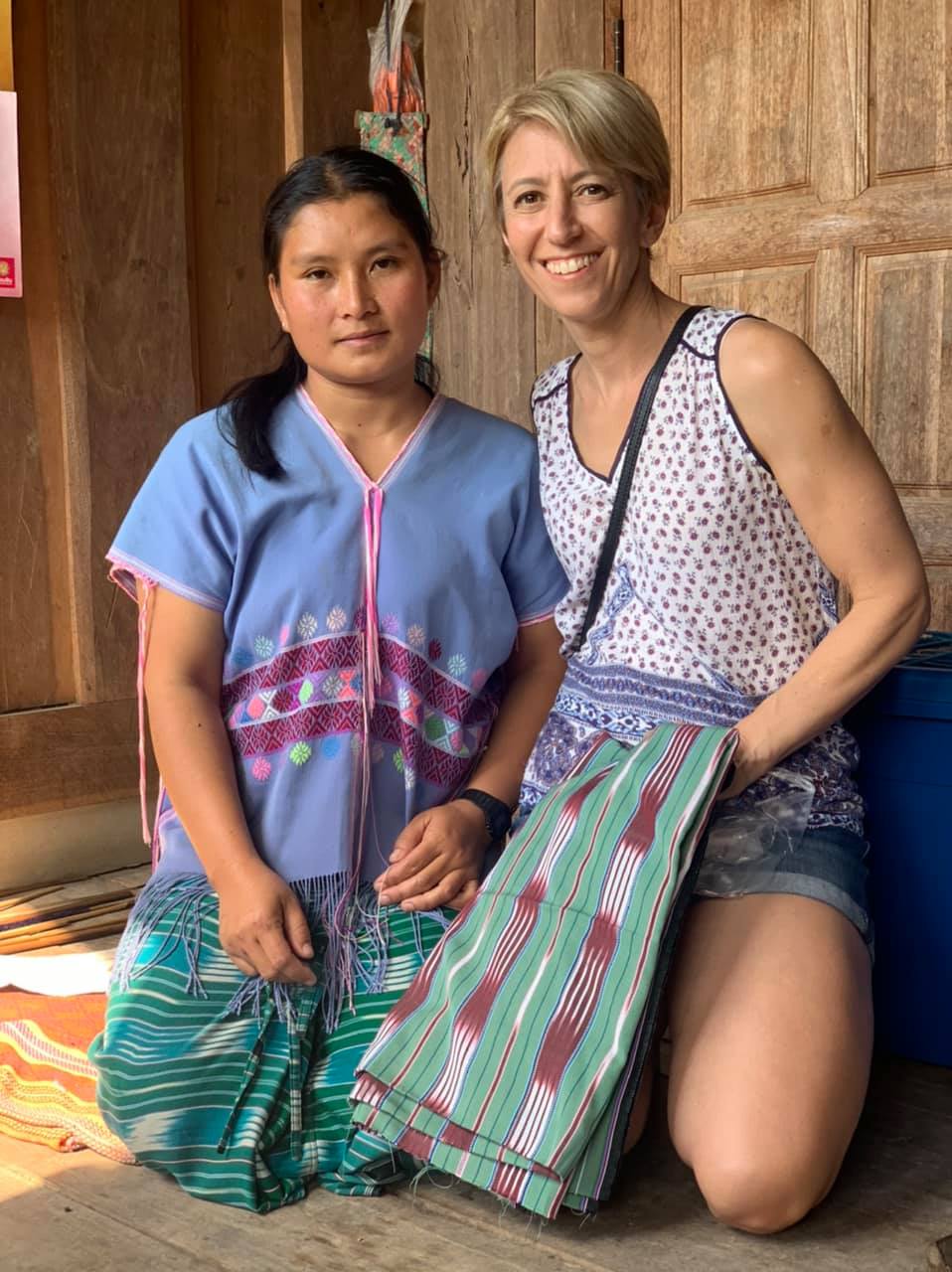
We bought this piece of fabric before she finished it into a skirt. It will her a week to weave this fabric. As a means of supporting entrepreneurship and small business in these villages, the government built roads, set up local markets and created distribution. This village got a paved road three years ago...and electricity one year ago.
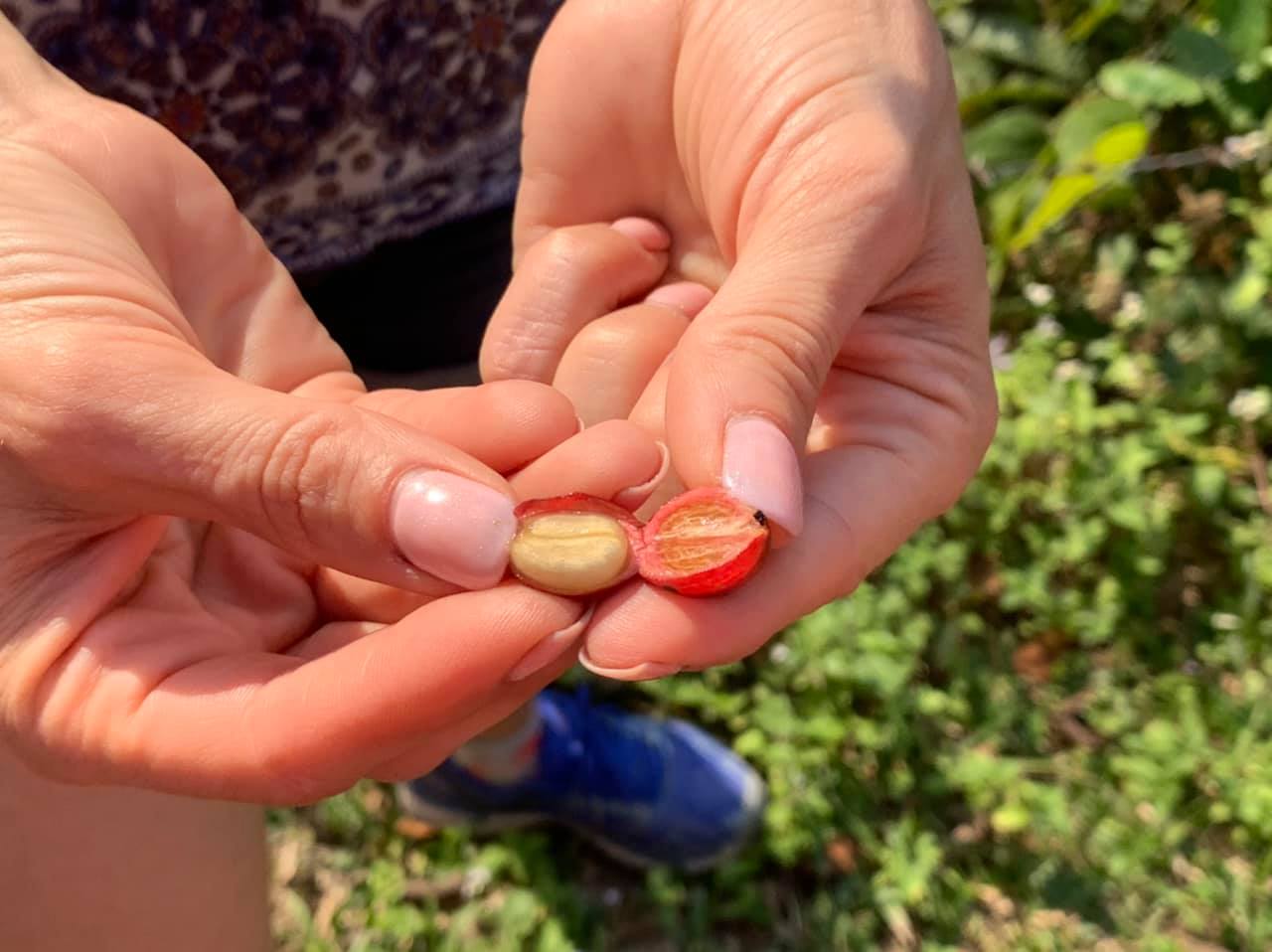
Some of the villagers grow coffee. This is the inside of the coffee cherry before it is picked, dried and sold to a toaster. The flesh actually tastes sweet!
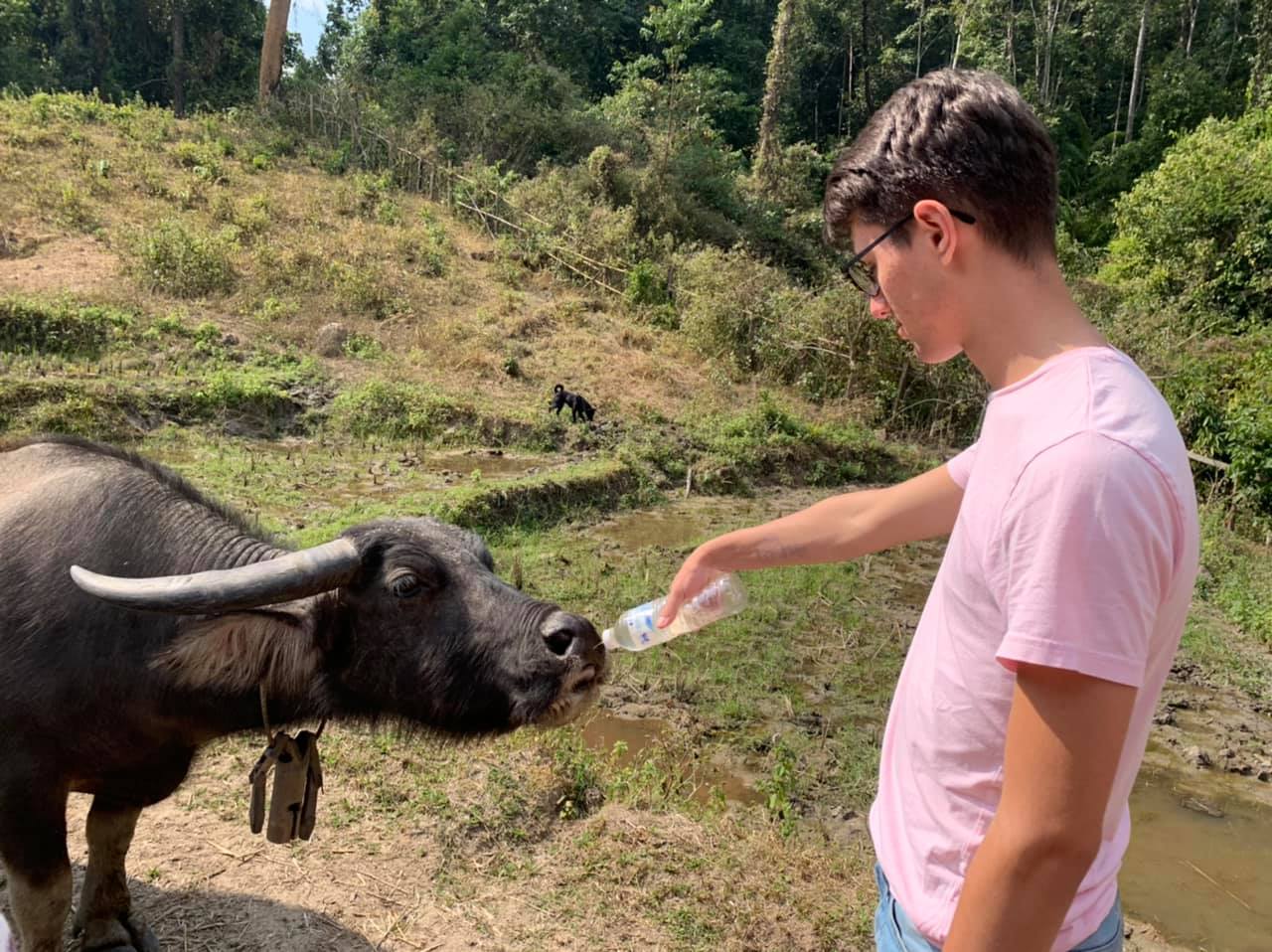
How to make friends with a buffalo? Feed it salt water. These buffalo are no longer field work animals. They are kept for investment (if the village runs short of cash, they can sell one) and for fertilizer. After the rice harvest, the paddies are planted with grass for the buffalo to graze...and fertilize in their natural way. While rice uses quite a lot of water to grow, it doesn’t pull a tone of nutrients from the soil. As a result, combined with all the buffalo fertilizer, these fields not not need to be left fallow to regenerate their nutrients.
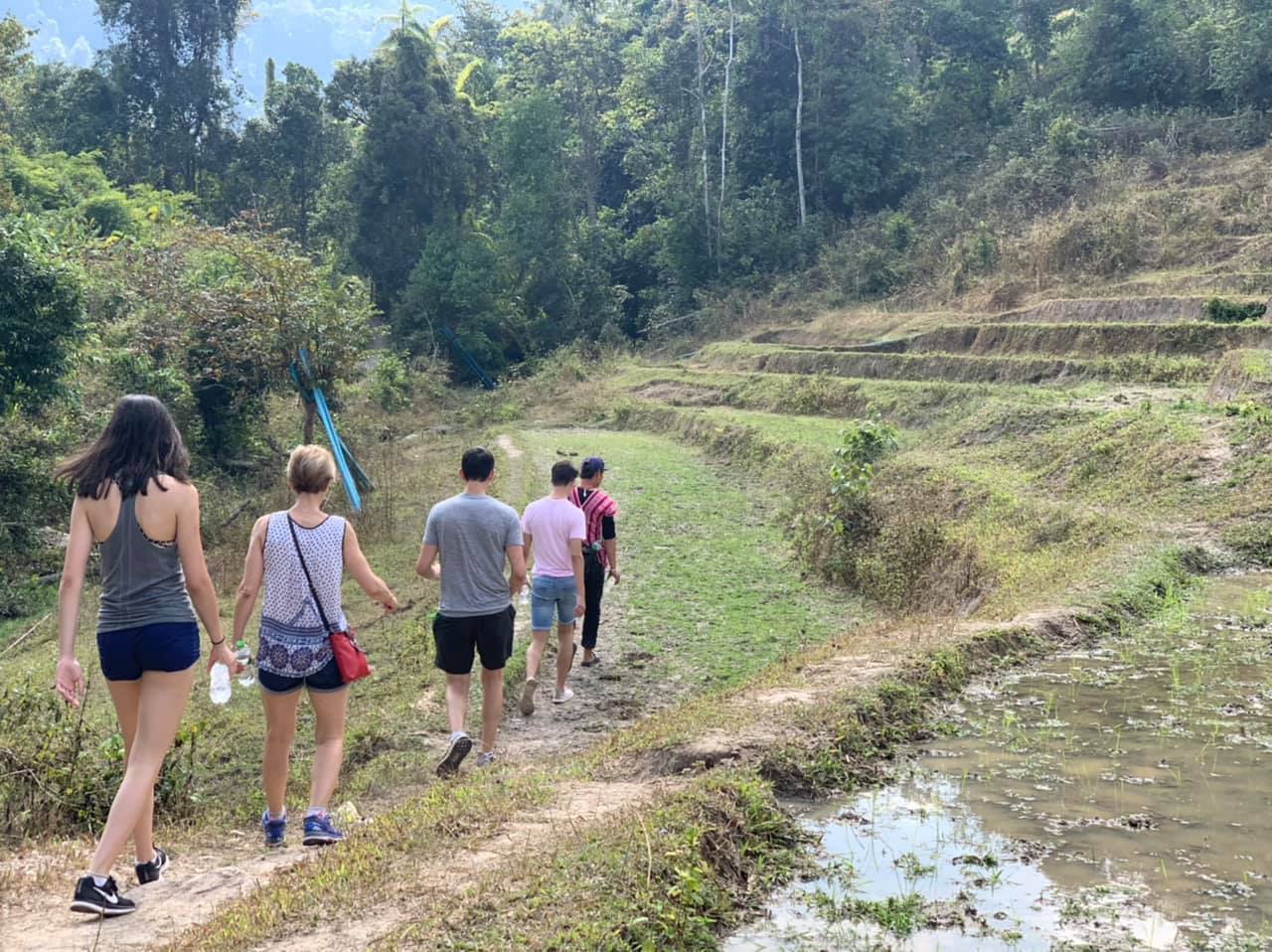
Heading off through the rice fields on a jungle hike with our guide Chai who is of the Karen tribe (but from a different village on the other side of Mount Inthanon, which is part of the Himalayan mountain range). The Karen people originally came from Mongolia, through China and then Myanmar before ending up in Thailand. There are some 400,000 Karen people in Thailand with another seven million who remained in Myanmar.
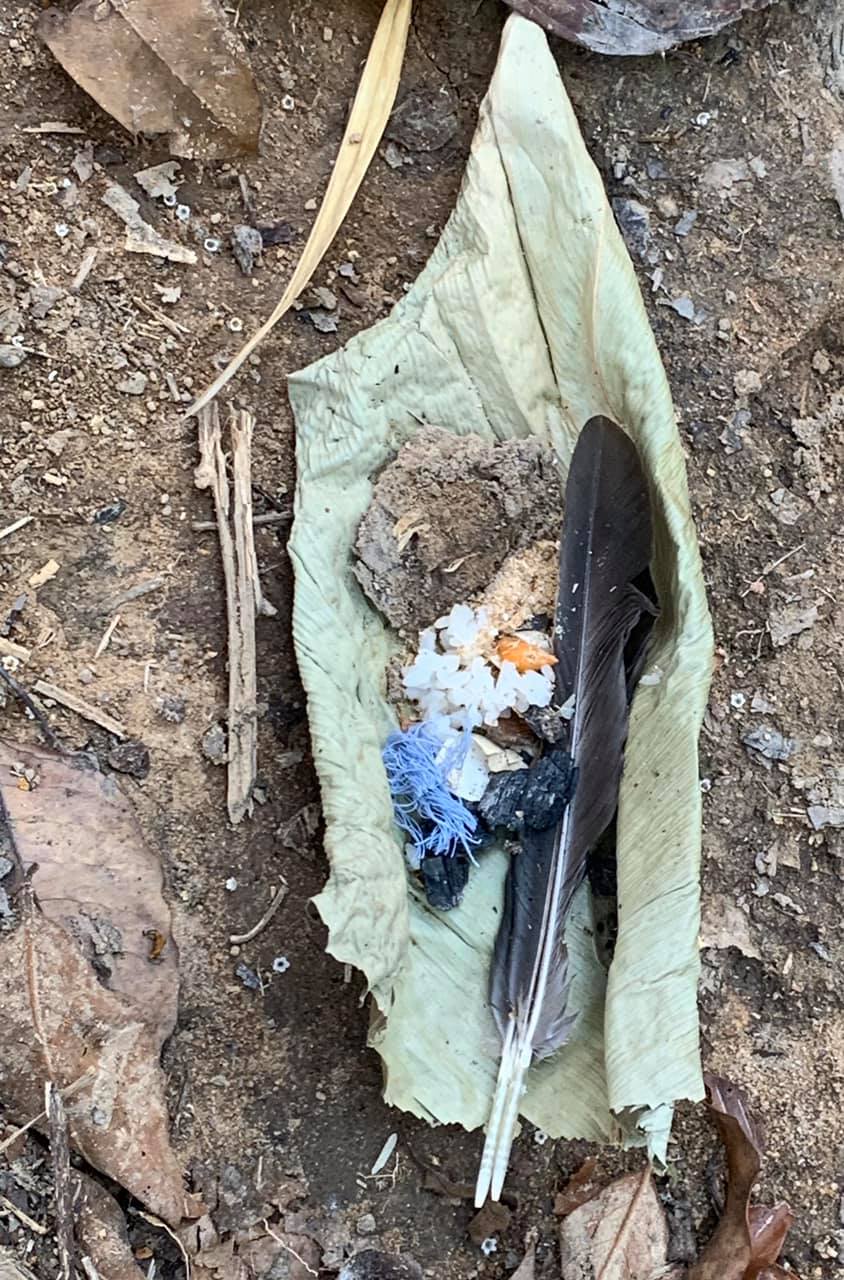
During our jungle hike, we came across this offering to the jungle gods. This was a villagers way of asking for forgiveness before setting out on a hunt.
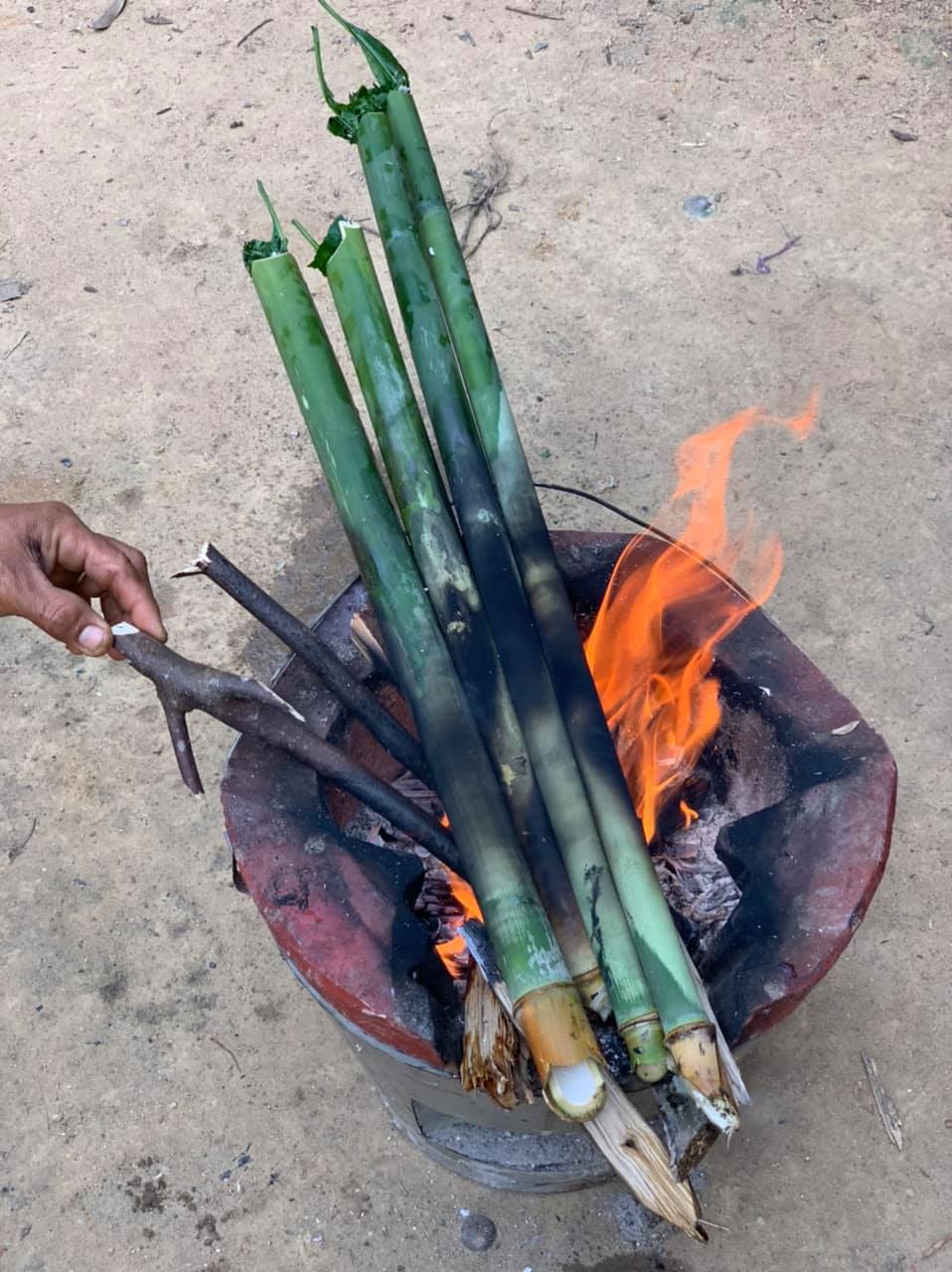
Neighbours cooking sticky rice in a special type of bamboo. They stuff the rice into the bamboo and soak overnight on coconut water. Then it is cooked over a fire before peeling the outside layers off to eat and enjoy! Very tasty.
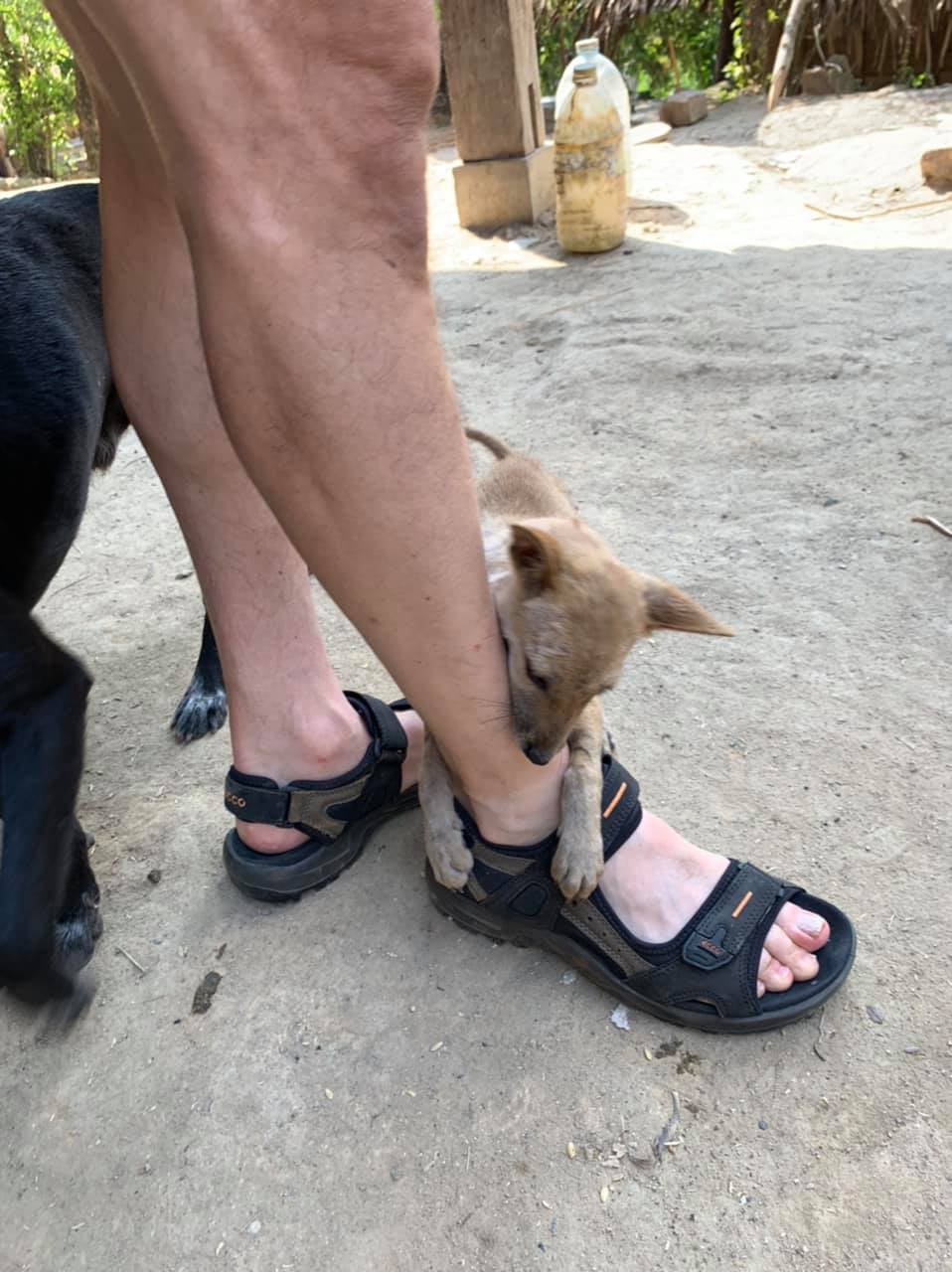
I guess the puppy knew Adam was not a dog lover...