April, 2026
Machu Picchu
After an evening in our stunning hotel in Aguas Calientes, we went back up to Machu Picchu (this time by bus snaking up the switchback road) to explore the lower part of this amazing place. We poked around where the elite lived and prayed and took care of important Inca business, before heading back to Cusco and a bit more altitude adventures.
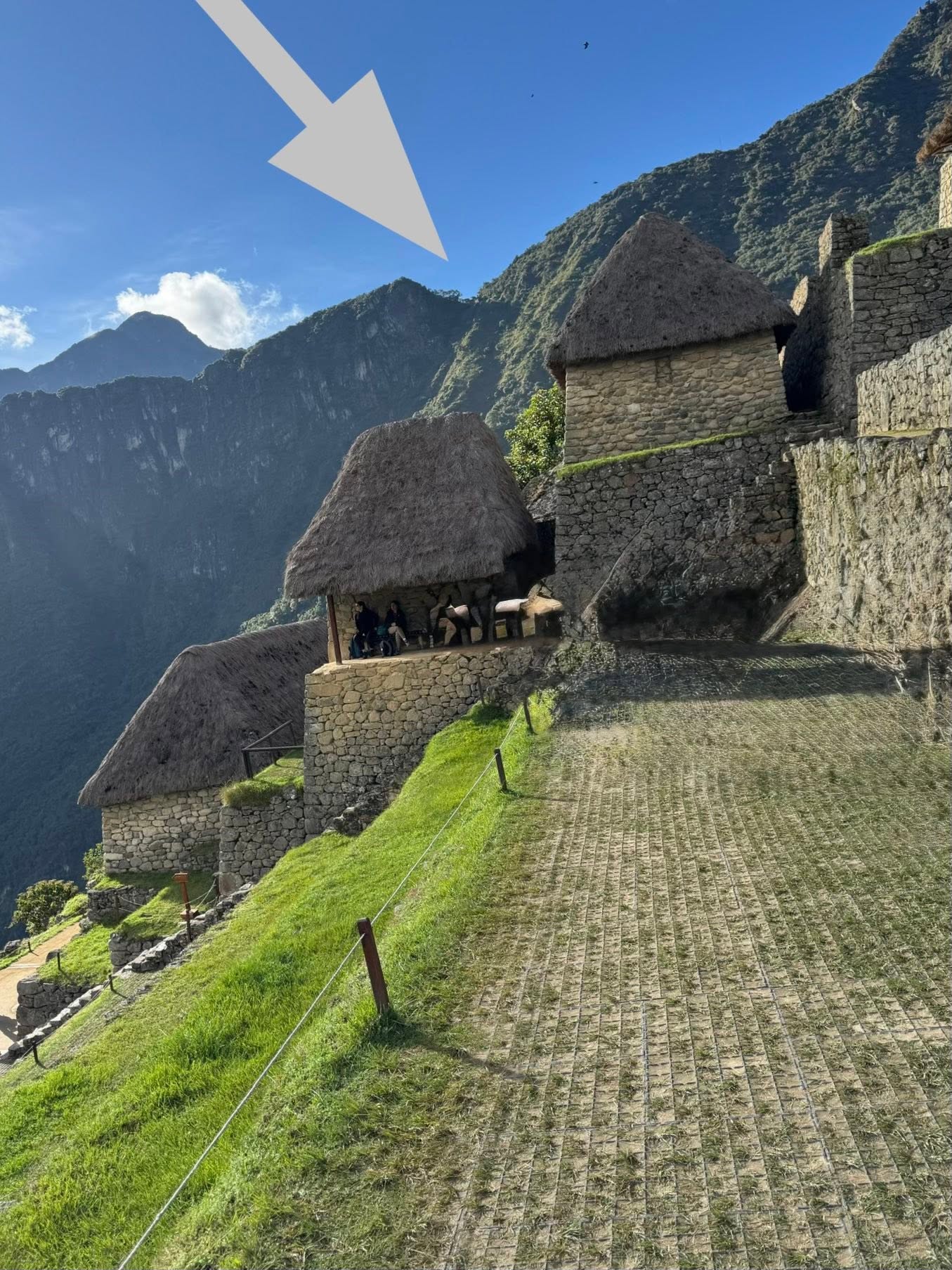
As we walked along the terraces, we could see the Sun Gate, where yesterday, we (and the pilgrims in the Inca times) entered Machu Picchu.
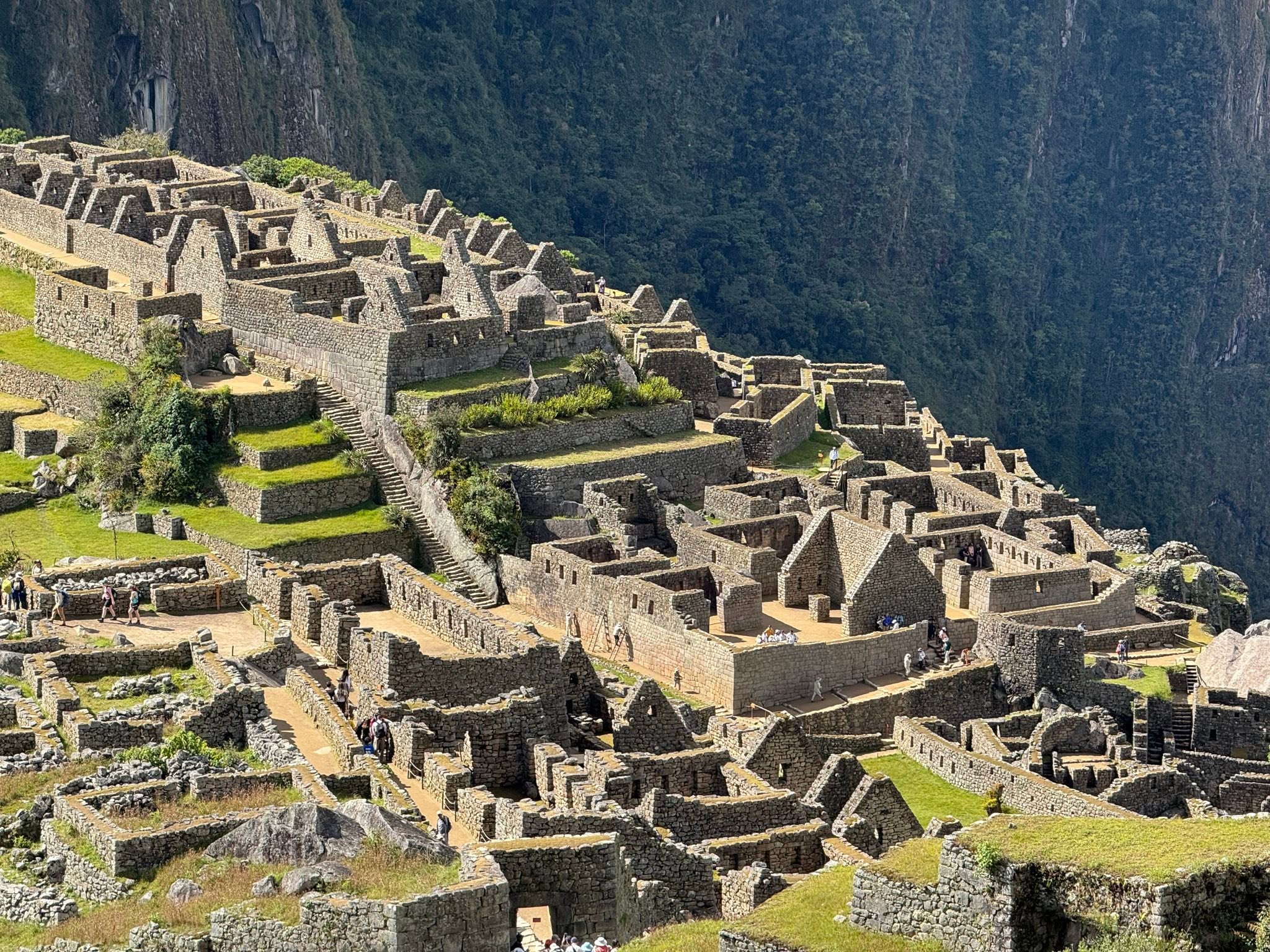
The houses of the elite, gathering spaces and gardens. Some houses were two storeys where windows in the upper level would have kept the food being stored well-ventilated. It looks like a real neighbourhood!
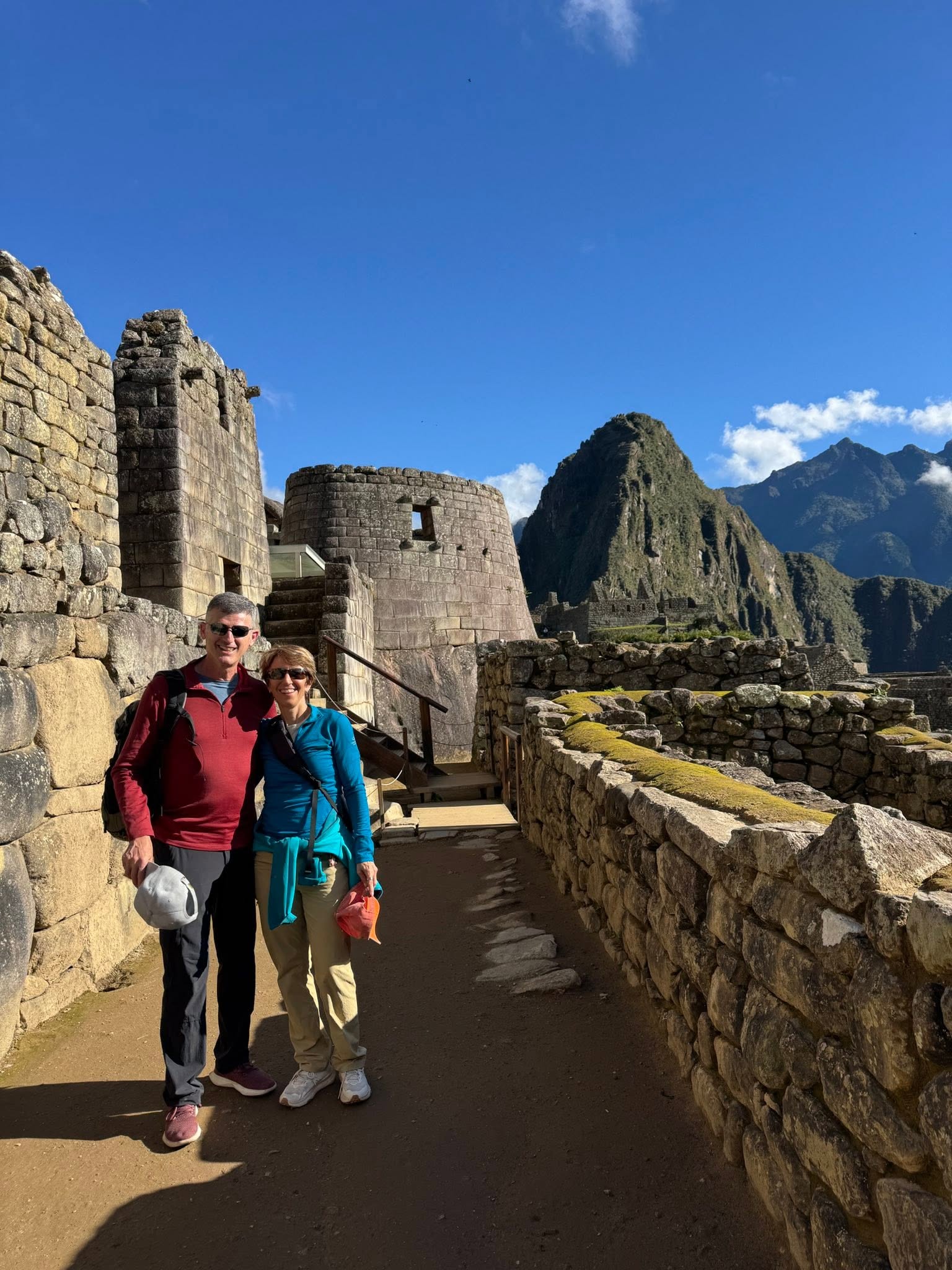
The Temple of the Sun is the most important structure of Machu Picchu. It’s the only circular building here and was built directly into the massive rock below it. Even though the Inca building methods were pretty earthquake-proof, the natural rock, as part of the mountain gave it extra protection against quakes. There were only two windows in the temple, each perfectly aligned for each of the solstices. One let in the light on the summer solstice and the other let in the light on the winter solstice.
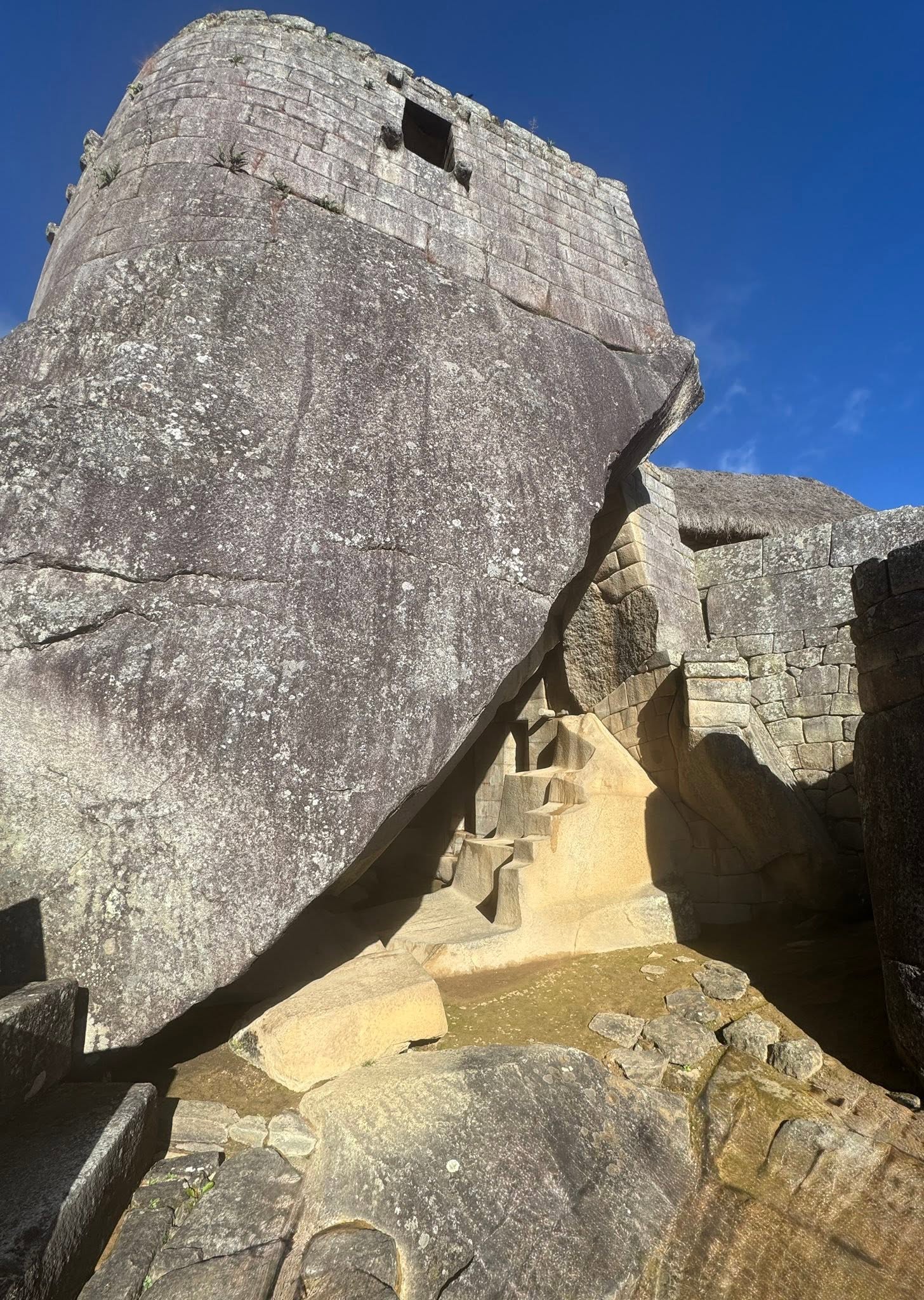
From below the Temple of the Sun, we can see not only the massive rock that it was built on but also the entrance to the Royal Tomb. We can’t go into this cave-like chamber carved into the rock but here archaeologists found the same perfect stonework as the Temple as well as niches and carved steps. They didn’t find any mummies (either saved by the Inca and taken elsewhere, or looted by Spanish invaders who came later) but they did find fragments of bones, pottery, and jewelry which would have been used for high-status burials.
Having the tomb below the Temple is a part of the Andean belief of the unity of the Hanan Pacha (upper world of the gods) and the Ukhu Pacha (underworld of the dead). The Temple of the Sun symbolized life, while the chamber beneath represented death. The connection between all three Andean worlds is symbolized by the light coloured rock carved with three steps. This is the chacana, the Andean symbol equivalent to the Christian crucifix. The three steps symbolize the three worlds: the upper world of the gods (Hanan Pacha) also represented by the condor, the living world of the people (Kay Pacha) also depicted by the puma and the lower world of the dead (Ukhu Pacha), the serpent.
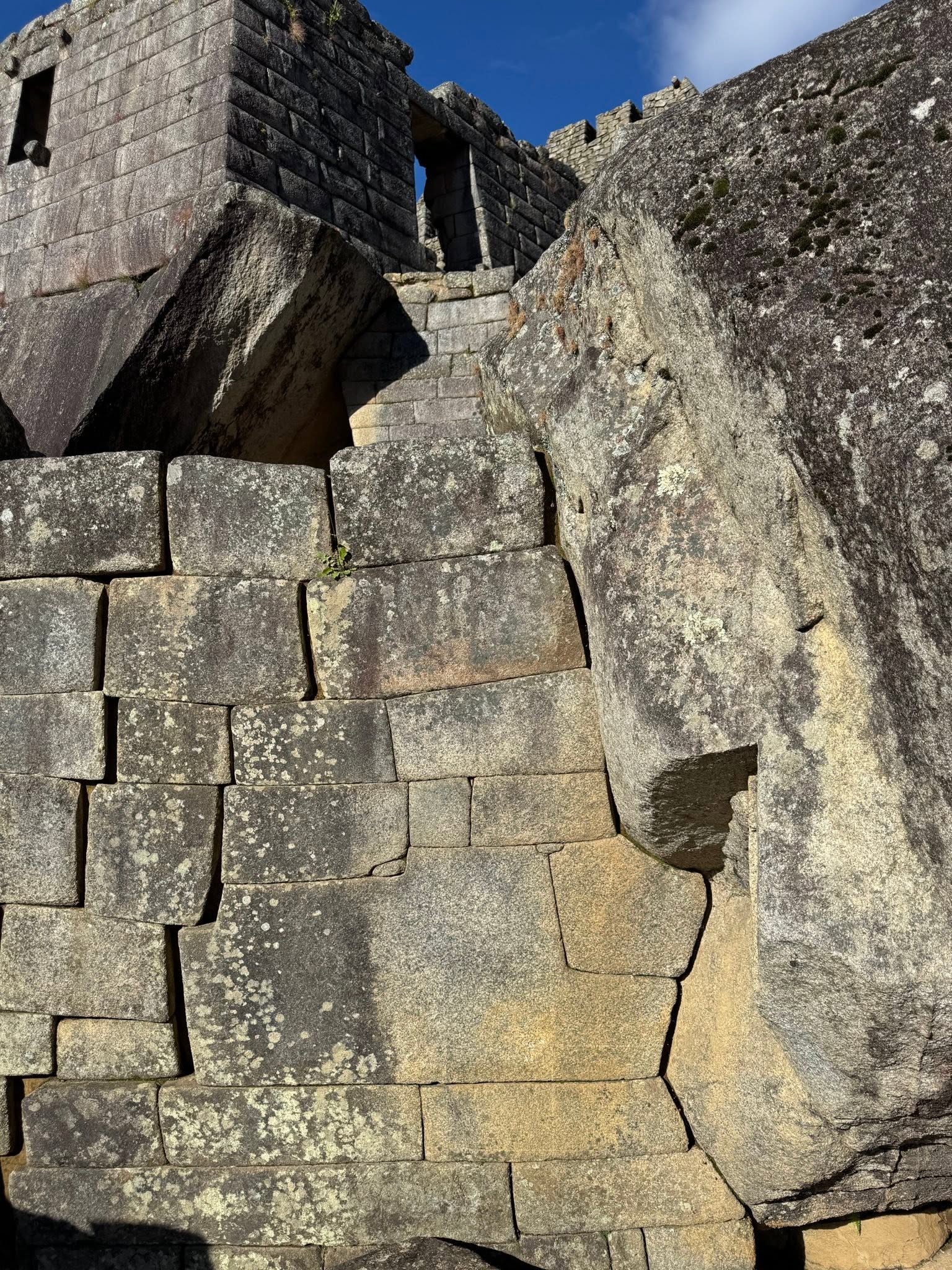
More evidence of the masterful use of precision stone cutting. They say it’s so perfect you can’t slip a piece of paper between the stones. I guess a few of these have shifted...
In the day, there would have been no room for paper (not that they used such a thing…no recorded history has yet been found) and any gaps would have been filled with another rock the perfect size and angle. Apparently the smallest rock in Machu Picchu is on this wall; right hand side, just below the fourth row from the top. If you are adept at rock gazing (kind of like cloud gazing but without the shifting shapes) you might see a sleeping face in the uncut rock on the right side. The tiniest rock is just off the tip of his nose.
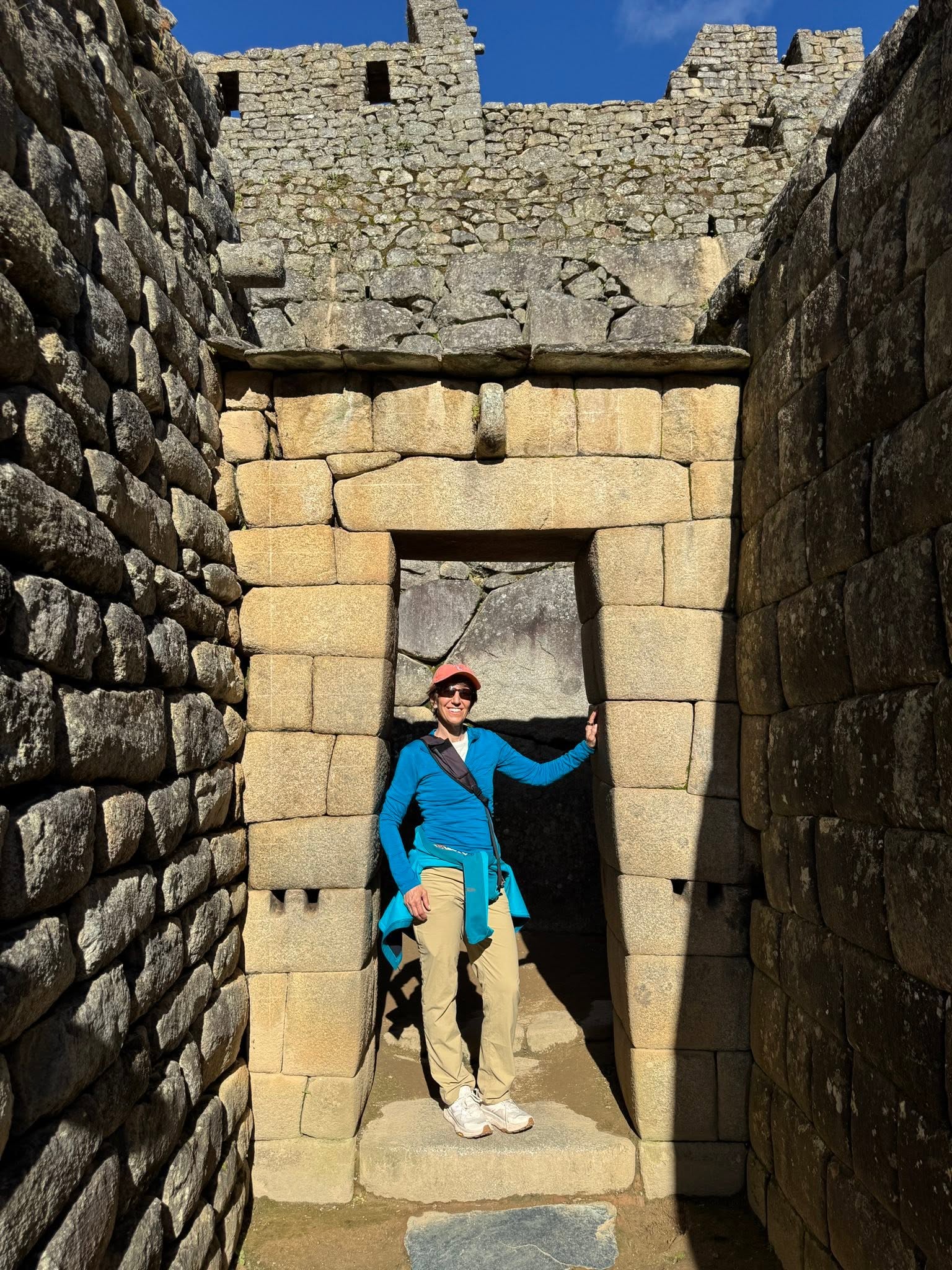
This doorway has evidence of an actual door! A few wooden poles would have been strapped together using rope and placed against the opening. Then, perpendicular to the door would have been another wooden pole, strapped in place through a set of two holes each side of the door. And then ANOTHER pole set vertically to hold it all in, sunk into a hole in the ground and then tied to the stone ring sticking out above the door opening. How’s that for secure!
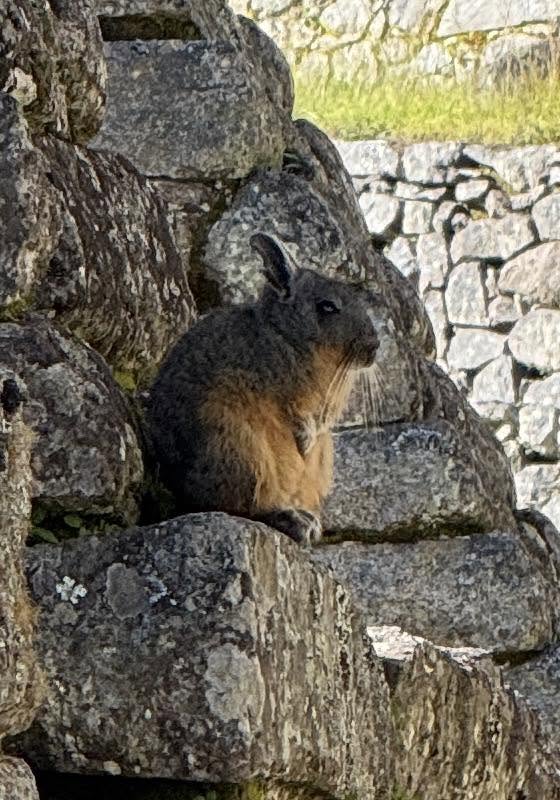
Chinchillas have taken up residence.
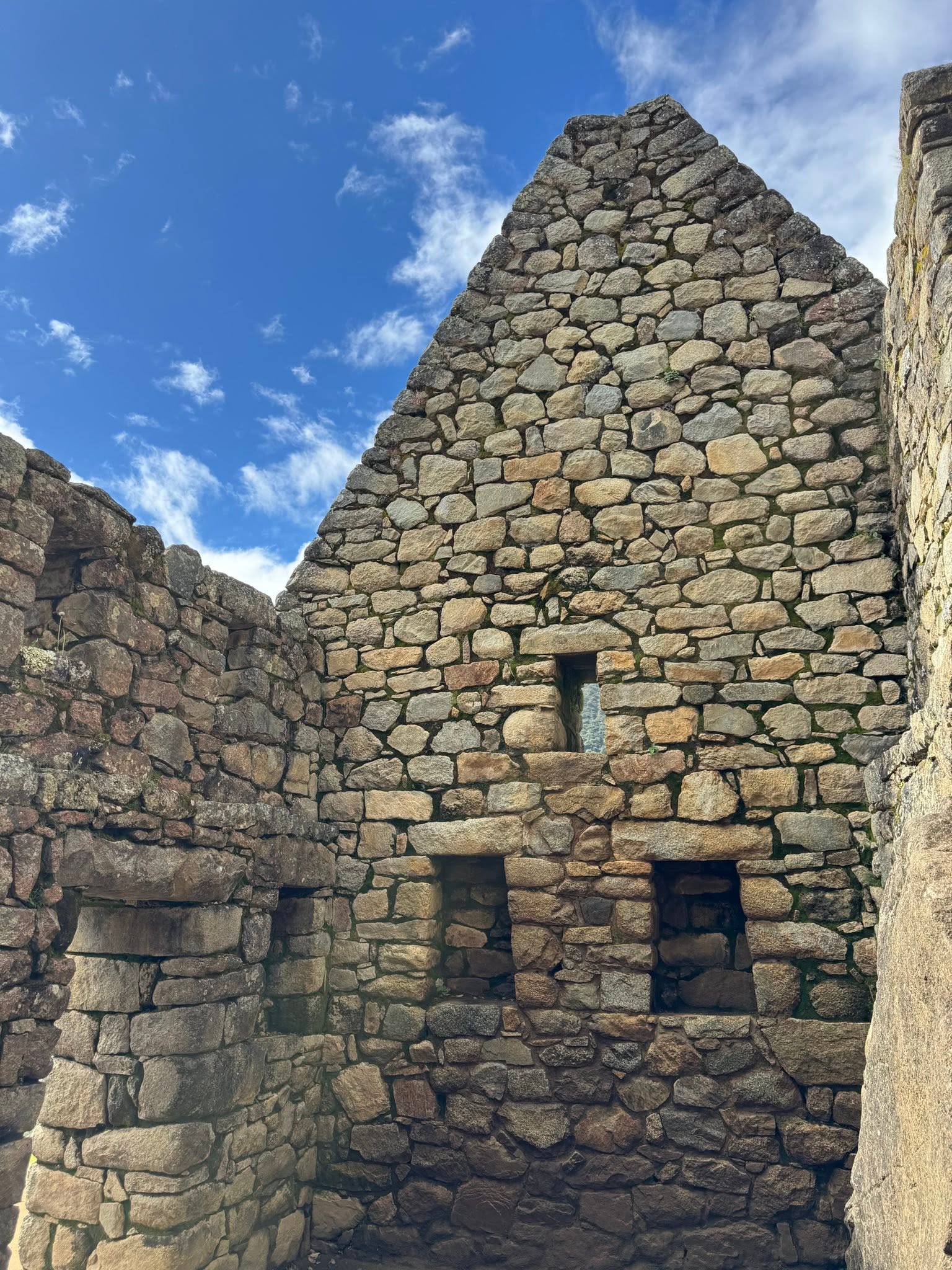
In the interior of one of the houses there were three niches. We assumed they were to display special idols or offerings, which is true. But they were also used for lamps; small containers filled with llama fat and twister cotton-like fibres as a wick. It would have been a pretty romantic kind of light in there!
A bit less romantic is another use for the niches. Sometimes the family kept the mummy of a forebear in there; unless elite, they were mummified in fetal position so they would have no trouble fitting in a niche. We heard an anecdote about a Spanish man who wanted to marry an Andean woman. She told her suitor that he would have to ask her grandfather’s permission. When he came to her home, she brought out her grandfather’s mummy…
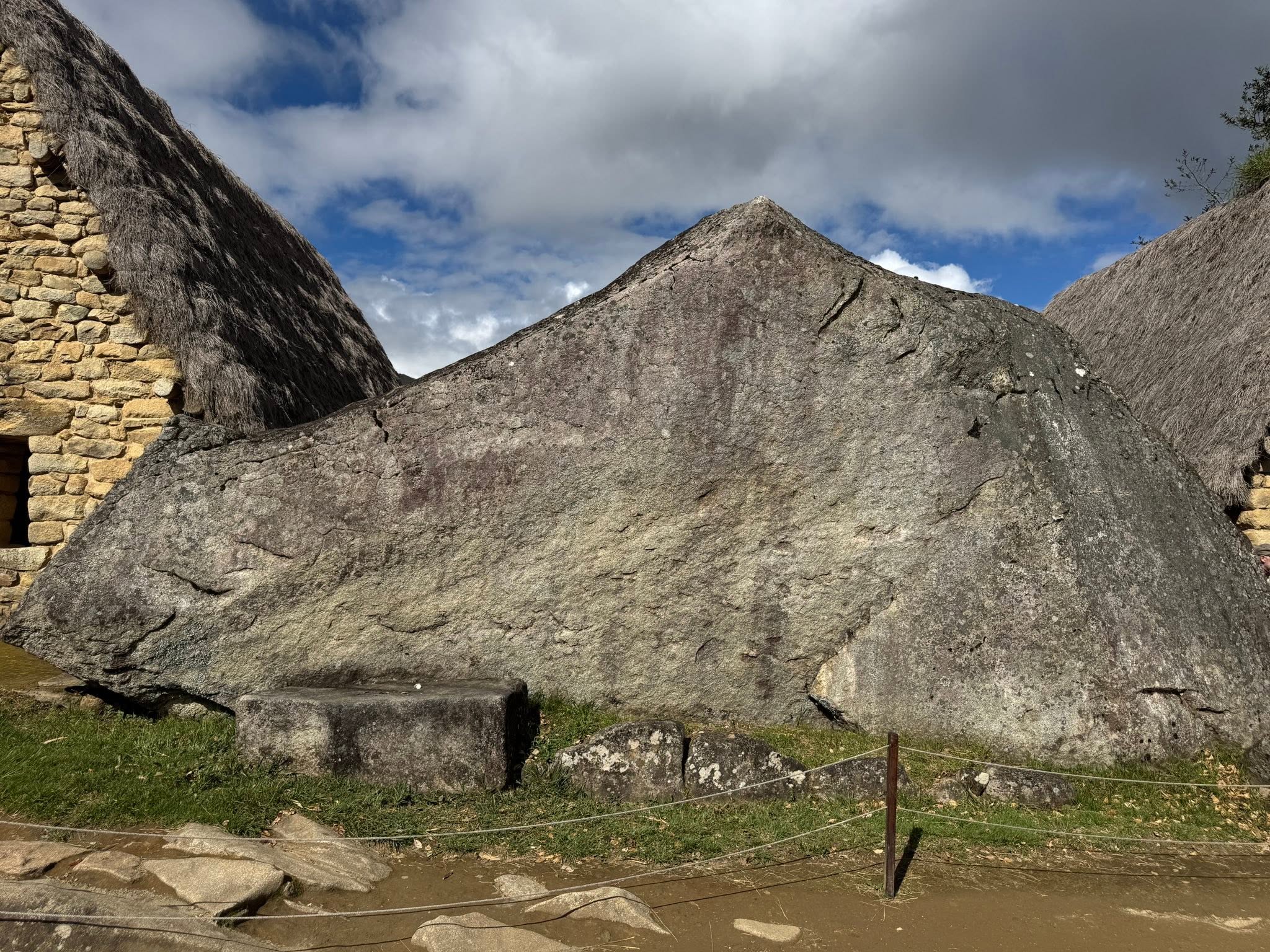
The Sacred Rock (descriptive name but not necessarily creative) is located in a plaza at the north end of Machu Picchu, flanked by a pair of ceremonial halls where people who witnessed religious ceremonies here would stay. The huge rock precisely mirrors the profile of Yanantin Mountain. Remember that to the Inca, mountains are sacred guardians, living beings with spiritual power so this sacred rock would itself have been spiritually powerful as it embodied the mountain deity. It was a place of offering, but like Pachamama at higher ground, it would have been personal and spiritual offerings like corn and coca leaves to honour the mountain spirits rather than living things. That was reserved for elsewhere.
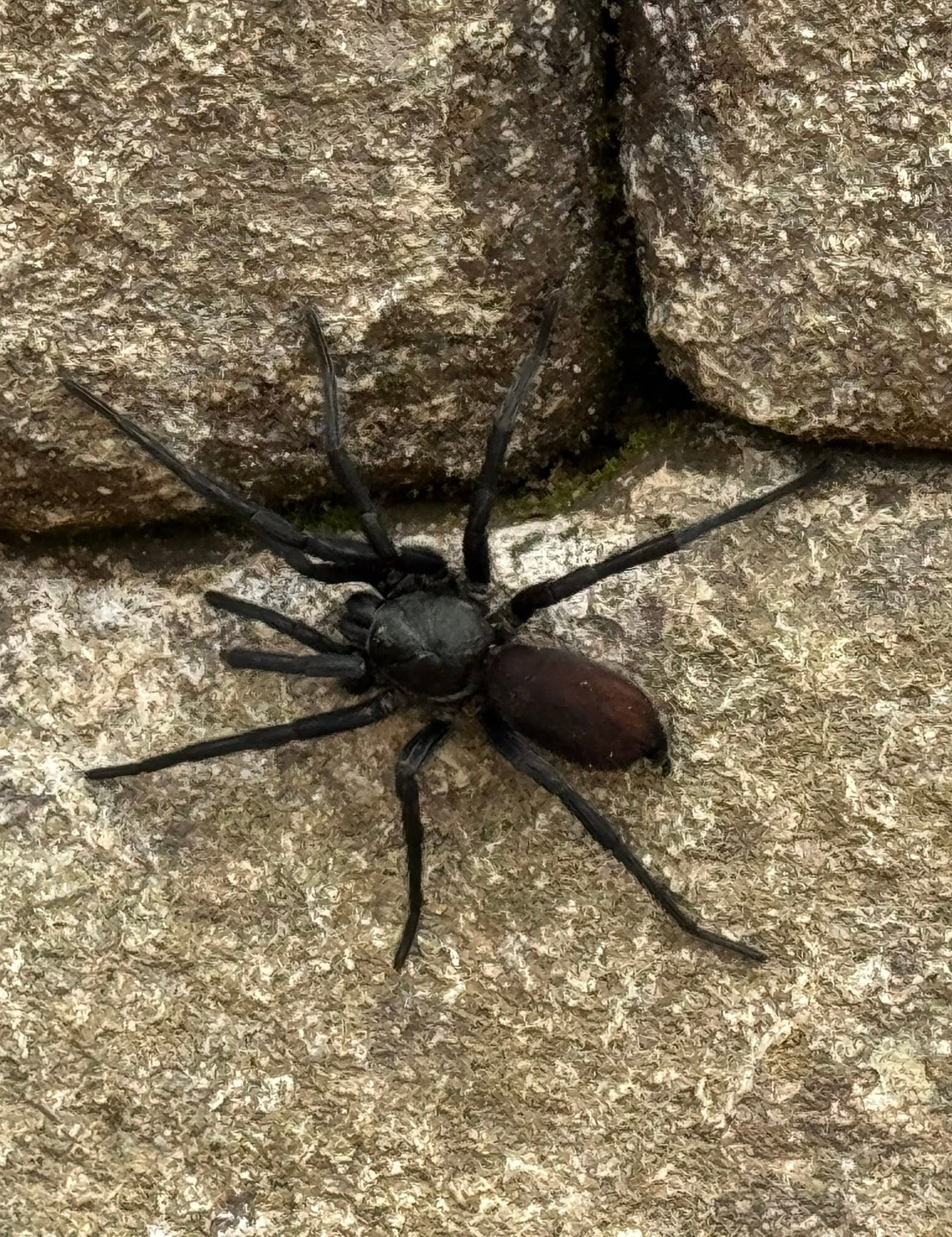
Not just chinchillas have staked a claim to the place, but tarantulas too! But they’d better watch out for the tarantula hawk wasp! Here’s a creepy quirk of the nature of parasitic relationships. The female tarantula hawk wasp hunts down a unsuspecting tarantula, stings it enough to immobilize it but not kill it. She drags it back to her nest, burrows in and lays an egg on its belly. When the larva hatches, it feeds on the innards of the tarantula but is careful to avoid the spider’s organ so as to keep it alive. Once mature enough to survive, it finishes off the tarantula by eating its organs. Depending on how you feel about spiders, you may or may not feel for the poor the tarantula who is alive and conscious throughout but is immobilized. What a way to go…
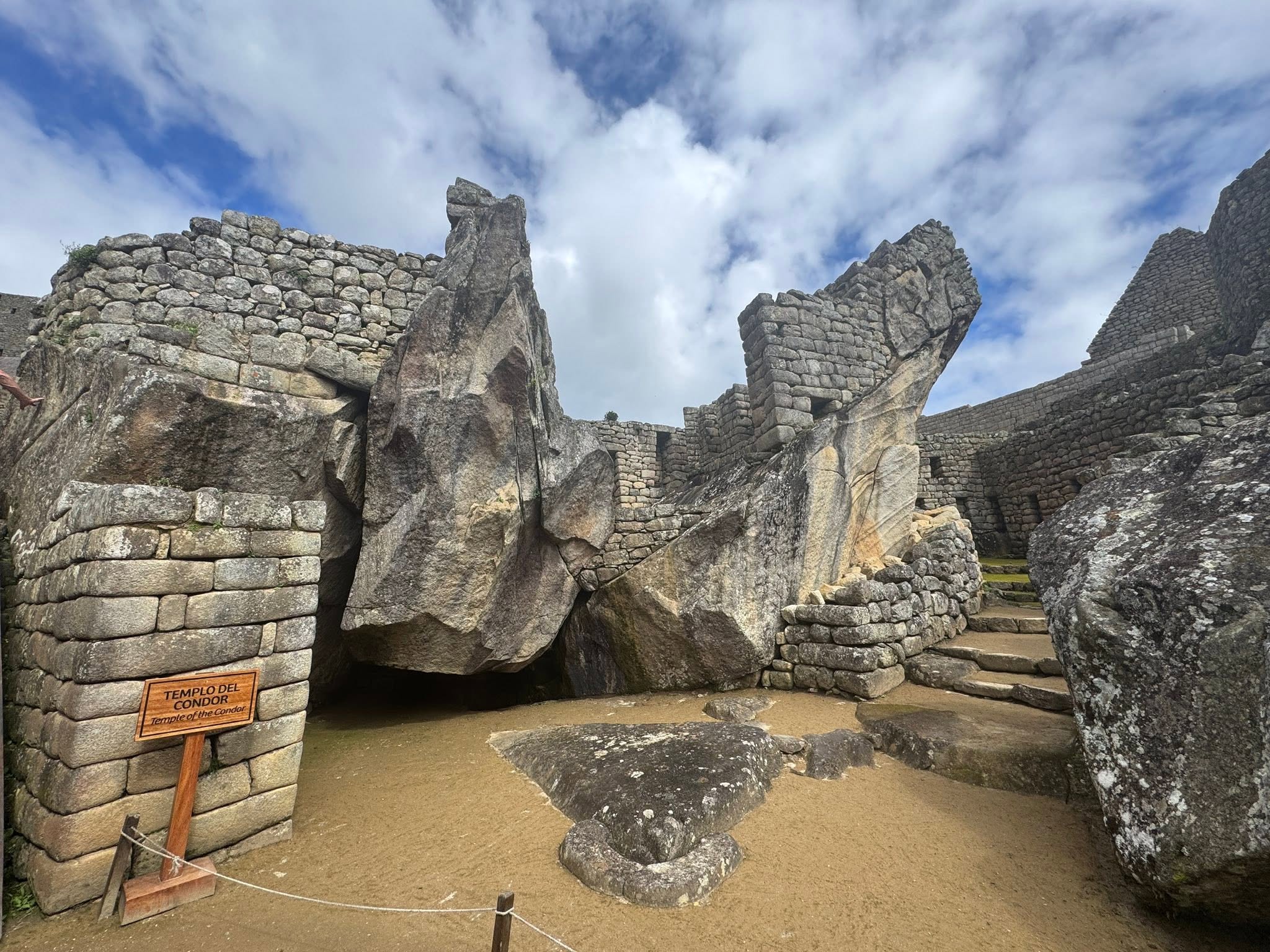
The Temple of the Condor, the revered creature associated with the upper world of the gods. Once again taking advantage of the mountain’s living rock, this temple of arranged around a natural cave. The rock at the entrance of the cave was carved to represent the wings of the condor. On the ground you can see a triangular shaped stone shaped to symbolize the condor’s head and beak and in front of that, the u-shaped rock for its crop (its food storage pouch where it can store three pounds of leftovers after gorging on a carcass). Sadly, when I gorge on ceviche here in Peru, I have no convenient place to store any leftovers…perhaps one day humans will evolve and gain this useful feature.
This (and the Temple of the Sun) would have been the spots for the more gory offerings to the gods. It’s possible they used the flat stone or the condor’s head and beak to sacrifice llamas. Black llamas were offerings to the sun. The priest would cut open the llama and “read its organs to predict the future. Then the remains would be sent to the sun via a sacred bonfire. It wasn’t about killing the llama. The llama was a reciprocal gift sent to the gods to maintain the cosmic relationship between humans and the gods who kept the sun rising and the crops growing.
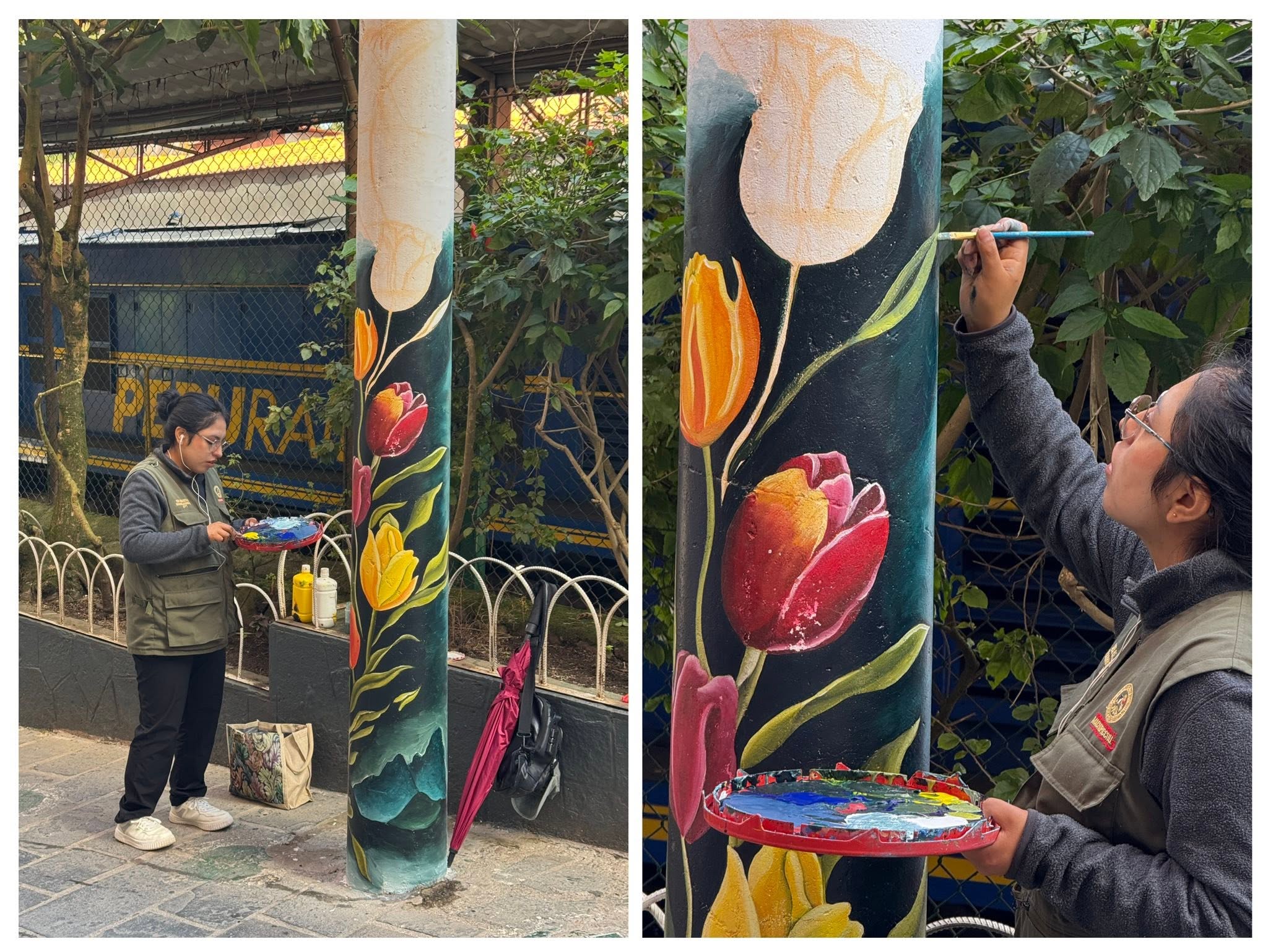
Back in Aguas Calientes for lunch and a bit of downtime before our trip back to Cusco after a week in the mountains. While it has some events and hot springs, Aguas Calientes is often a hitching post for people going to Machu Picchu. One lovely feature is the painted light poles and trash cans. We caught one of the artists in the act!
This was fun! On the train heading back to Ollantaytambo to catch our ride back to Cusco, the “devil” came dancing through the train cars. This is what’s know as the Saqra (naughty devil) dance dating back to the 19th century. The devil dresses up in a colourful, colonial era costume, wears an animal mask with big hair, deer horns and claw shaped gloves to “hook” Catholic devotees and lead them to temptation (nothing a simple as an apple on a tree here)! The mountains are actually a meaningful spot for this escapade, given that in the Andean belief, the mountains (apus) are sacred guardians so it’s extra points to tempt a devotee right under the nose of the apus!
This devil was a “she” and she didn’t have a hook, she just extended her hand to me. Little did she know I was not the right kind of devotee to tempt. But who passes up an opportunity to dance with the devil in the mountains?
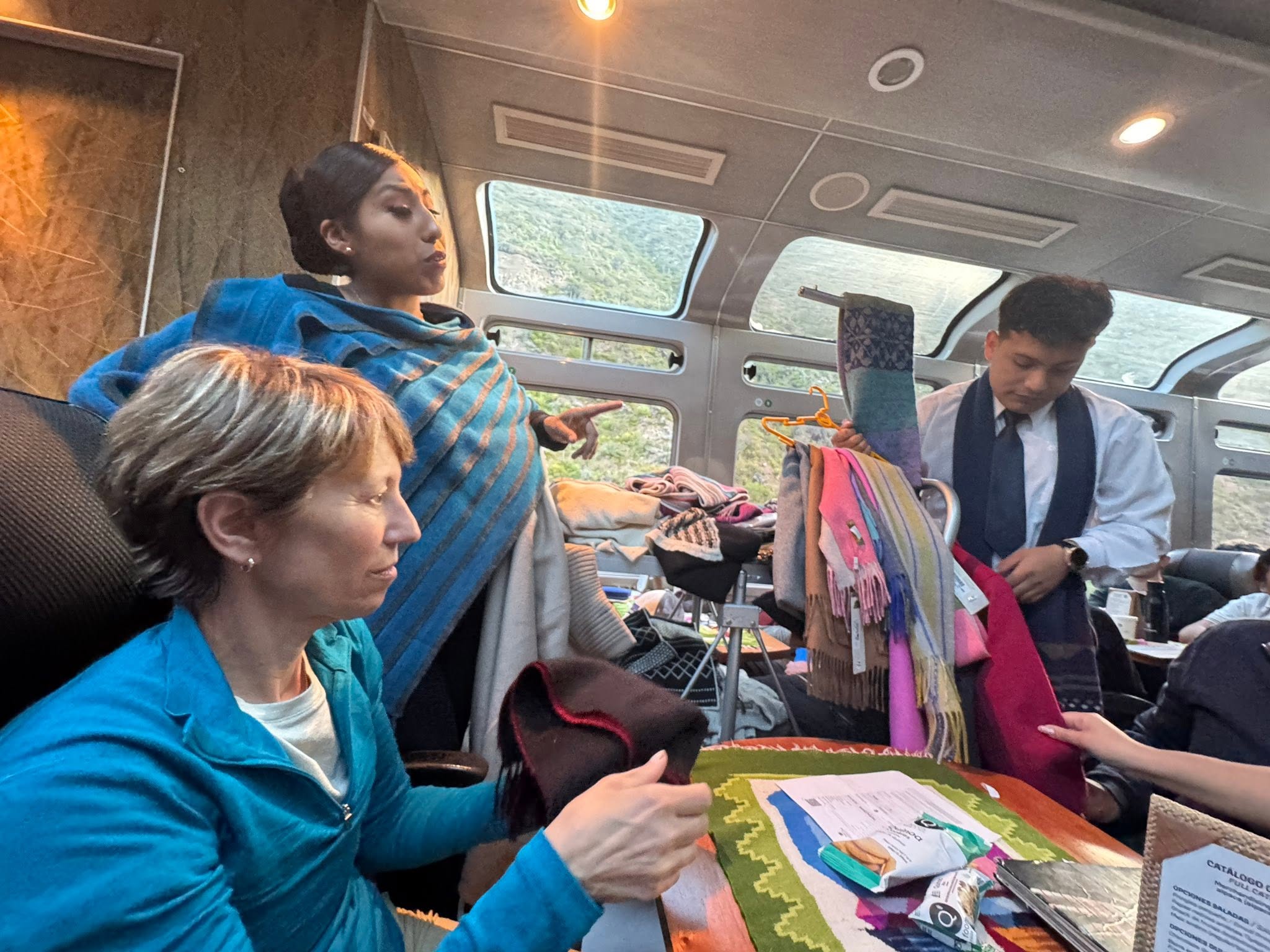
After recovering from the push and pull of the saqra, the fashion show started, followed by the cart full of all the baby alpaca items the models (aka the train stewards) paraded in. We were sitting with a Brazilian woman who told us she didn’t need to buy anything because she’d already bought two baby alpaca scarves and a poncho in a market. She showed us a scarf and asked if we thought she bought the real thing. Our guide, Juan, said “baby alpaca…MAYBE alpaca”. Nope, she was swindled. You say “maybe alpaca” with a Spanish accent and it can easily be heard as “baby alpaca”. She should have just held onto her belief that she got a good deal in the market and not asked the question that ended up bursting her bubble.